
I run a small backyard plant nursery and do on-site garden setups for dog owners, so this question comes up more often than you might think. I’ve walked into plenty of homes where a beautiful jasmine vine is climbing the fence while a curious dog is sniffing every leaf within reach. Over the years, I’ve seen both harmless encounters and a few cases that made owners nervous. The answer isn’t as simple as yes or no. It depends on the type of jasmine and how your dog interacts with it.
Not All “Jasmine” Is the Same Plant
The first thing I usually tell clients is that the word “jasmine” is used loosely. True jasmine, like Jasminum officinale, is generally considered non-toxic to dogs in small amounts. I’ve planted it in several dog-friendly gardens without any issues beyond a bit of leaf nibbling. Most dogs lose interest quickly because the taste isn’t appealing.
But then there are plants that carry the jasmine name without being true jasmine. Star jasmine, for example, is technically Trachelospermum jasminoides. In my experience, it’s still considered low risk, though I’ve seen mild stomach upset in one dog that chewed through a handful of leaves. Nothing serious, but enough to notice.
The confusion usually starts at the nursery. Labels aren’t always clear, and I’ve had customers bring me photos asking if their plant is safe. Sometimes they think they have jasmine, but it turns out to be something else entirely. That’s where the real risk begins.
Where Problems Actually Happen
The cases that concern me are when the plant isn’t true jasmine at all. I once visited a customer last summer who believed they had jasmine growing along their patio, but it turned out to be a different ornamental vine that caused their dog to vomit twice in one afternoon. If you’re unsure, I often suggest checking reliable sources, such as the ASPCA Animal Poison Control, to confirm plant safety before planting anything near pets.
Symptoms tend to show up within a few hours if something doesn’t agree with a dog. I’ve heard reports of drooling, mild diarrhea, and a general lack of energy. In one case, a small terrier refused food for nearly a day after chewing on the wrong plant. That got the owner’s attention fast.
Most of the time, though, the issue isn’t toxicity in the strict sense. It’s irritation. Dogs explore with their mouths, and even a non-toxic plant can upset their stomach if they eat enough of it. That’s a pattern I’ve seen repeatedly.
How Dogs Interact With Jasmine in Real Life
Some dogs ignore plants completely. Others treat the garden like a buffet. I had a customer last spring whose Labrador would chew through three or four leaves every morning during his walk around the yard. He never got sick, but the plant looked rough within weeks.
Puppies are the bigger concern. They chew everything. I’ve seen young dogs pull down vines, dig around roots, and even strip bark off nearby plants out of boredom. That’s where supervision matters more than the plant itself.
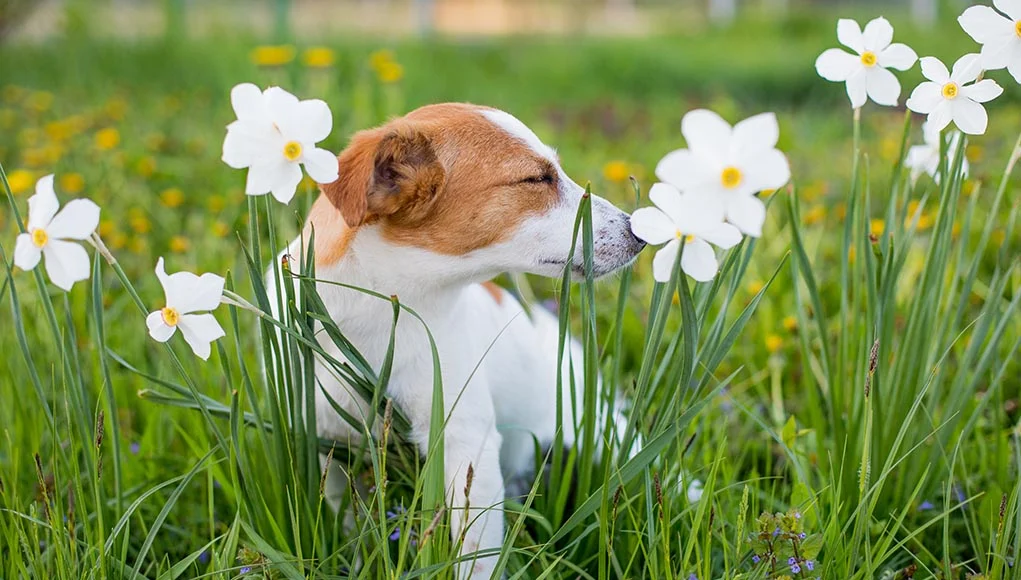
There’s also a difference between sniffing and eating. A dog brushing past jasmine or sniffing the flowers is not a problem. Eating a handful of leaves is where you might see mild symptoms, even if the plant itself is technically safe.
What I Recommend to Dog Owners
I don’t tell people to avoid jasmine completely. That would be overkill. Instead, I suggest being intentional about placement and plant choice. If you know your dog likes to chew, keep any climbing vines out of easy reach or train them away from that area early.
Here’s what I usually recommend based on what I’ve seen work:
Pick true jasmine varieties from a reputable nursery, not roadside sellers where labeling is unclear. Place the plant at least 2 to 3 feet above ground level if possible, especially for smaller dogs. Watch your dog for the first few days after introducing any new plant into the yard. If they ignore it, you’re likely fine.
Training helps more than people expect. I’ve seen owners teach a simple “leave it” command that solves most plant-chewing problems in less than a week. That’s a better long-term solution than removing every plant from the yard.
When You Should Actually Worry
If your dog eats a large amount of any plant and starts showing symptoms, don’t brush it off. Even non-toxic plants can cause enough irritation to require attention. I’ve seen a dog that ate nearly half a vine and ended up needing fluids due to dehydration from vomiting. That’s rare, but it happens.
Watch for changes in behavior. Lethargy, repeated vomiting, or refusal to drink water are signs you shouldn’t ignore. In those cases, I always tell people to call their vet rather than wait it out.
Quick action matters. Waiting too long can make a minor issue worse than it needs to be.
I still plant jasmine in dog-friendly spaces, but I do it with a bit more thought than I used to. Most of the time, it works out just fine. A little awareness goes a long way, and your dog doesn’t need a plant-free yard to stay safe.