
I work as a feline-focused veterinary assistant at a small-animal clinic, where I spend much of my day handling calls about plant exposure in cats. One question that comes up more often than people expect is whether hydrangeas are toxic to cats, especially for owners who keep decorative gardens or indoor flower arrangements.
I’ve seen enough similar cases over the years to notice a pattern in how cats react after chewing on common ornamental plants. The concern is usually not panic at first, but uncertainty about what symptoms to watch for.
What I’ve Noticed in Real Garden Exposure Cases
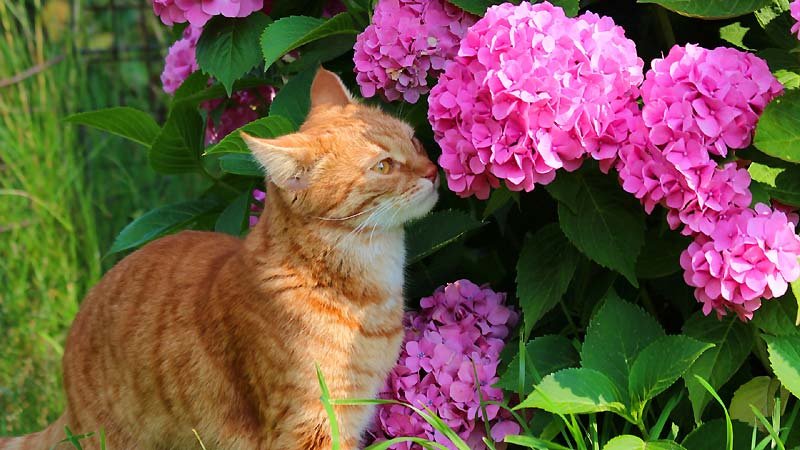
In my daily work, I deal with cats brought in after nibbling on garden plants during supervised or unsupervised outdoor time. Hydrangeas often grow along fences or in shaded corners, which makes them accessible to curious cats that like chewing leaves when they are bored. A customer last spring brought in a young tabby after noticing mild drooling and restlessness following a garden play session. The symptoms were not severe, but they were enough to raise concern and prompt a quick check-up.
From what I have seen, hydrangeas contain compounds that can affect cats if they ingest enough plant material, though reactions vary widely depending on the quantity and the cat’s sensitivity. Some cats show only minor digestive upset, while others may develop more noticeable signs, such as vomiting or lethargy. During routine consultations, I often explain that plant toxicity is not always about immediate danger but about how the body processes unfamiliar substances. Hydrangeas are not safe.
I once assisted a vet during a consultation where a cat had chewed on hydrangea leaves after sneaking into a neighbor’s garden. The owner initially thought it was harmless because the cat had eaten plants before without issues. In that case, the symptoms were mild and resolved within a day, but the uncertainty caused significant stress for the owner. Cases like this are common enough that I always recommend checking the exact plant involved rather than guessing based on past experience.
How Hydrangeas Affect Cats at Home
Hydrangeas contain a substance called cyanogenic glycoside, which can release small amounts of cyanide when metabolized. This is not something that turns every exposure into a severe emergency, but it does explain why cats can become unwell after chewing parts of the plant. In most home situations I’ve handled, symptoms appear within a few hours and usually include drooling, stomach discomfort, or reduced appetite. Severe reactions are less common but still possible depending on how much plant material was consumed.
When owners are unsure about plant safety, I often guide them toward reliable references before they rush to conclusions or ignore symptoms. For example, I frequently point people toward the ASPCA toxic and non-toxic plants list because it provides a clear breakdown of plant risks for cats and dogs in one place. Having a trusted reference helps reduce confusion, especially when different online sources give mixed information. It also helps owners make faster decisions when their cat shows unusual behavior after chewing something from the garden.
In indoor settings, hydrangeas are often displayed as cut flowers in vases, which can still attract curious cats. I have seen a few cases where cats knocked over arrangements and chewed on fallen petals or leaves, leading to mild gastrointestinal upset. One apartment case involved a cat that repeatedly returned to a vase over two days, showing that curiosity can override discomfort for some animals. These repeated exposures tend to increase symptoms slightly compared to a single incident.
Not every cat reacts the same way, which makes judging hydrangea exposure tricky without observation. Some cats barely show any symptoms at all, while others seem more sensitive even after a small bite. I usually tell owners that inconsistency is normal in plant ingestion cases and that closely monitoring behavior is more useful than predicting severity. Quick attention often prevents minor issues from becoming more uncomfortable for the cat.
What I Do When a Cat Eats Hydrangea
When a suspected hydrangea ingestion case comes into the clinic, my first step is always to gather details about timing and amount. I ask owners what part of the plant was eaten, how long ago it happened, and whether symptoms started immediately or gradually. This helps the vet decide whether simple monitoring is enough or if supportive care is needed. Clear information usually shortens the entire process.
Hydrangea cases are often managed with basic supportive care unless symptoms are severe, which is relatively rare in my experience. I’ve helped monitor cats that needed fluids for mild dehydration after repeated vomiting, but most recover with rest and observation. One memorable case involved a kitten that had chewed leaves during a short, unsupervised moment in a backyard. The recovery was smooth, but the owner became much more cautious afterward.
I also advise owners to remove any remaining plant access immediately, especially if the cat shows a strong interest in chewing foliage. Preventing repeated exposure is more important than most people realize because it reduces the risk of symptom escalation. In multi-pet households, I sometimes see one curious cat triggering others to explore the same plant, which complicates things further. Simple environmental changes usually solve this quickly.
Hydrangeas are not among the most dangerous plants I deal with, but they still require attention because even mild reactions can stress both the cat and the owner. I have seen enough cases of repeated exposure to know that prevention is always easier than treatment afterward. A few small adjustments in plant placement can make a noticeable difference in reducing risk at home. Quiet prevention works best here.
Safer Choices for Cat-Friendly Homes
Many of the owners I speak with decide to replace hydrangeas altogether once they understand the potential risk, especially if their cats are naturally curious or young. I usually suggest focusing on non-toxic greenery that attracts less chewing. Some households switch to artificial plants after repeated incidents, while others redesign garden sections to keep sensitive plants out of reach. Each setup depends on how active the cat is indoors and outdoors.
Indoor plant safety has improved significantly when owners start thinking about placement rather than just removal. Hanging planters, elevated shelves, and restricted garden zones can all reduce access without changing the entire home environment. One customer last year told me they redesigned their balcony after a single incident involving a hydrangea and had no further plant-related issues afterward. Small adjustments often prevent repeat clinic visits.
I still meet many cat owners who assume all decorative plants are harmless until something happens. That assumption usually changes quickly after their first exposure scare. Once they understand how unpredictable plant reactions can be, they tend to be more careful with selections. Even common garden plants deserve a second look before being brought into a cat-friendly space.
Living with cats means balancing aesthetics with safety in ways that are not always obvious at first. Hydrangeas may look harmless in a vase or garden, but their effects on cats can vary enough to warrant caution. In my experience, awareness and simple prevention steps reduce almost all unnecessary incidents.