
I run a small pet boarding setup out of my home, and over the years, I have seen all kinds of feeding shortcuts, especially from busy owners trying to simplify routines. One of the most common questions I hear is about mixing or swapping cat food with dog food. It usually starts with something practical, like running out of cat kibble late at night. I get why people ask, but the answer is not as simple as yes or no.
Why Cats and Dogs Need Different Food
Cats are different—something I see every day, feeding them alongside dogs. Cats are obligate carnivores and depend on nutrients found only in animal tissue, while dogs can eat a more varied diet.
Dry dog food lacks sufficient taurine, which cats need to keep their hearts and eyes working properly. I once had a client bring in a cat that had been eating mostly dog kibble for a few weeks, and the animal looked dull and sluggish compared to its usual behavior. That kind of change does not happen overnight, but it builds quietly.
Protein matters. Most dry dog foods have 18–25% protein; cat food usually exceeds 30%. That gap is significant when fed daily over the course of weeks.
What Happens If Your Cat Eats Dog Food Occasionally
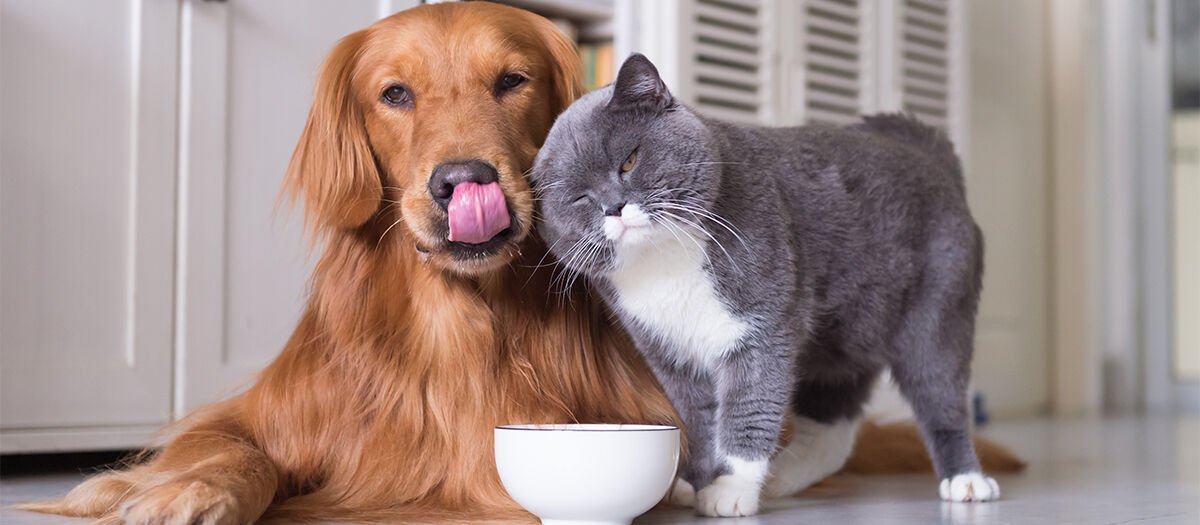
Cats sometimes eat dog food when the two species share space. Occasional small amounts are generally tolerated, as I’ve observed during boarding, but this incidental eating is different from regular meals.
If you are in a pinch, like running out of cat food late at night, giving a small portion of dog kibble for one meal is usually fine. I have advised a few owners to do exactly that rather than leave their cat hungry. For those who want more feeding guidance or product comparisons, I sometimes point them toward resources like “Can I Feed My Cat Dry Dog Food?” to help them make better long-term choices.
The issue starts when it becomes a habit. Feeding dog food for several days in a row can lead to nutrient gaps. I have seen a pattern where owners start with one emergency meal, then stretch it into a weekend, and suddenly it becomes a routine.
Short-Term vs Long-Term Feeding Risks
In the short term, your cat might seem fine. They will eat, they will move around, and nothing dramatic will happen. That is why many people assume it is safe. It looks harmless.
Long-term is where the real trouble begins. Taurine deficiency alone can lead to serious heart issues, and I have had to turn away a boarding request once because a cat was already showing signs of poor health linked to diet. That owner thought dry dog food was “close enough.” It was not.
There is also the issue of fat content and vitamins. Dog food formulas often lack key nutrients, such as vitamin A, in the forms cats need. These are not small details. They are the difference between maintaining health and slowly losing it.
Why Some Cats Seem to Prefer Dog Food
This part surprises people. I have surprised people with this part. In the past year, I actively tried to steal dog food. This happened even when their own bowl was full. It is not always about nutrition. Sometimes it is just curiosity or texture. Dog kibble is often larger and crunchier. Some cats like that. Others are drawn to the smell, especially if the dog food has a stronger flavoring. I remember one stubborn orange tabby that ignored premium cat food but would sneak into the dog’s bowl whenever it got the chance.
Still, preference does not mean suitability. Cats do not always choose what is best for them. Anyone who has seen a cat chew on plastic or chase dust knows that.
Better Alternatives If You Run Out of Cat Food
I always advise clients to keep a backup plan. Running out is common, especially in busy homes. There are safer options than dog kibble.
In my own setup, I keep a few simple foods that work in emergencies:
These aren’t perfect long-term, but are closer to a cat’s needs. I’ve used plain chicken countless times during late-night check-ins when stores are closed.
Portion control is crucial. A few small servings over a day or two are fine, but longer use brings the same problems as dog food.
How I Manage Mixed Pet Feeding at Home
Feeding cats and dogs together caused problems in my boarding setup. Just one distracted moment, and a cat would eat from the dog’s bowl. I changed my system after several messy incidents.
I now feed them in separate areas, sometimes even different rooms. It sounds like extra work, but it saves a lot of trouble. Over the last two years, this simple change has prevented countless mix-ups.
Consistency matters. Cats adapt to their food when it’s always served at the same time and place. Once they settle, they’re less interested in dog food.
If you have both pets at home, keeping their feeding schedules slightly offset can also help. I have seen that reducing food stealing is more effective than any trick toy or barrier.
Years of observing feeding habits show shortcuts can become real problems. A cat eating a few pieces of dog food is no big deal. Making it a habit is different. Separate, consistent meals are the simplest solution.