
In my daily work at a dog boarding and training facility, I see the true nature of Cane Corsos—dogs often misunderstood as mean simply because of their imposing presence. Over the years, from untrained puppies to adult dogs with solid discipline, I’ve learned not to fear or handle them casually but to understand what drives their reputation and to approach them with attentiveness and structure.
Why People Think Cane Corsos Are Mean
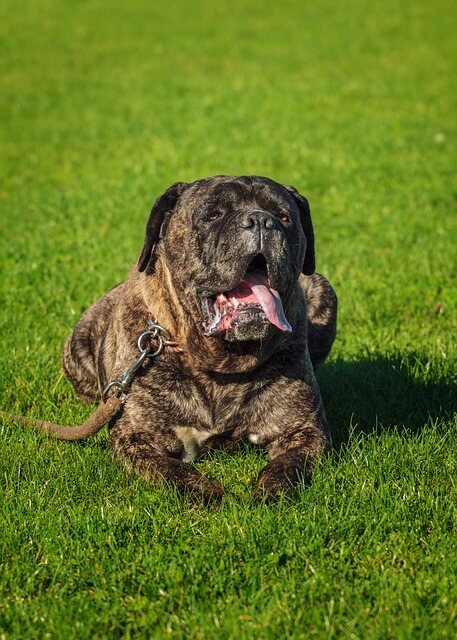
Most of the fear comes from appearance and reputation. A full-grown Cane Corso can easily weigh over 90 pounds, and their posture alone makes them look serious even when they’re calm. I’ve had new clients hesitate at the gate when they saw one sitting quietly.
Cane Corsos are reserved, especially with strangers, and are often misread as aggressive, but they are just assessing new situations before reacting.
Their protective instincts remain strong and need proper guidance to avoid intimidating behavior.
So, when people say Cane Corsos are mean, it’s usually a reaction to their strong, controlled personality rather than any real aggression.
What I Actually See in Their Behavior
Hands-on experience shows Cane Corsos don’t fit their harsh stereotype. Calm in routine and stable environments, they react when truly necessary, not out of default aggression.
I’ve had one male Corso stay with me for about ten days, and during that time, he barely made a sound, yet he watched every movement around him with focus that made it clear he was always aware of his surroundings, even when resting.
Some owners ask me for more reading before deciding on a breed, and I sometimes point them toward our cane corso dogs so they can see different viewpoints and understand where the breed’s reputation comes from.
In my experience, Cane Corsos are remarkably consistent and predictable. Learning their signals makes handling them straightforward.
How Training Changes Everything
The biggest influence on any Cane Corso is training. Structure transforms them from unpredictable to reliable companions, as I’ve observed at both extremes.
One young Corso arrived with no boundaries. He pulled hard, ignored commands, and reacted to each new dog. After a few days of consistent handling, clear correction, and routine, his behavior improved.
They respond to firm guidance—not harsh, just clear. If a handler is unsure or inconsistent, the dog fills that gap—and that’s when problems start.
It takes effort. These are not low-maintenance dogs, and skipping training shows in their behavior quickly.
Where Problems Usually Start
Most issues I’ve seen come from the environment, not the dog itself. Lack of socialization is a big one. A dog that has never been around other dogs or people will react differently from one raised with regular exposure to them.
Inconsistent handling confuses a dog, leading to tension or defensive reactions.
Energy levels matter too. These dogs need physical and mental engagement. I aim for at least an hour of structured activity when I have one in my care, because boredom can quickly turn into unwanted behavior.
Keep in mind, most behavioral problems with Cane Corsos are gradual—address issues early to prevent escalation.
How I Handle Them Safely and Calmly
I keep my approach steady. No sudden movements, no raised voice unless necessary. Cane Corsos respond better to calm control than emotional reactions.
Space matters. I don’t crowd them, especially early on. Giving time to observe and settle makes a big difference in their later response.
I also set clear boundaries early. Simple commands, consistent routines, and predictable interactions help them understand what is expected. That reduces tension on both sides.
Consistency and clarity matter most. When I handle Cane Corsos with respect, structure, and steady leadership, they in turn display self-control and balanced behavior.
Cane Corsos are not mean—their behavior mirrors their environment and handling. With focused effort, clear structure, and steady guidance, they show remarkable steadiness, proving that a dog’s reputation is often shaped more by people than breed.