
Many cat owners use garden chemicals to keep outdoor spaces clean and weed-free, but concerns about pet safety often arise. One of the most widely used herbicides is Roundup, which contains active ingredients designed to kill unwanted plants. Because cats spend time walking, sniffing, and grooming, even small exposures can raise questions. Understanding the risks helps you better protect your pet.
What Roundup Is and How It Works
Roundup is a herbicide commonly used to kill weeds in gardens, driveways, and fields. Its main active ingredient is glyphosate, which targets plant enzymes needed for growth. Once applied, it is absorbed through leaves and spreads through the plant system. This leads to the plant dying over a short period of time.
It is popular because it works quickly and on many types of weeds. People often spray it on paths, lawns, or fence lines. While designed for plants, animals can still encounter it, raising safety concerns.
Cats are especially vulnerable because of their grooming habits. If they walk through treated areas and later lick their paws, they may ingest residue. Even small amounts may cause irritation or digestive upset.
Chemicals linger longer than expected. Be cautious outdoors.
Risks of Exposure and Safety Concerns for Cats
Many pet owners ask directly about safety issues, especially when using herbicides near animals. If you want a detailed discussion on real cases and expert advice, this resource explains whether Roundup is safe for cats and what to do after possible exposure. Reading practical examples helps you understand how risk can vary depending on timing and context.
Roundup is considered low-toxic to mammals when used correctly, but that does not mean it is completely safe for cats. The main risk comes from direct contact with wet spray or freshly treated surfaces. Cats walking through these areas may carry chemicals on their fur or paws.
Symptoms of exposure usually include mild effects such as drooling, vomiting, or slight skin irritation. In rare instances, if a large amount is ingested, more severe reactions may occur. Most minor cases resolve quickly after cleaning, but prompt attention is important for higher exposures.
Outdoor use increases uncertainty. Wind can spread droplets.
Young cats and kittens may be more sensitive because their bodies are smaller and they groom more frequently. This increases the risk of indirect chemical exposure. Even trace exposure can matter over time. Prevention is always safer.
How Cats Get Exposed in Real Life
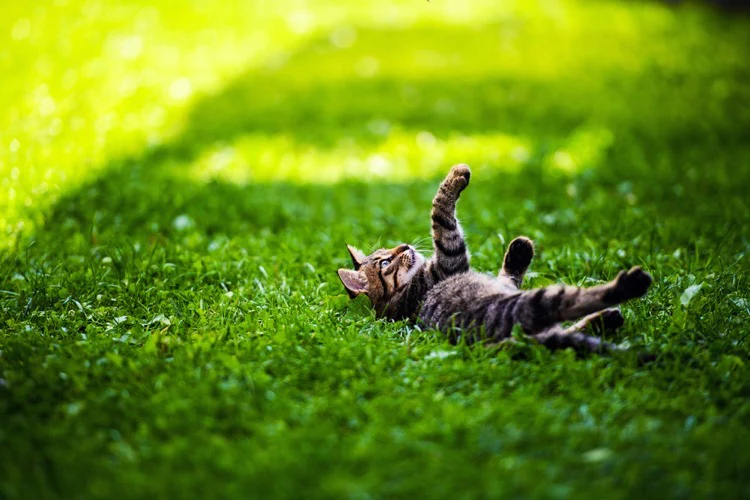
Exposure often happens in simple, everyday situations. A cat may walk across a freshly sprayed lawn or garden bed without the owner realizing it. The chemical sticks to paws and fur easily. Later grooming leads to ingestion.
Another common risk is indirect contact. Wet shoes, tools, or gardening gloves can transfer residue to indoor areas. Cats walking on these surfaces may still be exposed. This is why storage and cleanup matter.
Sprayed weeds near fences or patios are another concern. Cats often explore edges and hidden areas. These are places where herbicide use is common. Awareness of these zones helps reduce risk.
Exposure does not always look obvious. Small contact can matter.
Weather conditions also affect safety. Rain shortly after spraying may spread chemicals to unintended areas, while dry wind can move droplets during application, increasing the chance that nearby surfaces become contaminated without anyone noticing.
Safe Practices When Using Herbicides Around Pets
One of the best ways to protect cats is to time it. Keep pets indoors during and after spraying until the product has fully dried. Many labels recommend waiting at least a few hours, but longer is safer. Dry surfaces reduce risk significantly.
Rinsing treated areas lightly with water after drying can sometimes help reduce residue. However, this depends on the product instructions. Always read the label carefully before applying anything. Following directions matters.
Storage is also important. Keep herbicides in sealed containers and away from places where pets roam. Accidental spills can lead to unexpected exposure. Prevention begins with careful handling.
Here are simple safety steps:
– Keep cats indoors during spraying
– Avoid spraying on windy days
– Wash tools after use
– Store chemicals securely
– Check labels for pet warnings
Small habits reduce big risks.
What to Do If Your Cat Is Exposed
If you suspect your cat has come into contact with Roundup, act quickly. Start by washing their paws or fur with mild soap and warm water. This helps remove any residue before it is ingested. Speed is important here.
Watch for symptoms such as drooling, vomiting, or unusual behavior. These signs may appear shortly after exposure. Even mild changes should be taken seriously. Early attention helps prevent complications.
Contact a veterinarian if symptoms persist or if a large area of exposure is suspected. Bring the product label if possible, as it helps with treatment decisions. Professional guidance ensures proper care. Do not delay if unsure.
Most mild exposures recover quickly with simple cleaning and observation, but more serious cases require medical attention, especially if ingestion is suspected or symptoms worsen over time despite initial home care efforts.
To keep cats safe around garden chemicals, stay alert, develop good habits, and take responsibility for simple preventive steps to ensure your pet’s outdoor space is hazard-free. Start protecting your cat today by learning how exposure occurs and implementing these measures.