
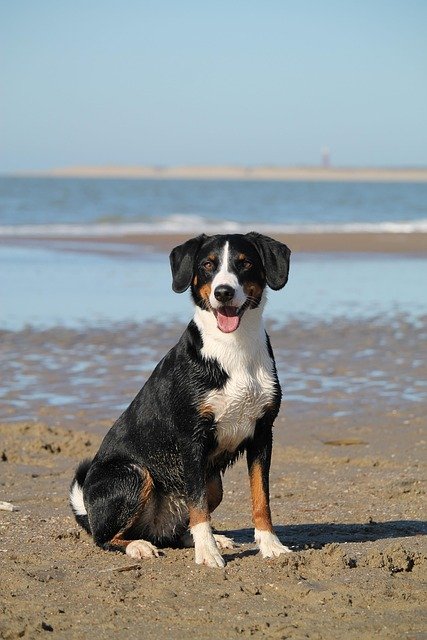
Dogs often show clear physical changes when temperatures rise, and faster breathing is one of the most noticeable signs. Many owners worry when they see their dog panting heavily, especially during summer.
This reaction is usually normal, but it can sometimes signal danger. Understanding why dogs breathe faster when it’s hot helps you respond appropriately.
How Dogs Regulate Their Body Temperature
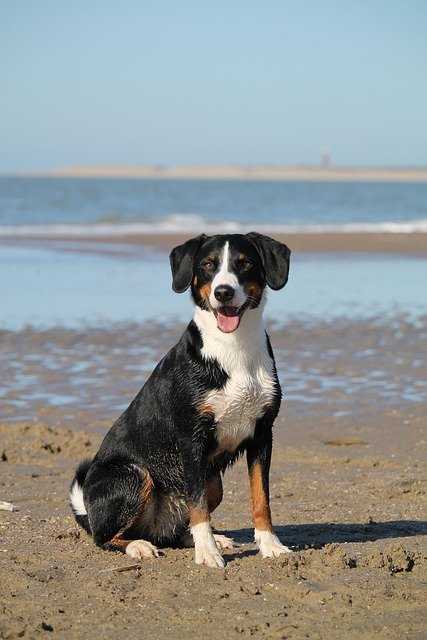
Dogs do not sweat like humans. Instead, they rely on panting to cool their bodies. When a dog pants, moisture evaporates from the tongue and the airways, helping reduce body temperature. This process works quickly.
A resting dog breathes around 15 to 30 times per minute, but this rate often rises well above 100 breaths per minute during heavy panting in hot weather. This is their main cooling system at work.
Dogs also have sweat glands in their paw pads, but these play a small role in cooling. Panting is their primary method, making breathing changes more noticeable in warm conditions.
Humidity can worsen the situation. Moist air slows evaporation, making it more difficult for dogs to cool off. As a result, panting may intensify. Owners should remain attentive on humid days.
When Fast Breathing Is Normal and When It Is Not
Fast breathing is usually normal when a dog is hot, excited, or active. After activity in high temperatures, most dogs will pant heavily for several minutes to bring their body temperature back to normal. This is expected.
If you want a deeper explanation of causes and warning signs, this guide on do dogs breathe faster when hot explains when panting is harmless and when it may signal a health issue.
Sometimes rapid panting is abnormal, signaling a possible health or environmental issue even when conditions appear safe.
Look at the context. If your dog is resting indoors with a fan or air conditioning and still breathing very fast, something may be wrong. Normal panting should slow down within 10 to 20 minutes after cooling. If it does not, take action.
Short periods of rapid breathing are typically normal, while extended episodes may require attention.
Signs of Overheating and Heatstroke
Overheating can turn dangerous quickly. Dogs can develop heatstroke quickly, especially in hot, enclosed spaces like cars. Even a 10-minute stay in a parked car can be life-threatening. This risk is real.
An early sign of trouble is excessive panting that does not slow down. The dog may also drool heavily or appear restless. These signs show the body is struggling to cool itself, and immediate attention is necessary.
As the condition worsens, other symptoms may appear. These include vomiting, diarrhea, or confusion. The dog may stumble or collapse. This stage is critical.
Here are some warning signs of heatstroke:
– Rapid breathing that continues for more than 20 minutes.
– Bright red or pale gums.
– Weakness or inability to stand.
– Thick saliva or drooling.
– Body temperature above 104°F.
Heatstroke is an emergency requiring immediate action. Begin cooling your dog and seek veterinary care right away. Delayed response can cause organ damage, so acting quickly is crucial.
Factors That Increase the Risk of Fast Breathing
Some dogs are more sensitive to heat than others. Brachycephalic breeds like Bulldogs and Pugs have shorter airways, making panting less effective and causing them to breathe rapidly even in mild heat. These dogs struggle more in hot weather and may develop breathing problems faster. They need extra care.
Age also plays a role. Puppies and older dogs have less ability to regulate body temperature, so they are at higher risk of rapid breathing or overheating. For example, a 10-year-old dog may tire faster than a younger one, which can affect breathing patterns during heat.
Weight is another factor. Overweight dogs tend to overheat more quickly because fat acts as insulation. This makes it harder for heat to escape. A proper diet helps reduce this risk.
Thick coats can trap heat. Dogs with double coats, such as Huskies, may struggle in hot climates if not properly managed because their fur insulates and makes it harder for heat to escape. Regular grooming helps reduce this problem and keeps their cooling system effective.
Exercise level matters too. Running or playing in high temperatures increases body heat quickly, causing the dog to breathe even faster as panting is their main way to cool down. Overexertion in the heat increases the likelihood of rapid breathing.
How to Help Your Dog Stay Cool
Keeping your dog cool during hot weather is essential. Provide fresh water at all times, as hydration supports cooling.
Shade is important. If your dog spends time outdoors, make sure there is a shaded area. Timing dog exercise can reduce heat risks—avoid activity during the hottest hours, between 12 PM and 4 PM. Early morning or evening walks are safer. Timing makes a difference.
Cooling mats or damp towels can also help. Place them where your dog rests. These tools gradually lower body temperature. Dogs often enjoy them.
Never leave your dog in a parked car. Even with windows slightly open, temperatures inside can rise dangerously. In some cases, rapid breathing warrants medical attention. If your dog does not improve after cooling down, contact a veterinarian.
Persistent panting may signal a more serious health issue, so do not delay. After cooling, serious symptoms accompanied by rapid breathing may indicate heatstroke or a medical emergency requiring immediate care. The signs often point to heatstroke or another medical condition. Immediate care is required.
Dogs with known health problems should be monitored closely. Conditions like heart disease. Trust your instincts as an owner. If something feels wrong, it is better to seek help early than risk your dog’s health. Quick action often results in better outcomes. Better to seek help early rather than risk your dog’s health. Quick action often leads to better outcomes.
Understanding why dogs breathe faster in hot conditions helps you respond calmly and effectively. By recognizing normal panting and spotting warning signs early, you can protect your dog from serious harm and keep them comfortable even during the hottest days.