
As a licensed veterinarian practicing in Texas for over a decade, I’ve seen a wide range of feline behaviors and the various solutions owners try to protect their homes—or their own skin—from cat scratches.
One solution that often comes up in my clinic is claw caps. Many cat owners ask me if these little plastic nail covers are safe, and based on my experience, the answer is nuanced.
Understanding Claw Caps
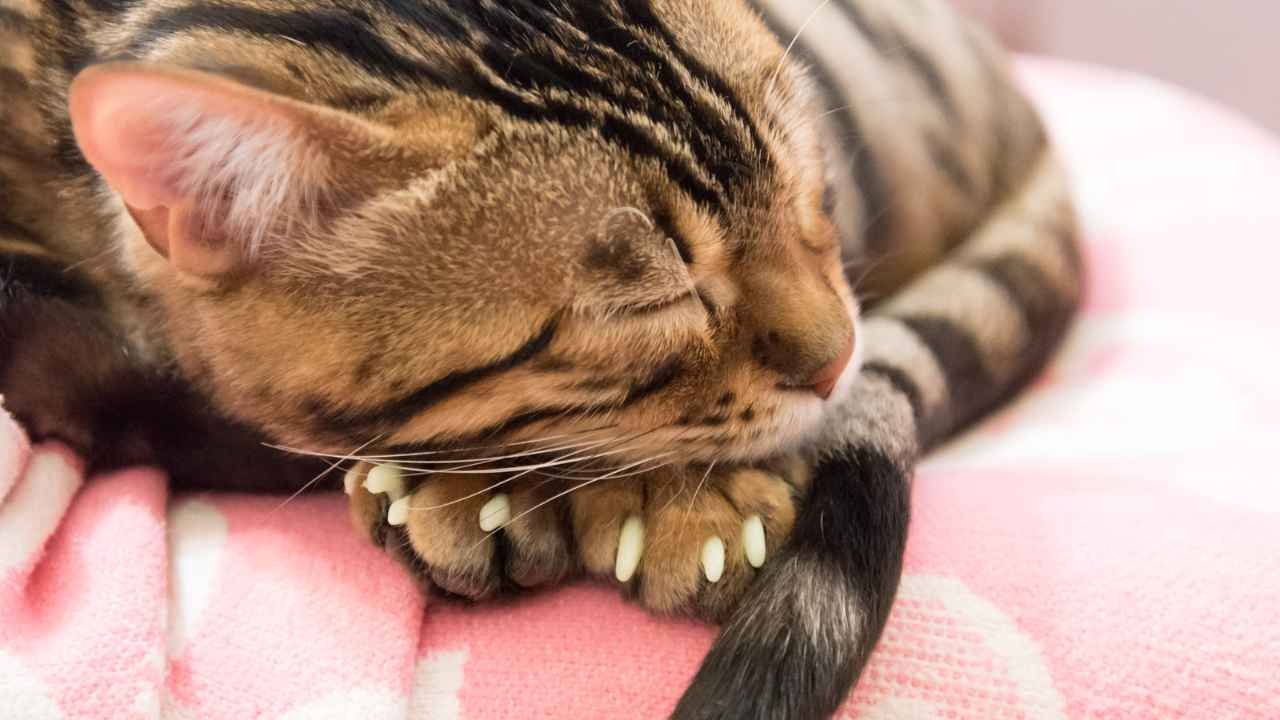
Claw caps are small, soft plastic caps that fit over a cat’s claws. They’re designed to blunt the sharpness of the nails, reducing damage to furniture, walls, and even human skin. They are typically applied using a non-toxic adhesive, and they usually stay on for several weeks before naturally falling off as the cat’s nails grow.
When I first encountered claw caps in practice, a client brought in her two indoor cats, worried that they were scratching her new leather sofa. She was nervous about using the caps, having heard mixed opinions online. I examined the cats and explained the process, emphasizing careful application and monitoring for discomfort.
Are They Safe?
From my professional perspective, claw caps are generally safe if used correctly. The biggest risk comes from improper application. I’ve seen cats with caps that were too tight or glued incorrectly, which can lead to irritation or even a mild infection. In one memorable case last spring, a customer brought her cat in because the nail cap was glued over a broken nail.
The cat developed swelling and had to be treated with a topical antibiotic. Situations like this highlight that claw caps are not inherently dangerous, but human error can cause problems.
Another safety consideration is behavior. Some cats initially try to chew or scratch the caps off. I’ve worked with a client whose young Bengal was so determined to remove them that he became stressed, hiding under furniture and refusing to eat. In such cases, I recommend gradually acclimating the cat by applying caps one paw at a time and using positive reinforcement. Patience is key, and most cats adjust within a few days.
Benefits I’ve Observed
In my experience, claw caps provide several practical benefits for cats and owners alike. For families with toddlers or elderly members, the risk of scratches drops significantly. I remember a client with a senior grandparent at home who used claw caps, and she was relieved that the cat could roam freely without anyone worrying about injury.
Claw caps also give owners peace of mind when introducing new furniture or during renovations. I once helped a homeowner who had just invested several thousand dollars in antique upholstery. Applying claw caps allowed the cat to remain indoors without risking delicate fabrics, and it tolerated them surprisingly well after a brief adjustment period.
Potential Downsides
Despite the advantages, claw caps are not without drawbacks. First, cats need regular nail trimming even with caps. Overgrown nails under a cap can cause discomfort or make walking awkward. Second, if a cat has an underlying health issue affecting its paws, such as arthritis or nail bed infection, the caps could exacerbate discomfort. I always advise owners to ensure their cats are healthy before applying caps and to consult a veterinarian if any abnormal behavior appears.
Another consideration is that claw caps do not replace the need for scratching outlets, such as posts or pads. In fact, I’ve noticed that cats with caps will still try to scratch surfaces—though the damage is minimized—so providing proper scratching options remains essential.
Tips for Safe Use
Based on years of practice, here are practical tips I share with clients:
- Start slowly: Apply caps to only one or two paws at a time and observe your cat’s reaction.
- Use appropriate adhesive: Only the non-toxic glue provided with the claw caps should be used.
- Regular checks: Inspect the caps weekly to ensure none have slipped or caused irritation.
- Complement with scratching posts: Encourage normal scratching behavior even while using caps.
My Recommendation
Overall, I consider claw caps safe for most cats, particularly indoor cats or those in homes where scratches can be a real hazard. They require proper application, observation, and maintenance, but when done correctly, they are a low-risk and effective tool. I have personally helped many owners successfully use them without incident, and they often report improved harmony in their households.
For cats who are particularly anxious or sensitive, alternatives such as regular nail trimming or soft paw covers might be a better fit. The key is to observe your cat closely and prioritize their comfort.