
A Veterinarian’s Real-World Take
I’ve been practicing as a small-animal veterinarian for over a decade, and if there’s one seasonal pattern I see every year, it’s this: as soon as lawns start getting treated, my clinic starts seeing dogs with mysterious vomiting, drooling, or lethargy. More often than not, weed killer exposure is somewhere in the story.
The tricky part is that “weed killer” isn’t one thing. It’s a category that includes dozens of chemical formulations—some relatively low-risk when dry, others potentially harmful for much longer. So the real answer isn’t a single timeline, but I’ll walk you through what I’ve learned from both clinical cases and conversations with concerned dog owners.
The Short Answer (and Why It’s Not Enough)
Most common lawn herbicides are considered toxic to dogs while they are still wet, and generally safe once completely dry, which can take anywhere from a few hours to 24 hours, depending on the product and conditions.
But in practice, I rarely trust that “safe when dry” claim at face value.
What I’ve Seen in Real Cases
A client brought in her Labrador one afternoon last spring. The dog had been perfectly fine that morning, then started vomiting and acting restless. After some back-and-forth, she mentioned her gardener had sprayed weed killer earlier that day. The lawn looked dry when the dog went out, but the edges near the fence were still slightly damp.
That’s enough.
Dogs don’t just walk on grass. They sniff, lick their paws, and sometimes chew on plants. Even small residues can end up ingested.
In another case, a young mixed-breed dog developed skin irritation on its belly after lying on treated grass. The owner had waited “a few hours,” assuming it was safe. It turned out the product label recommended a full 24-hour drying period in shaded areas—something many people overlook.
How Long Toxicity Really Lasts
From my experience, here’s a more realistic breakdown:
- Wet product (0–6 hours): Highest risk. Direct exposure can cause poisoning, especially if ingested or absorbed through the skin.
- Dry but recent (6–24 hours): Moderate risk. Residues can still transfer to paws and be ingested later.
- After 24–48 hours: Lower risk for most standard herbicides, assuming no heavy application and proper drying.
- Beyond 48 hours: Typically, minimal risk, though this depends on the chemical type and environmental factors.
Humidity, shade, and over-application can extend toxicity far beyond what the label suggests.
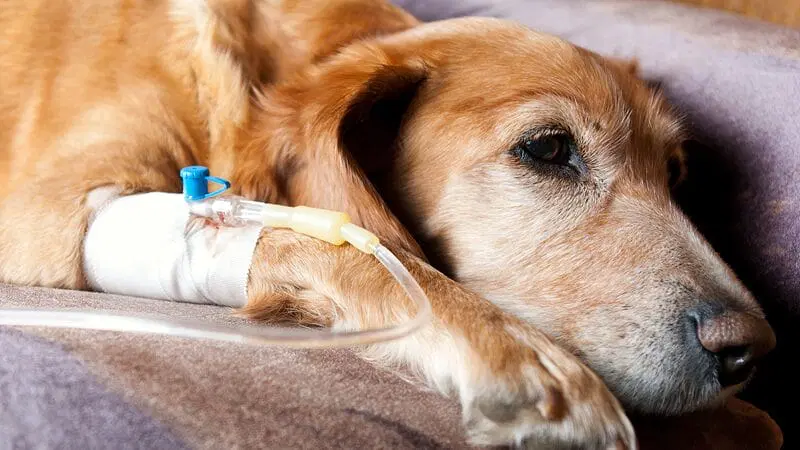
Not All Weed Killers Are Equal
Some herbicides contain chemicals like glyphosate, while others use stronger compounds that can irritate the skin or gastrointestinal tract more aggressively. I’ve seen dogs react differently to different products, even with similar exposure levels.
One mistake I often see is assuming “pet-safe” means harmless. It doesn’t. It usually means less toxic when used properly. I’ve treated dogs exposed to so-called pet-safe products that still ended up with mild poisoning symptoms.
Common Symptoms I Watch For
When a dog has been exposed, I usually see:
- Vomiting or drooling
- Lethargy or weakness
- Red or irritated skin (especially paws and belly)
- Loss of appetite
In more serious cases, there may be tremors or breathing issues, but these are less common and usually involve greater exposure.
What I Recommend to Dog Owners
Over the years, I’ve become more conservative in my advice. If you ask me in the clinic, I won’t say “wait until it dries.” I’ll say:
Keep your dog off treated grass for at least 24 to 48 hours.
That buffer has prevented far more problems than it has caused inconvenience.
I also advise:
- Wipe your dog’s paws after walks if you suspect treated areas nearby.
- Avoid letting your dog graze or chew on grass in public spaces.
- Ask lawn care providers exactly what they used—not all products behave the same.
A Pattern I’ve Noticed
Interestingly, many of the cases I see aren’t from a dog’s own yard. They’re from shared spaces—parks, sidewalks, or neighbors’ lawns. Owners assume those areas are safe, but treatments are often done without notice.
One of my long-term clients started carrying a small water bottle and a cloth to rinse her dog’s paws after walks. It might sound excessive, but she hasn’t had a single issue since adopting that habit.
Where I Stand on Lawn Chemicals
Personally, I’m cautious. I’ve seen enough mild-to-moderate poisonings that I advise minimizing use around pets whenever possible. There are alternative weed control methods that don’t carry the same risk, and in my experience, they’re worth considering if you have a curious or sensitive dog.
Weed killers don’t have to be dangerous—but they often are, at least temporarily. And dogs, being dogs, rarely respect invisible boundaries or warning labels.
That’s why a little extra caution goes a long way.