
A Veterinarian’s Honest Take
As a small animal veterinarian, I often get asked about bully sticks—dogs love them, but how often is too often?
The answer isn’t one-size-fits-all, and I’ve learned that the hard way through real cases.
What I Tell My Clients First
In my experience, bully sticks should be occasional treats—not daily staples. For most dogs, I recommend offering them no more than 2–3 times per week, and even that depends heavily on the dog’s size, diet, and overall health.
A bully stick isn’t just a chew; it’s also a calorie-dense food item. Many owners overlook that. One medium-sized bully stick can contain anywhere from 80 to over 150 calories. For a smaller dog, that’s a significant portion of their daily intake.
I treated an overweight Labrador whose owner was perplexed by his weight gain. It turned out he was getting a bully stick almost every evening; reducing the frequency improved his condition.
Why Frequency Matters More Than You Think
The biggest issue I see isn’t the bully stick itself—it’s how often it’s given.
Dogs don’t regulate treat intake the way we might hope. If it tastes good, they’ll happily eat it every day. But frequent chewing on bully sticks can lead to:
- Weight gain
- Digestive upset
- Loose stools or diarrhea
- In some cases, even pancreatitis in sensitive dogs
A few years ago, I had a case where a young German Shepherd came in with recurring stomach issues. The owner had switched to bully sticks, thinking they were healthier than rawhide, but was giving one daily. Once we reduced it to once or twice a week, the digestive problems settled down.
Chewing Time Matters Too
It’s not just about how often—it’s also about how long.
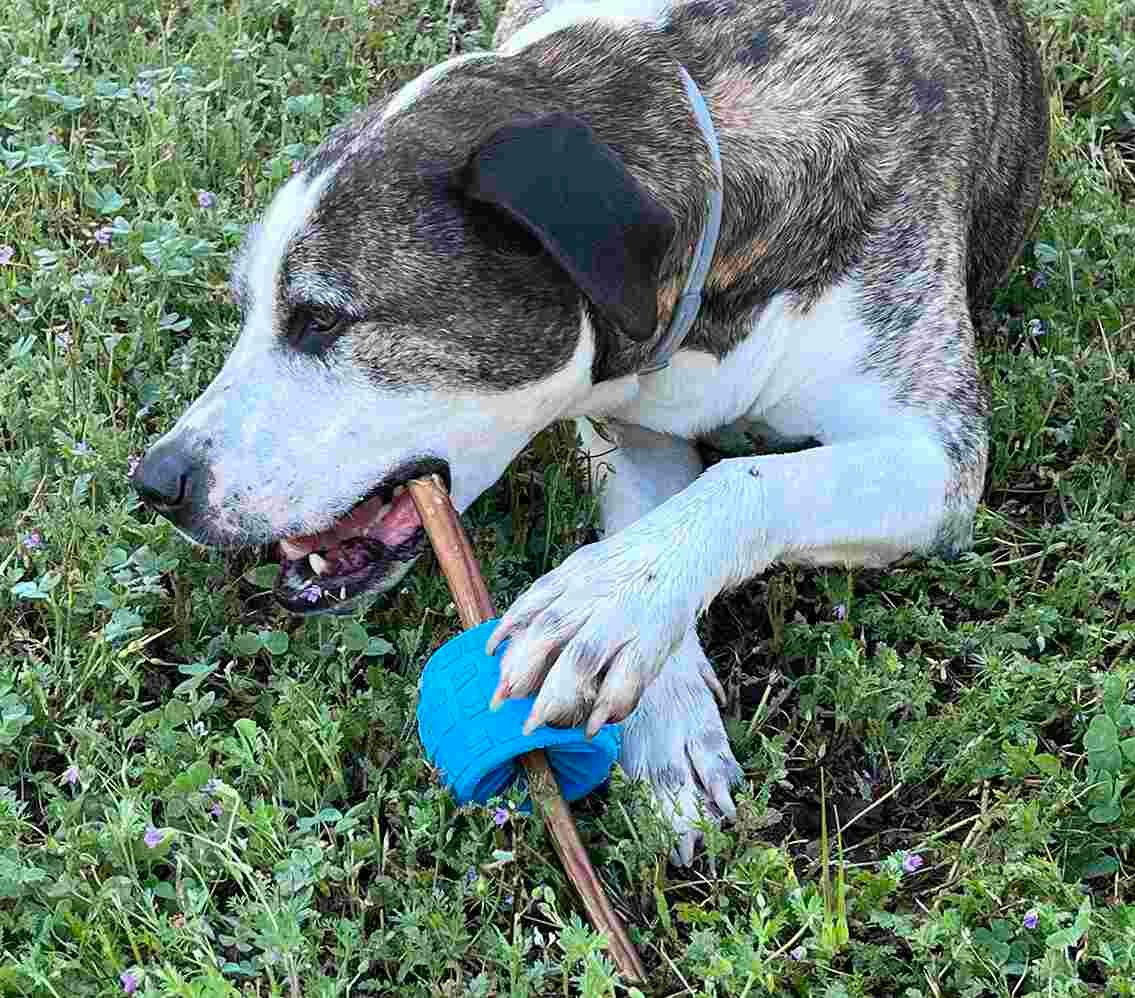
Some dogs will power through a bully stick in 10 minutes. Others will nibble on it for an hour. I usually advise clients to limit chew sessions to 20–30 minutes, then remove the stick.
This helps prevent overconsumption and reduces the risk of choking, especially when the stick gets small. I’ve had more than one emergency visit involving a dog swallowing the last chunk whole. That’s not a situation you want to deal with late at night.
Not All Dogs Tolerate Them the Same Way
I’ve seen dogs thrive with occasional bully sticks, and others who simply don’t handle them well.
A small mixed-breed dog developed diarrhea after eating bully sticks, which resolved once they were removed.
So if your dog shows any signs like soft stool, vomiting, or reduced appetite after chewing on one, it’s worth reconsidering whether they’re suitable at all.
How I Personally Use Them With My Own Dog
My own dog gets a bully stick once or twice a week, especially on days requiring extra stimulation.
I also make a point of supervising every time. That’s something I emphasize strongly. No matter how “safe” a chew is marketed, supervision matters. Dogs can surprise you.
A Practical Way to Think About It
InsTreats, including bully sticks, should make up no more than 10% of your dog’s daily calories. Always factor this in when considering how often to give them. If you’re already giving training treats, table scraps, or other chews, adding a bully stick on top of that can easily push things too far.
Common Mistakes I See
One pattern I’ve noticed over the years is that owners often treat bully sticks like toys rather than food. That mindset leads to overuse.
Another mistake is choosing the wrong size. Giving a large bully stick to a small dog might seem like it’ll last longer, but it can actually lead to overeating or digestive trouble.
So, How Often Is Safe?
For a healthy adult dog, a reasonable approach is:
- 1–2 times per week for small dogs
- 2–3 times per week for medium to large dogs
Always adjust bully stick frequency based on your dog’s weight, activity, and response. Monitor for any digestive or weight changes, and consult your vet if unsure. If there’s one takeaway from my years in practice, it’s this: bully sticks are fine in moderation, but they’re easy to overdo. I’ve seen more problems from “too many” than from the treat itself.
Used thoughtfully, they can be a great addition to your dog’s routine. Without consideration, they can quietly cause issues that take time to notice.