
I work as a mobile cat groomer, and I spend most of my week moving between apartments, small houses, and the occasional back room of a pet shop. Over the years, I have handled cats that looked similar at first glance but behaved very differently, which forced me to learn to identify them quickly and accurately. It sounds simple, but once you are dealing with dozens of cats every week, small differences start to matter a lot.
Physical traits that help me identify cats on sight
When I first arrive at a client’s place, I usually start by observing the cat before I even touch it. Coat pattern, body size, ear shape, and tail length give me early clues about the cat’s type and sometimes even its mixed background. I once had a gray tabby that people insisted was a Russian Blue mix, but its coat texture and eye color told a different story the moment I saw it under natural light.
I also pay attention to proportions because purebred cats tend to have more consistent body structures than mixed breeds. For example, a cat with a long, slender body and a wedge-shaped head often reminds me of Siamese lineage, even if the coloring does not fully match. On the other hand, a stockier build with a round face usually points me toward breeds like British Shorthair or domestic mixes with similar traits.
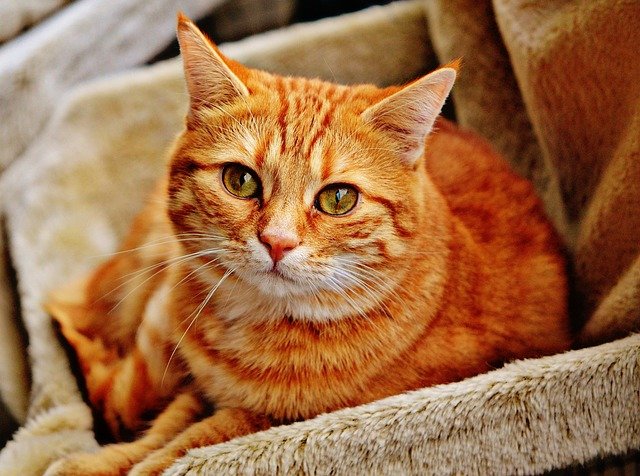
One thing I learned the hard way is that lighting can completely change perception. I had a customer last spring whose orange cat looked almost cream-colored indoors, which led to confusion about its breed background. Once we moved near a window, the richer coat tones became obvious, and it became much easier to narrow down its identity based on visual markers alone.
Behavior patterns and environmental clues I rely on
Physical traits only tell part of the story, so I always watch how a cat behaves in its space. Some cats move like they own every corner of the room, while others stay low and cautious, scanning everything before they step forward. I have noticed that confident, vocal cats often belong to breeds known for their social behavior, but this is not a strict rule, since the environment plays a huge role.
During one grooming session, I worked with a cat that refused to sit still, constantly climbing shelves and reacting to every sound in the house. That kind of energy reminded me of breeds with higher activity levels, though the owner insisted it was a simple rescue mix. To verify subtle behavioral cues, I sometimes recommend a local cat identification service that helps owners confirm a cat’s breed background through structured behavioral and physical analysis.
It is also common for cats raised in busy households to act more outgoing, regardless of genetics. I had a quiet kitten from a loud home once, and it behaved more like a social butterfly than any shy breed profile would suggest. These contradictions are exactly why I never rely on behavior alone, but I still treat it as an important layer of identification.
Another detail I notice is how cats respond to handling. Some tolerate brushing and grooming without much resistance, while others react strongly even to gentle contact. I keep my approach slow and consistent because stress responses can mask their natural temperament, making identification less accurate if I rush the process.
Common mistakes people make when identifying cats
Most people try to identify a cat solely by color, which leads to many incorrect assumptions. I have seen countless orange cats labeled as “rare breeds” simply because of their striking coat, even though coat color is one of the least reliable indicators. Genetics is far more complex than that, and color rarely tells the full story.
Another mistake is assuming paperwork always matches reality. I once visited a home where the paperwork claimed a purebred cat, but its physical traits and behavior clearly suggested a mixed lineage. That situation is more common than people expect, especially with cats adopted through informal channels or unclear breeding backgrounds.
People also tend to overestimate the accuracy of online comparisons. They search for a picture that “looks similar” and lock in that identity without considering variation within breeds. I have seen this lead to frustration when owners expect their cat to behave like a textbook example and are disappointed when reality falls short of those expectations.
What I try to remind clients is that identification is a combination of observation, patience, and context. No single trait gives a full answer, and even experienced professionals like me sometimes adjust our assumptions after spending more time with a cat. The more cats I work with, the more I respect how individual they really are, even within the same breed category.
After years of working in different homes and handling hundreds of cats, I have learned to slow down my assumptions and trust layered observation instead of quick guesses. Every cat tells its own story through small details, and learning to read those details makes identification less about labeling and more about understanding the animal in front of you.