
I work as a small-animal veterinary technician in a mixed clinic where we see everything from street rescues to pampered indoor cats. Over the years, I’ve had a surprising number of cat owners ask me if honey is safe for cats, usually after reading something online or hearing advice from a neighbor.
The question sounds simple, but the reality behind it is a bit more layered once you look at how cats actually process food. I’ve seen both harmless curiosity and a few risky habits come from this idea.
Most of my experience comes from routine consultations, emergency follow-ups, and long conversations with owners who genuinely want to do right by their pets. Honey comes up more often than people think, especially during cold seasons when owners are looking for natural remedies. Cats are not small humans, and that difference becomes very clear when we talk about sweeteners like honey. I’ve had to explain this gently many times in exam rooms that smell like disinfectant and cat food.
Why do owners even consider honey for cats?
In many cases, people treat honey as a harmless natural supplement, assuming it works the same way in cats as it does in humans. I’ve had owners tell me they gave a teaspoon to soothe a cough or to “boost energy,” especially in older cats who were eating less. The intention is usually care, not harm, but cats don’t metabolize sugars the way we do, and that’s where misunderstandings start to matter. I remember a customer last spring who brought in a senior tabby after trying home remedies for a week.
In our clinic, we often receive referrals from local practitioners, and I’ve seen cases discussed alongside basic supportive care advice from a veterinary clinic focused on community pet health education. Those discussions usually circle back to the same point: honey is not toxic to cats, but it is not medically necessary either. It can easily shift from a “small treat” into a habit that affects digestion or blood sugar stability. I’ve seen that pattern repeat enough times to be cautious about it.
One sentence I often repeat to worried owners is simple: cats are obligate carnivores. That means their bodies are designed around protein, not sugar. Honey is essentially concentrated sugar with trace compounds that don’t provide meaningful benefits to felines. I’ve seen cats refuse it outright, while others lick it out of curiosity and then later show mild stomach upset.
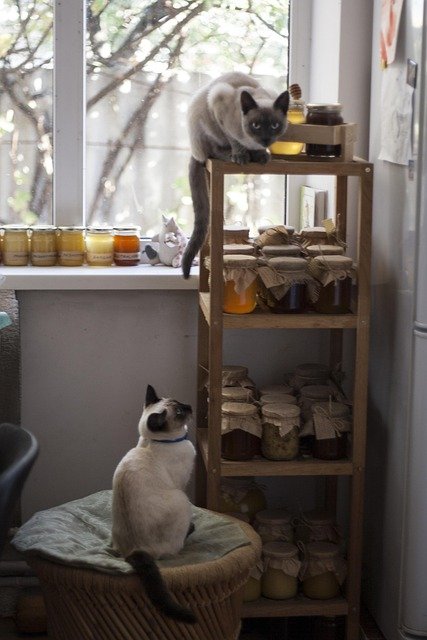
What honey actually does inside a cat’s body
When honey enters a cat’s system, it behaves mostly like sugar syrup with very little nutritional purpose. The digestive system of a cat is short and efficient, built for meat digestion rather than carbohydrate breakdown. Small amounts usually pass without major issues, but regular intake can place unnecessary stress on the pancreas and metabolic balance. I’ve seen overweight indoor cats struggle more when treats like this become routine.
There is also a misconception that honey can “heal” infections or soothe illnesses in cats, as people use it for sore throats. In practice, I’ve never seen honey act as a reliable treatment for feline respiratory issues or digestive discomfort. At best, it is neutral in tiny amounts, and at worst, it adds a sugar load that complicates existing conditions like diabetes. These situations are rare, but they do show up in clinical notes.
Botulism concerns come up occasionally, though the risk in adult cats is considered very low. Kittens, however, are a different story because their immune systems are still developing, and even small dietary risks matter more. I usually advise against giving any honey to young kittens altogether. Their nutritional needs are already delicate, and unnecessary additions rarely help their growth.
When cat owners try honey at home
Most of the time, honey is given at home for coughs, mild wounds, or general “energy boosting.” I’ve had owners explain that they mixed it with warm water or added it to food, hoping it would help recovery after illness. Sometimes the cat ignores it completely, but at other times it licks it up, leading owners to assume it is safe and beneficial. That assumption is where problems slowly begin to build.
In one case, a middle-aged Persian cat came in after repeated small doses of honey given for seasonal coughing. The coughing itself was unrelated to diet, but the added sugar intake had contributed to weight gain and slightly elevated blood glucose levels. The owner was shocked because the intention had been purely supportive care. Situations like that are why I tend to discourage routine use of honey in cats.
Some owners also use honey as a way to hide medication, especially when pills are bitter. While this might work temporarily, it can create an expectation in the cat that sweet flavors are part of medication time. That can make future treatments more difficult. I’ve seen cats become resistant to even simple oral medications after repeated mixing with sweet substances.
What I usually recommend instead
When owners ask me what they should use instead of honey, I usually shift the conversation toward species-appropriate options. For mild throat irritation or coughing, proper veterinary diagnosis matters far more than any home remedy. Cats often show subtle symptoms that can point to respiratory infections, allergies, or even heart issues. Treating the symptom without understanding the cause rarely leads to improvement.
For minor skin issues or small wounds, I’ve seen better outcomes with vet-approved topical treatments rather than anything edible. Cats tend to groom themselves constantly, which makes anything sticky, like honey, a poor choice for skin anyway. Even if it seems soothing at first, it can attract dirt and cause irritation. Clean, medically approved care works more consistently in practice.
When it comes to nutrition, I always redirect owners toward balanced cat food rather than human food supplements. A healthy cat on a proper diet rarely needs additional sugars or natural sweeteners. I’ve worked with hundreds of cases where improving diet quality resolved more issues than any home remedy ever did. That includes better coat condition, energy levels, and digestive stability.
There are still situations where curiosity wins, and cats get a tiny taste of honey from a spoon or fingertip. In those moments, I usually reassure owners that a single lick is not a crisis. The concern starts when it becomes a pattern rather than an accident. Cats are resilient, but their bodies are not designed for regular sugar intake.
After years of working on different cases, I’ve learned that the simplest answer is often the most accurate. Honey is not poisonous to cats, but it also doesn’t belong in their regular diet. When owners focus on species-specific care rather than human-style remedies, outcomes are usually smoother and more predictable. That shift alone prevents many unnecessary clinic visits and confusion later.