
Many pet owners use disinfecting wipes to keep their homes clean and germ-free. These products are easy to use and widely available in most households. However, when dogs are involved, safety becomes a bigger concern. Understanding how these wipes affect your pet can help you avoid harmful situations.
What Is Inside Disinfecting Wipes?
Disinfecting wipes often contain chemicals designed to kill bacteria and viruses on surfaces. Common ingredients include bleach, alcohol, and quaternary ammonium compounds. These substances are effective for cleaning, yet they can be harsh on sensitive skin and tissues. Dogs can react differently compared to humans.
Some wipes also include fragrances and preservatives that may irritate a dog’s nose or skin. Dogs rely heavily on their sense of smell, and strong chemical scents can be overwhelming. In some cases, exposure to these chemicals may cause mild discomfort or even allergic reactions. A small amount might not cause harm, but repeated exposure increases risk.
Labels on these products often warn against direct contact with skin or ingestion. Dogs do not read labels. They frequently lick surfaces, which increases the risk of accidental ingestion. That is where problems can begin.
Risks of Using Disinfecting Wipes on Dogs
Using these wipes directly on your dog, especially on paws or fur, can lead to several health issues. Skin irritation is one of the most common problems and may appear within hours of contact. Redness, itching, or dryness can develop quickly, particularly in sensitive areas.
Many pet care resources explain concerns around this topic, including guides like Are Clorox Wipes Safe for Dogs? ” that highlight risks linked to chemical exposure. Such information helps pet owners make safer choices. Dogs often lick their paws after walking or cleaning, which increases the chance of ingesting harmful substances. Even a small amount of residue can upset their stomach.
Long-term exposure is another concern. If wipes are used daily on surfaces where dogs rest or eat, chemicals may build up over time. This can slowly affect your dog’s health, making it harder to identify the cause. Regular caution is necessary.
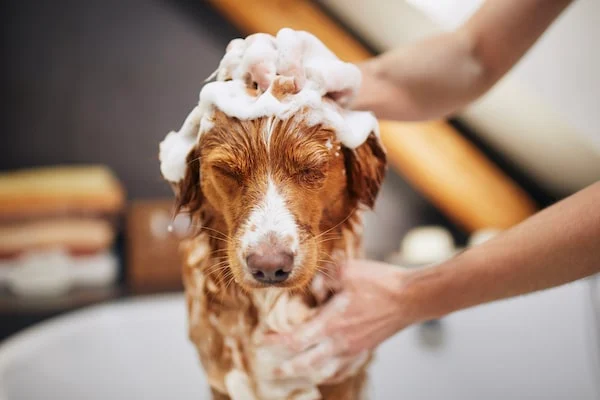
Signs Your Dog May Be Affected
Dogs cannot tell you when something feels wrong, so you need to watch their behavior closely. Symptoms can vary depending on the level of exposure and the dog’s size. Smaller dogs often respond more quickly because their bodies process chemicals differently.
Here are a few signs to watch for:
– Excessive licking of paws or fur
– Red or irritated skin patches
– Vomiting or diarrhea after contact
– Sneezing or coughing around cleaned areas
– Low energy or unusual behavior
If you see these symptoms after using disinfecting wipes, act quickly. Washing the area with clean water can provide relief.
Safer Cleaning Alternatives for Pet Owners
You can keep your home clean and your dog safe. Pet-safe cleaning products are widely available and contain gentler ingredients that reduce the chance of irritation or harm.
Simple solutions can also work well. For example, a mixture of water and mild dish soap can effectively clean many surfaces. Vinegar-based cleaners are another option, though they should be used carefully around certain materials. Always rinse surfaces that your dog may touch or lick.
After cleaning floors, ensure they are completely dry before your dog walks on them. This prevents any residue from getting on your dog’s paws, reducing the chance of accidental chemical exposure.
Best Practices for Keeping Your Dog Safe
Establishing a safe cleaning routine helps protect your dog every day. One important step is storing disinfecting wipes out of reach, as some dogs may chew or play with the packaging. Accidental ingestion of wipes can cause choking or digestive issues.
Do not use wipes on your dog’s skin or fur, as this can be harmful. If your dog’s paws need cleaning, use only a damp cloth or pet-safe wipes. These alternatives avoid risky chemicals and prevent unnecessary irritation.
If your dog seems uncomfortable after cleaning, consider other products. Prevention is better than treatment.
Cleaning your home should never come at the cost of your dog’s health. By choosing safer products and following simple habits, you can protect your pet while keeping your space fresh and tidy. Awareness matters. Small changes today can prevent serious problems tomorrow.