
Practical Advice from a Veterinarian Who Sees These Kittens Every Week
I’m a small-animal veterinarian who has spent years seeing young kittens come through my exam room—some thriving, some struggling because their owners were trying hard but didn’t yet know what a three-month-old really needs.
At this age, kittens are curious, fast, and constantly pushing the limits of their tiny bodies. The sweet part is that a few wise choices now can set them up for a healthy, confident adult life.
Understanding what “three months old” really means.
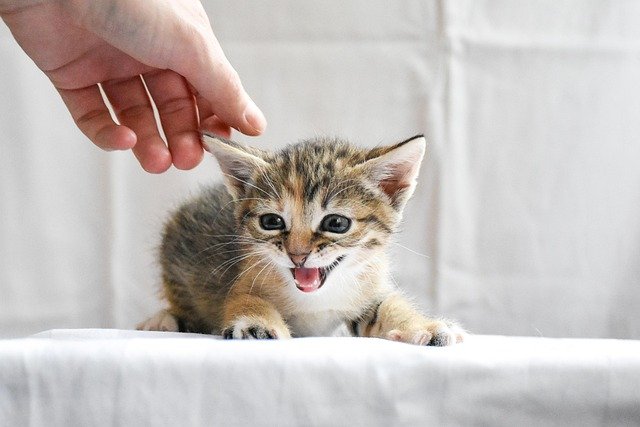
Many owners assume a three-month-old kitten is basically a small adult cat. I don’t see it that way at all. At this stage, they’re closer to toddlers—learning coordination, still teething, not fully vaccinated, and easily overwhelmed.
I remember a family who brought in a kitten last summer because he “slept too much.” He was actually perfectly normal; kittens often play in intense bursts and then crash hard. What worried me more was that he had free access to every part of the house. At this age, they’re still figuring out heights, gaps between furniture, and open windows. He didn’t need medication—he needed a safer, calmer environment.
Feeding a three-month-old kitten the right way
Three-month-old kittens need calories, protein, and frequent meals. They are still growing rapidly, so adult cat food doesn’t meet their needs.
I strongly recommend high-quality kitten-specific food, either wet, dry, or a combination. I personally prefer incorporating damp food because I’ve treated far too many older cats with urinary problems that could have been helped by better hydration early in life. At this age, most kittens do well with three to four small meals across the day rather than one or two large ones.
A common mistake I see: people “free-feed” dry food all day and assume more access means more love. In reality, it often leads to overeating or digestive upset. Measured meals let you notice right away if your appetite changes, which is one of the earliest signs of illness.
Litter training and bathroom habits
Most three-month-old kittens already understand the litter box instinctively, but they can still miss if the setup isn’t correct. I suggest at least one more litter box than there are cats in the home, and avoid covered boxes at this age—they trap smells and can discourage use.
A client last spring had a kitten who kept eliminating behind the couch. They were convinced it was behavioral “defiance.” It wasn’t. The kitten’s box was in the laundry room next to a noisy washer. Once the box was moved to a quieter corner, the problem disappeared. Young kittens scare easily; they don’t want to toilet somewhere that rumbles and clicks.
If you notice diarrhea, straining, or a very foul odor, that’s not something to watch indefinitely. Parasites, dietary intolerance, or infections are common at this stage and should be checked.
Sleep, play, and those wild bursts of energy.
Three-month-old kittens are usually either asleep like a dropped stone or tearing through the house at full speed. Both are normal.
The key is structured play, not random overstimulation. Short interactive play sessions with wand toys are more helpful than letting them attack hands and feet. I see a lot of adult cats who bite during petting, and almost every time, the owners admit they thought “hand play” was cute when the kitten was small. It’s not cute later, and it’s avoidable.
Scratching posts at different heights, soft beds in quiet corners, and stable climbing furniture help them build confidence and coordination without turning your furniture into practice material.
Vaccinations and vet visits at this age
At three months, your kitten is likely in the middle of the vaccination series, not finished. This distinction matters.
I’ve had owners proudly tell me their kitten “had shots” once and therefore now goes outdoors. Unfortunately, partial vaccination offers partial protection. Until the whole series and booster are completed, I advise keeping kittens indoors and away from unknown cats.
That is also usually the stage at which I treat lingering fleas, ear mites, and intestinal parasites acquired before adoption. Over-the-counter wormers or dog medications adjusted by guesswork cause more harm than help. I’ve personally treated a kitten whose owner used a dog flea product on him; the kitten developed tremors and needed hospitalization. My opinion is firm here: parasite control should be discussed, not improvised.
Socialization and handling — shaping their adult personality
Three-month-olds are highly impressionable. The way you handle them now often predicts whether they will be an affectionate lap cat or a cat that disappears under the bed whenever guests arrive.
I gently recommend daily, calm handling: touching paws, ears, and gently opening the mouth. I do this in my clinic constantly because it makes nail trims, grooming, and exams far less stressful later. One of my regular clients adopted two brothers at this age. She made a habit of softly touching their paws while they were sleepy. Those cats now walk into nail trims like it’s nothing, while others fight every step of the way.
Loud, chaotic environments, rough play with children, or frequent scolding can make young kittens anxious. They don’t “learn lessons” from punishment; they learn fear.
Safety around the house
Most emergencies I see in kittens could have been prevented with minor changes. At three months old, they can squeeze into vents, chew cords, knock over unstable objects, and swallow thread, rubber bands, or hair ties.
I’ve performed surgery on more than one kitten that swallowed sewing thread. It doesn’t just sit in the stomach; it saws through the intestines. The owners always say the same thing: “I didn’t think something so small could cause that much trouble.”
Keep these out of reach:
- string, thread, tinsel, and ribbon
- open windows without screens
- unsecured electric cords
- household cleaners and medications
Houseplants matter too. I’ve seen kittens chewing lilies brought home “just for decoration.” Lilies can cause kidney failure in cats, even from licking pollen off their fur. I strongly advise not keeping lilies in homes with cats of any age.
Spaying, neutering, and what to plan next
Three months is usually the planning stage for spay or neuter, not the procedure itself, everywhere. Still, many clinics safely perform surgery between 4 and 6 months, and some earlier, based on weight and health. I encourage owners to discuss timing rather than waiting until heat cycles or spraying start. I’ve treated male kittens who began territorial urine marking earlier than their owners expected, and they always tell me they wish they had scheduled surgery sooner.
Early discussion also allows screening for congenital issues, heart murmurs, or dental abnormalities before anesthesia.
Final thought from experience, not theory
I’ve cared for hundreds of kittens at roughly this age, and the pattern is always the same: the healthiest, happiest ones belong to people who balance affection with structure. They feed intentionally, play regularly, kitten-proof their homes, and avoid guessing about medical care.
3 months old is a wonderful stage—equal parts chaos and affection. A little guidance now saves a lot of heartache later, and watching a once-tiny kitten grow into a confident adult never stops being rewarding.