
Insights from a Veterinarian’s Experience
I remember one spring, a client brought in a young Pomsky puppy who had suddenly become lethargic and was refusing food. After a thorough examination, we discovered signs of hip dysplasia—a condition I’ve seen several times in Pomskies due to their hybrid nature.
While hip dysplasia is often associated with larger breeds, the Pomsky’s mix of Pomeranian and Husky genetics can make them prone to joint issues even at a smaller size.
Dental Problems in Pomskies
One challenge I’ve noticed with Pomskies is their susceptibility to dental problems. Their Pomeranian lineage often results in crowded teeth, which can lead to tartar buildup, gum disease, or even early tooth loss if left unchecked. In my practice, I recommend regular dental cleanings and at-home brushing.
A client last year had a Pomsky with noticeably bad breath, and after a professional cleaning, the dog’s overall energy and appetite improved dramatically. That kind of transformation is always rewarding to witness.
Eye Conditions and Vision Problems
Another concern I frequently encounter is eye conditions. Pomskies can inherit genetic issues such as cataracts or progressive retinal atrophy (PRA).
I’ve treated several Pomskies whose owners were unaware that their pet’s gradual vision loss wasn’t just a regular part of aging but a hereditary condition. Early detection through routine eye exams allows for better management and helps maintain quality of life.
Skin and Coat Issues
Skin and coat issues are also common. Pomskies often inherit a thick double coat from their Husky side, which can trap moisture and lead to hot spots or dermatitis if not appropriately groomed.
I’ve observed owners assuming a quick brush was sufficient, only to find their dog developing inflamed patches along the back and under the limbs. Regular grooming and frequent skin checks for irritation can help prevent these flare-ups.
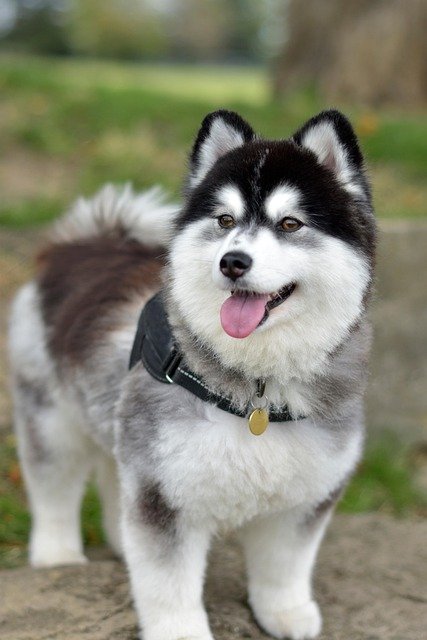
Dietary Sensitivities and Digestive Problems
In my experience, another factor that often surprises owners is the Pomsky’s sensitivity to specific diets. Some Pomskies develop gastrointestinal issues when fed low-quality commercial food. I recall a case where a young Pomsky began experiencing chronic diarrhea after switching to a popular grocery-store kibble.
After transitioning to a diet with higher protein quality and fewer fillers, the dog’s digestive issues resolved within weeks. It reminded me how much genetics and individual tolerance play a role in a Pomsky’s health.
Obesity and Weight Management
Finally, obesity is something I’ve repeatedly seen with this breed. Despite high energy, Pomskies can gain weight quickly if overfed or under-exercised. One client, who adored taking their Pomsky on short walks only, was surprised to see the dog steadily gaining weight.
We adjusted the exercise routine and diet, and within a few months, the Pomsky was back to a healthy weight and much more energetic and playful.