
During my years working as a small-animal veterinarian, I’ve had plenty of unexpected food questions from cat owners. One of the more common ones appears during casual conversations in the exam room: someone mentions their cat licking a bowl after dinner, and the food turns out to be tomato soup.
At first glance, it doesn’t seem like a big deal. Tomato soup is mild, familiar, and people eat it all the time. But cats process foods very differently than we do, and what seems harmless to us can create digestive trouble—or worse—for them.
From my experience treating household cats in everyday situations, tomato soup falls into the category of foods that are better kept off a cat’s menu.
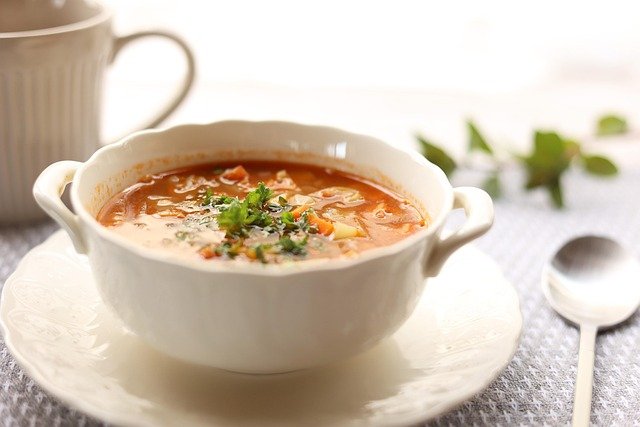
Why Tomato Soup Isn’t Ideal for Cats
The issue usually isn’t the tomato itself. Ripe tomatoes in very small amounts aren’t considered highly toxic to cats. The bigger problem is what’s in the soup.
Most tomato soups contain ingredients that cats aren’t well-suited to handle.
Common additives include:
- Onions or onion powder
- Garlic
- Salt in high amounts
- Cream or dairy
- Butter or oil
- Preservatives and seasonings
Onions and garlic are especially concerning. Even small amounts can damage a cat’s red blood cells over time. It’s something veterinarians watch closely because symptoms don’t always appear immediately.
Salt and heavy dairy can also upset a cat’s stomach. Cats are obligate carnivores; their digestive systems evolved around meat, not seasoned vegetable-based foods.
I’ve seen many cases where the soup itself wasn’t toxic but caused vomiting, diarrhea, or lethargy because of those extra ingredients.
A Situation I See Surprisingly Often
One case that sticks with me involved a middle-aged indoor cat whose owner mentioned during a routine checkup that the cat loved “sharing lunch.” After a little digging, it turned out the cat regularly licked the bowl after tomato soup and grilled cheese meals.
The owner thought it was harmless because the cat never ate much—just a few licks.
A few weeks later, the same cat returned with mild anemia and digestive upset. While the soup wasn’t the only factor, the onion powder and frequent exposure certainly didn’t help. Once the owner stopped sharing human food, the cat gradually returned to normal.
That experience reinforced something I’ve seen repeatedly: small habits repeated over time can create bigger health issues.
Cats Are Curious About Strong Smells
People often ask why cats seem interested in tomato soup in the first place. It isn’t the tomato flavor attracting them.
In my experience, cats respond more to the fats and proteins in the soup—especially if it contains cream or butter. Those ingredients carry strong aromas, and cats are extremely sensitive to scent.
One afternoon in the clinic, a client told me her cat jumped onto the kitchen counter and dipped its paw straight into a warm bowl of soup she had just prepared. The soup happened to be a creamy tomato bisque. The cat ended up with a greasy paw, a messy face, and a mild stomach upset later that evening.
Cats often explore food with their paws first, which is why owners sometimes see those red paw prints across the kitchen floor.
What Happens If a Cat Licks Tomato Soup?
If a cat only takes a tiny lick once, most of the time, nothing serious happens. I usually advise owners to simply watch their pet for the next several hours.
Possible mild symptoms include:
- Upset stomach
- Loose stool
- Vomiting
- Reduced appetite
These typically resolve on their own.
However, problems become more likely if the soup contains onions, garlic, or a large amount of salt. Repeated exposure is what concerns veterinarians most.
The Tomato Plant Is a Different Story
One misunderstanding I often clarify during appointments involves the tomato plant itself.
While ripe tomatoes are generally less concerning, green tomatoes, stems, and leaves contain compounds called solanine and tomatine. These substances can be toxic to cats if eaten in larger amounts.
I remember a situation involving an indoor cat that had access to a balcony garden. The owner grew cherry tomatoes in pots, and the cat occasionally chewed on the leaves. The cat eventually developed drooling and mild lethargy, which prompted a clinic visit.
After removing the plant access and providing supportive care, the cat recovered quickly. But it was a reminder that cats explore plants just as much as they explore food.
Safer Alternatives If Your Cat Begs for Food
Many cats develop the habit of begging during human meals. Owners naturally want to share something.
Instead of tomato soup, I often recommend small portions of foods that align better with a cat’s nutritional needs.
Plain cooked options tend to work best:
- Unseasoned chicken
- Plain turkey
- Small pieces of cooked fish
These are far closer to what a cat’s digestive system expects.
Even then, I advise keeping these treats small and occasional. Cat food should still make up the vast majority of their diet.
A Pattern I See in the Exam Room
One thing that stands out after years of practice is how often digestive problems trace back to small bits of human food. A spoonful here, a lick there, a few bites shared at dinner.
Individually, each instance seems harmless.
But when those foods contain ingredients like garlic, onion powder, heavy dairy, or excess salt, the cumulative effect can cause problems over time.
Tomato soup fits squarely into that pattern.
My Professional Advice to Cat Owners
From a veterinary perspective, tomato soup simply doesn’t offer any benefit to cats, and it carries a few avoidable risks. That’s why I advise clients not to share it with their pets.
Cats thrive on diets built around animal protein. Their bodies are remarkably efficient at processing that type of nutrition, but much less tolerant of heavily seasoned human foods.
Keeping tomato soup for your own bowl—and your cat’s diet focused on proper feline nutrition—usually prevents the kinds of digestive and nutritional issues I’ve treated many times in the clinic.