
I’ve spent years working in pet nutrition hands-on, mostly by preparing custom meal plans for dogs that needed cleaner diets after years of processed kibble. The first time I came across Farmer’s Dog-style fresh food, it reminded me more of something from a small human meal-prep kitchen than of typical pet food.
Owners often ask me what actually goes inside those packages, especially when their dog starts reacting better to food that looks so simple. I’ve handled enough bowls and ingredient lists to know that “simple” can still require a lot of thought.
Real ingredients I see most often in fresh dog meals.
In my day-to-day work, I’ve handled ingredient breakdowns for dozens of dogs that switched from dry food to fresh meals similar to Farmer’s Dog recipes. The base almost always starts with real animal protein, such as beef, chicken, turkey, or pork, depending on the formula and the dog’s sensitivity profile. I’ve seen chicken used the most, especially in starter plans for dogs transitioning off kibble, because it’s generally easy on the stomach. These proteins are not byproducts, but whole cuts that are cooked and portioned in controlled batches.
Alongside protein, vegetables show up in almost every recipe I’ve reviewed. Carrots, broccoli, spinach, and peas are common, and I’ve noticed sweet potatoes are used frequently as well because they help with fiber and digestion. I remember a customer last spring whose older Labrador struggled with regular kibble, and once we moved him to a fresh turkey and sweet potato mix, his digestion became noticeably steadier within a few weeks. The meals felt closer to home cooking than anything packaged, which is part of why owners often trust them more.
There’s also a balance of added nutrients that don’t always get attention. Fish oil is often included for omega fatty acids, and supplements like vitamins and minerals are carefully blended to meet full dietary requirements. I’ve checked ingredient panels to see if calcium sources are added separately, because fresh meat alone doesn’t always provide enough for long-term balance. These additions are subtle, but they’re essential for ensuring the food isn’t just fresh but also complete for daily feeding.
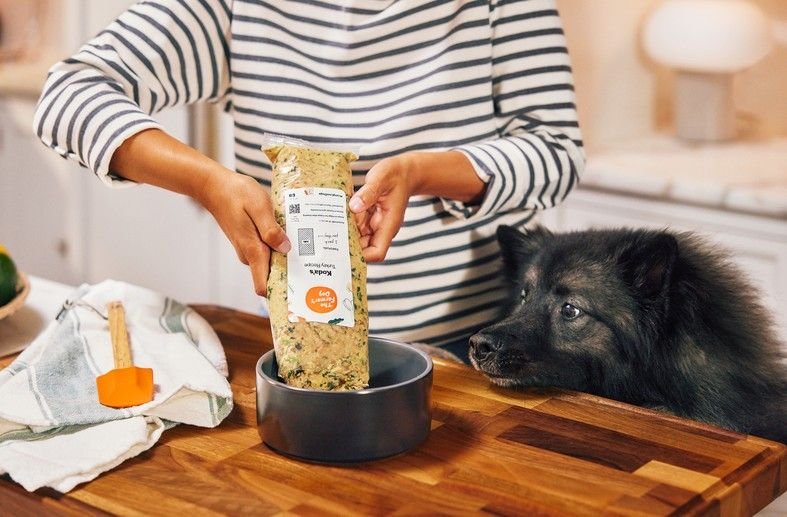
How do I explain sourcing and formulation to pet owners?
When clients ask me where this kind of food comes from and how it’s put together, I usually explain it in terms of controlled kitchens rather than factories. The ingredients are typically sourced from human-grade suppliers, which means they are handled under stricter standards than in standard pet food manufacturing.
I once walked a client through a breakdown of beef-based recipes, explaining how everything from muscle meat to organ balance is measured before cooking so the final mix stays nutritionally stable. That conversation changed how they looked at packaged pet meals entirely.
In some cases, I recommend people look into services like Farmer’s Dog’s fresh dog food delivery when their pets need consistency and portion control without the guesswork. I don’t say it as a blanket solution, but more as a reference point for what structured fresh feeding looks like in practice. I’ve seen dogs with weight issues respond better when meals are pre-portioned and ingredients are already balanced, rather than estimated at home. It eliminates much of the trial-and-error for owners who are already juggling busy routines.
The formulation process itself is something I’ve studied closely through ingredient comparisons and vet discussions. Each recipe is designed to meet complete canine nutrition standards, which means proteins, fats, fiber, and micronutrients are calculated together rather than separately. I’ve seen turkey recipes paired with lentils and spinach for fiber support, while beef blends lean more on carrots and sweet potatoes for digestibility. It’s not random mixing, and once you start comparing labels, the structure becomes easier to recognize.
What changes I’ve seen in dogs after switching to fresh ingredients
One of the most noticeable shifts I’ve observed is in energy levels and coat quality. Dogs that were previously on heavily processed kibble often show improved skin condition after a few weeks on fresh meals. I remember a small terrier mix with dull fur and frequent itching. After switching to a chicken-and-vegetable blend, the coat started looking smoother and less brittle within a month. These changes aren’t instant, but they tend to be steady.
Digestion is another area where differences become obvious fairly quickly. Fresh food tends to produce smaller, firmer stools, which many owners mention before I even ask. I’ve had conversations with people who were surprised that something as simple as removing filler-heavy ingredients could make such a visible difference in cleanup and overall comfort for the dog. It’s one of those practical changes that owners notice every single day.
Weight management also becomes easier to control with structured ingredient portions. I’ve worked with dogs that needed to lose several thousand grams over time, and having meals already balanced in calories made the process far less chaotic. Instead of guessing kibble scoops, owners follow consistent portions built around the dog’s size and activity level. That consistency often matters more than the specific protein source itself.
Behavior shifts are harder to quantify, but I’ve seen enough cases to notice a pattern. Dogs on steadier diets sometimes appear less restless or food-driven throughout the day. It doesn’t happen across every case, but when it does, owners usually mention it casually, like it’s a side effect they didn’t expect. I don’t treat it as guaranteed, but I keep it in mind when discussing dietary changes with people.
Working around fresh pet food for years has made me less interested in buzzwords and more focused on what’s actually in the bowl. When I break it down for owners, it always comes back to the same core idea: real protein, real vegetables, controlled nutrients, and careful portioning. That combination is what defines meals like Farmer’s Dog far more than any branding or packaging ever could.