
I have worked as a feline boarding assistant and in-home cat sitter for years, mostly with older rescue cats that needed daily medication. Giving a cat a pill sounds simple until you are crouched on a kitchen floor with a twenty-pound tabby twisting like a hooked fish. I learned early that most bad pilling attempts start with rushing the process. Cats notice every bit of tension in your hands.
Why Most Cats Fight the Second They See a Pill
Some cats can smell medication before the bottle is even opened. I have seen cats refuse food because one crushed tablet touched the edge of the bowl earlier that day. Their sense of smell is sharp, and many medications leave a bitter residue that lingers on your fingers longer than people realize. A cat that has had one bad experience will remember it for months.
I made that mistake with my own orange tom years ago. I tried hiding a tablet in tuna, then held him down after he spat it out. After that, he would sprint under the couch anytime he heard the pill bottle shake. Trust disappeared fast. It took nearly two weeks before he sat calmly beside me again during feeding time.
Timing matters more than people think. I usually wait until a cat has settled into a predictable part of the day, often after a meal or during a quiet afternoon nap. Trying to force medication during a high-energy moment almost always turns into wrestling. Nobody wins that way.
Short sessions help. Very short. A nervous cat reads body language better than most people give them credit for, and once they sense frustration, the whole thing becomes harder.
The Methods I Actually Use in Real Homes
I start with food whenever possible because it keeps stress low for everyone involved. Soft treats with hollow centers work well for smaller tablets, though some cats chew carefully enough to expose the pill every single time. A customer last spring had a black-and-white cat that could somehow separate a tiny tablet from cream cheese with surgical precision. We eventually switched to a compounded liquid because nothing edible fooled him twice.
There are a few pet pharmacies that make this process easier, especially for older cats taking long-term medication. I have used online pet pharmacy services to help clients refill flavored medications that were far easier to give than standard tablets from local clinics. Chicken-flavored liquids sound ridiculous until you watch a cat willingly lick medication from a spoon.
For direct pilling, I keep the setup simple. I place the cat on a stable surface, usually a couch arm or thick towel on a table, then gently tilt the head upward while supporting the jaw. The pill goes as far back on the tongue as I can safely manage before I close my mouth and stroke my throat. Then I wait. Cats are sneaky.
I learned to watch the nose. If the cat licks the nose once or twice, the pill usually goes down. If the cat suddenly looks calm too quickly, I check the floor because the tablet is often sitting beside my shoe. One cat hid pills inside his cheek for nearly a minute before spitting them into a plant pot.
Pill shooters help some people. I use them with cats that bite hard or clamp their jaws shut. The tool keeps fingers away from sharp teeth, though you still need decent aim and steady hands. The first few tries can feel awkward.
How I Handle Aggressive or Fearful Cats
Fear changes the whole situation. A frightened cat is not being dramatic or stubborn. Many of them are confused, sore, or already stressed from vet visits and unfamiliar smells around the house. I approach those cats slower than I normally would.
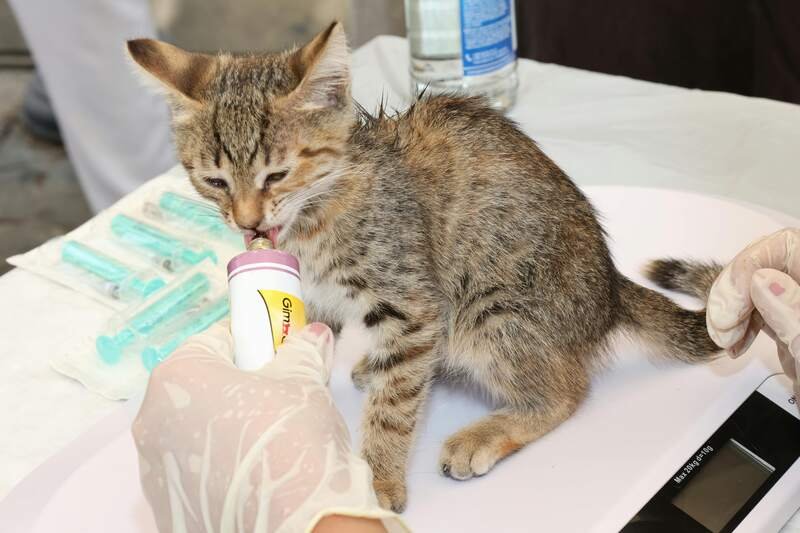
Towel wrapping works better than force. I use a thick bath towel to wrap the body snugly, leaving only the head exposed, which prevents scratching without pinning the cat harshly against the floor. Some cats settle within thirty seconds once their limbs stop flailing around. Others complain loudly the entire time.
I remember a long-haired senior cat that needed heart medication twice daily. He weighed nearly sixteen pounds and had claws like fish hooks. His owner had scratches across both arms before asking for help, and honestly, I understood why. After a few visits, I figured out he tolerated medication better while sitting beside an open window where he could watch birds outside.
Small environmental details matter. A loud television, barking dog, or slippery countertop can push an anxious cat over the edge before the pill even appears. I try to keep the room quiet and use the same location each time so the cat knows what to expect. Predictability calms many animals.
What I Avoid After Years of Trial and Error
I never crush medication without checking first. Some pills are designed to release slowly over time, and crushing them changes how the drug works inside the body. A veterinarian or pharmacist should clear that before anyone mixes medication into food. I have seen well-meaning owners accidentally create bigger health problems trying to make pills easier.
Chasing a cat through the house rarely ends well. The cat gets frightened, furniture gets knocked over, and future medication becomes even harder because now the animal associates footsteps with panic. If a session goes badly, I usually stop for ten minutes and reset the mood before trying again.
Dry pilling causes trouble, too. Some tablets can stick in a cat’s throat and cause irritation afterward, especially in smaller or senior cats that already struggle to swallow. I follow medication with a few milliliters of water from a syringe or offer wet food right after. That extra step takes maybe twenty seconds.
People underestimate how much their own stress affects the process. Cats pick up shaky movements immediately. One calm minute works better than ten frantic ones.
When I Think Owners Should Ask About Other Options
Some medications simply do not belong in pill form for certain cats. I have worked with diabetic cats, arthritic seniors, and rescues with past trauma, and sometimes the stress of daily restraint outweighs the convenience of a tablet. Transdermal medications rubbed inside the ear can help in specific situations. Liquids can help, too, though they come with their own mess.
Veterinarians have more options now than they used to. A few years ago, many clients assumed tablets were the only option because that was what the clinic handed out first. These days, compounding pharmacies can prepare tuna flavors, chicken suspensions, tiny capsules, and topical forms depending on the medication. Some cats still hate all of them, but flexibility helps.
I tell people to pay attention to behavior changes around medication time. If a cat stops eating, hides constantly, drools after dosing, or becomes aggressive out of nowhere, I consider that worth discussing with the vet instead of forcing the same routine forever. Daily medication should not feel like a cage match.
Most cats never love taking pills. Mine certainly do not. Still, with patience, decent timing, and a method that matches the individual cat, the whole process becomes manageable instead of chaotic. Some days go smoothly. Other days, you find a dissolved tablet under the refrigerator two hours later and start over.