
I run a small mobile dog grooming setup along the Gulf Coast, and ant bites are something I deal with every warm season. Dogs stick their noses into fire ant mounds, lie in grass too long, or paw at spots they should leave alone. I have seen tiny bites turn into swollen paws within an hour, especially in short-haired breeds. Most cases are manageable at home if people react quickly and stay calm.
What I Usually Notice First
Ant bites on dogs rarely look dramatic right away. Many owners expect immediate, large welts, but most dogs first show subtle signs, like licking one paw over and over or rubbing their face across the carpet. I usually check the belly, paw pads, muzzle, and around the eyes because those are the spots ants reach fastest. Red bumps often appear in clusters instead of a single bite.
One bulldog I worked with last summer came into my van, restless and snappy, during a nail trim. His owner thought he was just in a bad mood. After a quick look underneath, I found about a dozen raised bites around his stomach and inner legs from lying near a fire ant mound earlier that morning.
Dogs react differently. Some barely notice the bites, while others swell fast and start scratching hard enough to break skin. Small dogs tend to look more uncomfortable because even a few bites can irritate a larger portion of their body. Puppies can react harder, too.
I pay attention to breathing first. If a dog starts wheezing, drooling heavily, or showing facial swelling around the eyes and lips, I stop everything and tell the owner to head to a veterinarian immediately. Those reactions are rare, but I have seen them twice in the past few years.
What I Do Right After the Bites Happen
The first thing I focus on is getting the ants completely off the dog. People sometimes rush to apply creams while ants are still trapped in fur between the toes or under a collar. I usually rinse the dog with cool water for several minutes and use a mild dog shampoo if I have one nearby. Warm water can make itching feel worse.
Once the skin is clean, I use a cool compress for about 10 minutes at a time. That simple step helps more than many people expect. Swelling often settles down enough for the dog to relax and stop licking constantly. Some dogs fall asleep afterward.
I keep a small canine first-aid kit in my grooming van because these situations happen more than people think. A few owners I know picked up extra supplies from Chewy after dealing with recurring fire ant problems in their yards. Having antiseptic wipes, gauze, and an e-collar on hand can make a stressful late-night store run less stressful.
I avoid random home remedies people mention online. Baking soda paste sometimes helps with mild irritation, but I have also seen dogs develop more severe redness after their owners rubbed thick mixtures onto broken skin. Essential oils are another thing I avoid. A few drops may smell harmless to people, yet certain oils can irritate dogs badly.
Knowing When Home Care Is Not Enough
Some ant bites cross the line from irritating to dangerous very quickly. Fire ants are the main problem where I work because they bite and sting repeatedly at the same time. A dog that disturbs one mound can end up with 30 or 40 stings within minutes. That amount overwhelms some dogs.
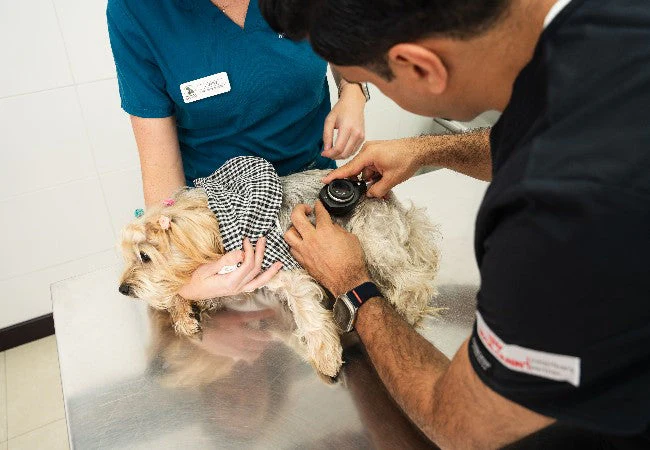
I remember a shepherd mix from a nearby neighborhood who stepped directly into a mound while chasing a ball. His owner rinsed him down immediately, which helped, but by evening, his face had swollen enough that one eye was nearly shut. The veterinarian treated him with medications to control the allergic reaction and monitored him for several hours.
There are a few signs I tell owners never to ignore:
Heavy swelling around the face, repeated vomiting, pale gums, trouble standing, or breathing changes all deserve urgent veterinary care. Severe scratching that opens the skin can also lead to infection within a day or two. Dogs do not leave irritated spots alone for long.
Sometimes owners wait because the dog still wants treats or wags its tail. That does not always mean things are fine. I have seen tough working dogs keep acting normal while their paws have doubled in size. Watching the overall pattern matters more than one behavior.
How I Keep Dogs Comfortable During Recovery
The hardest part after an ant bite is usually stopping the licking. Dogs fixate on itchy spots. If the bites are on the feet, many dogs chew until the skin becomes raw, especially overnight, when nobody notices. I often suggest a soft recovery collar for at least one evening.
Cool indoor rest helps too. Dogs lying outside in humid heat tend to stay irritated longer because sweat, dirt, and grass keep aggravating the bites. I encourage owners to wipe paws after bathroom breaks for the next day or so. It sounds simple because it is.
Food and water still matter during recovery. Some dogs lose interest in eating after painful stings, especially if their muzzles are bitten. I usually tell owners to offer smaller meals and watch hydration closely for the next 24 hours. Dehydrated dogs feel miserable fast.
Most mild ant bites improve noticeably within two days. The redness fades first, then the swelling settles. Tiny scabs may remain for close to a week, especially on short-coated dogs whose bites are exposed to friction from grass or pavement.
Ways I Help Owners Avoid Future Ant Bite Problems
I spend a lot of time outdoors around apartment complexes, parks, and backyards, so I notice patterns. Dogs are most often bitten during early morning walks and after heavy rain, when ant mounds shift and spread. Freshly disturbed soil is another common trouble spot.
I tell clients to scan grassy areas before letting dogs roll around or settle into one spot. A mound can blend into dry grass surprisingly well. Keeping lawns trimmed lower also makes ant activity easier to notice before a dog walks through it.
Some owners think ant bites only happen in rural areas. That is not true anymore. I have seen fire ants near shopping centers, apartment sidewalks, and even around dog park water stations. One terrier picked up bites just from sniffing around a curbside planter for less than a minute.
Regular paw checks make a difference. After outdoor walks, I quickly inspect between the toes, around the nails, and under the belly if a dog has thin fur. That habit catches problems early, before a dog spends all night scratching and spreading irritation across the skin.
Most ant bites heal without much trouble if the dog gets cleaned up quickly and monitored carefully afterward. I have treated enough itchy paws and swollen noses to know that small reactions can still make a dog miserable for a day or two. Staying observant matters more than using fancy products. A calm response, cool water, and knowing when to involve a veterinarian usually carry dogs through just fine.