
I’ve spent years sketching dogs for clients who want portraits that actually feel like their pets, and the cocker spaniel has always been one of the trickier breeds for me. Their long ears, soft eyes, and layered fur can go wrong in a hurry if you rush the structure. I still remember early attempts where the dog looked more like a mop with eyes. Over time, I developed a rhythm that keeps the drawing grounded before adding the personality.
Starting with Structure, Not Fur
The biggest mistake I see is people jumping straight into fluffy lines, especially with a breed like a cocker spaniel. I begin with three simple shapes: a circle for the head, an oval for the muzzle, and a longer shape that hints at the ears. These shapes don’t look like much at first, but they keep proportions honest. If the base is wrong, no amount of shading will fix it.
I usually keep my pencil pressure light for the first five minutes. It helps me erase without leaving grooves in the paper. One sketch I did last winter had to be redrawn twice because I pressed too hard early on. Since then, I treat the first layer as disposable, almost like scaffolding that will disappear later.
Pay attention to the spacing between the eyes. It matters more than people think. A small shift there can change the whole expression from gentle to startled, and cocker spaniels are known for that soft, almost pleading look.
Building the Face and Expression
Once the structure sits right, I start placing the facial features with more care. The eyes come first, always. They sit slightly lower than you might expect, and they carry most of the emotion, so I spend a good ten minutes adjusting their size and angle.
There was a time I struggled to capture that “kind” expression until I started studying references more closely, and sometimes I still look at resources like how to draw a cocker spaniel dog to double-check subtle details in breed features. It’s not about copying, but about understanding what makes this dog recognizable. That extra step has saved me from many awkward-looking sketches.
The nose is simple in shape but tricky in shading. I block it in with a flat tone first, then add small highlights to suggest moisture. Keep it understated. Too much shine makes it look like plastic.
Handling the Ears Without Overworking Them
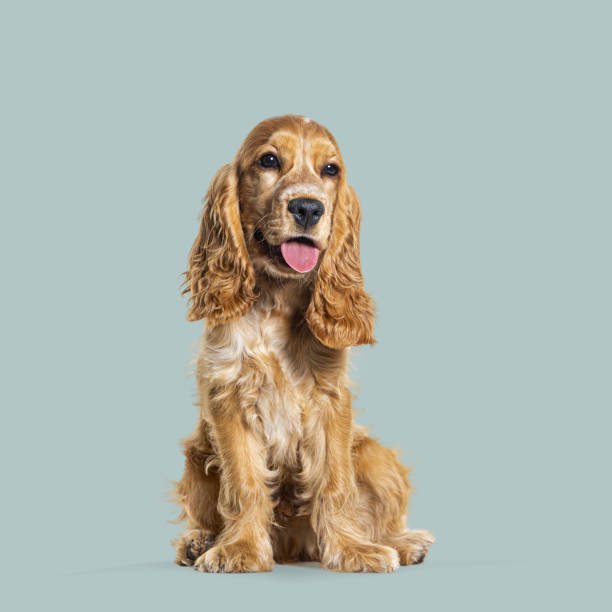
Cocker spaniel ears are where most drawings fall apart. They are long, heavy, and full of layered curls that can easily turn into visual noise. I learned to break them into sections instead of drawing every strand.
I start by outlining the outer edge in one continuous motion. It doesn’t have to be perfect. Then I divide the inner area into three or four large flow lines that guide the fur’s direction. This keeps the ear readable even from a distance.
Too many lines will ruin it. I made that mistake more times than I can count. Now I stop myself after about 20 to 30 strokes per ear and step back. If it looks balanced, I leave it alone.
Adding Fur Texture in Layers
Fur is not drawn all at once. It’s built-in passes. I usually go through three layers, starting with light strokes that follow the coat’s natural growth. These strokes are loose and spaced out.
In the second layer, I darken areas where the fur overlaps or folds. This is where the drawing begins to gain depth. I focus on the chest and ear base, since those spots often carry heavier shadows in real dogs.
The final layer is selective. I only sharpen certain strands near the face and eyes. This draws attention to the expression without making the whole drawing look busy. It’s a small trick, but it works every time.
Shading and Finishing Touches
Shading ties everything together, but it should never overpower the lines. I use a soft pencil and blend lightly with tissue in a few areas, especially under the chin and around the ears. This creates a sense of volume without muddying the details.
I usually spend around 15 minutes just refining shadows. It sounds like a lot, but this stage can make or break the drawing. One portrait I did for a client looked flat until I deepened the shadows behind the ears. Suddenly, it felt alive.
Before I stop, I erase a few highlights. Around the eyes. On the nose. Along the top of the head. These small bright spots give the drawing breathing room and keep it from looking dull.
I don’t rush the last step. A good drawing often comes from knowing when to stop, not when to add more. With cocker spaniels, restraint matters more than effort.