
I work as a mobile cat care provider, mostly handling grooming, basic health checks, and parasite-related concerns in small home setups where owners first notice something is off.
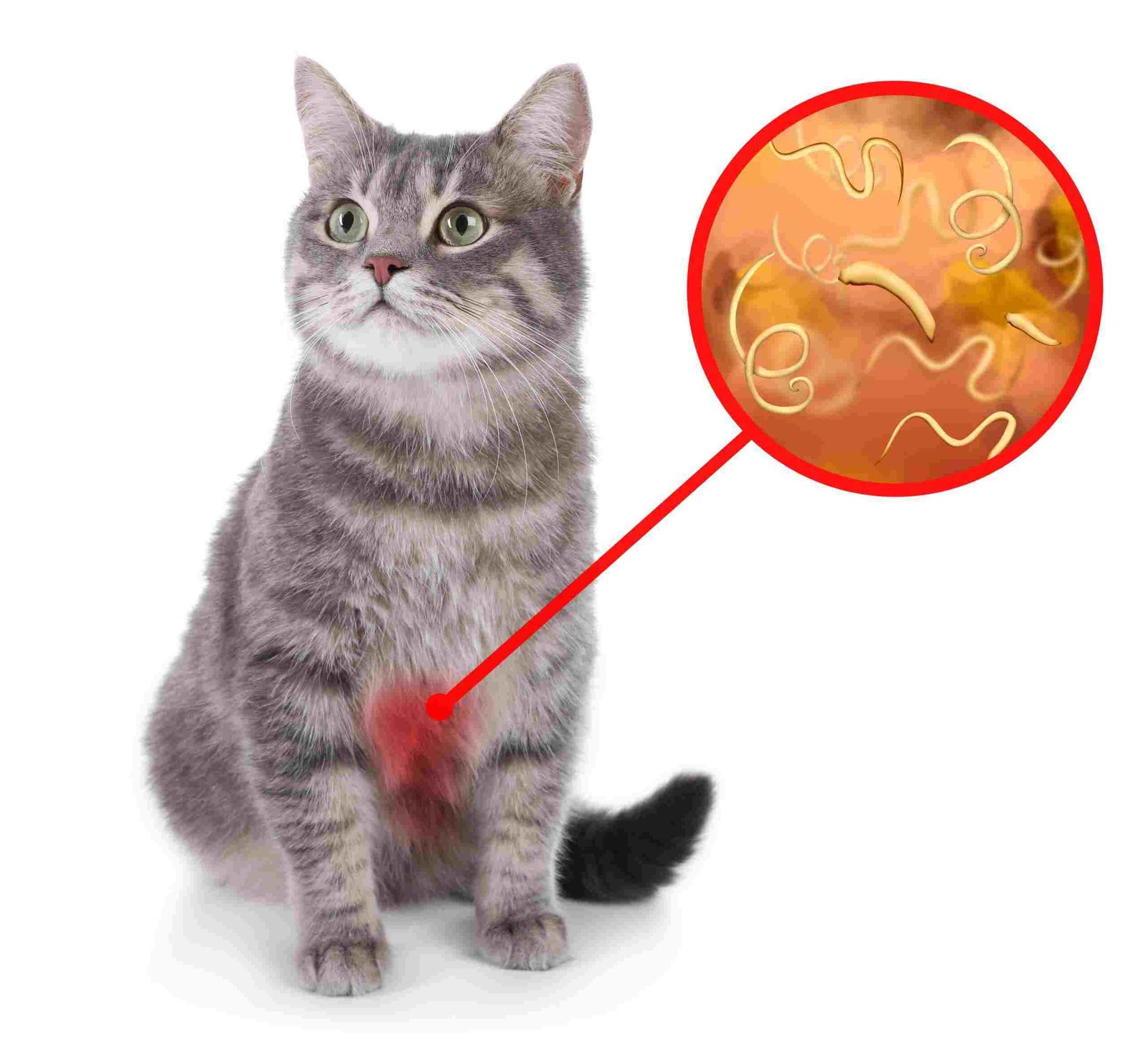
Roundworms are more common than people expect, especially in young cats or rescues that were never properly dewormed. I have seen the same pattern repeat enough times that I now recognize the early signs before owners even describe them clearly. It usually starts with small changes that seem unrelated at first.
Spotting Roundworms Before Things Get Worse
The first time I properly dealt with roundworms in a cat was during a routine grooming visit for a young stray that a family had taken in. The owner mentioned a bloated belly and occasional vomiting, but they thought it was just a diet adjustment. I had seen that combination before, and it often points toward intestinal parasites rather than simple food issues. Roundworms are common in cats with outdoor exposure or an unclear medical history.
I usually look for a few consistent signs. A dull coat, reduced appetite, and a slightly swollen abdomen often appear together. In some cases, owners report seeing worm segments in vomit or stool, which is a clear indicator, but it is not always present. Cats can carry a noticeable parasite load without obvious external signs for a while.
During one visit last spring, I worked with a rescue cat that had just come into a household with two other pets. The owner had noticed weight loss despite normal eating habits. That mismatch immediately raised my suspicions. The cat weighed just under four kilos, which was low for its age and build, and that helped confirm what I was thinking before any testing was done.
Treatment Options I Have Used in Real Cases
Once I suspect roundworms, I always recommend confirming through a vet before starting anything. Self-diagnosing parasites can easily lead to the wrong treatment. In most cases I have handled, vets prescribe a deworming medication like pyrantel pamoate or similar compounds that target intestinal roundworms specifically. These treatments are usually straightforward but must be given correctly for full effect.
In one case, I guided a client through the process while they worked with a nearby clinic. They had a multi-cat household, and infection control became just as important as treating the infected cat. The vet clinic they used was for treating roundworms in cats, which helped coordinate treatment for all pets in the home within the same week. That timing mattered more than most people realize because reinfection can happen quickly if even one animal is missed.
I have seen situations where a single dose was not enough. Some cases require a second round after two to three weeks to break the lifecycle completely. That timing is tied to how roundworms develop inside the cat’s system, and missing that follow-up window can lead to the same symptoms returning. I always tell owners to follow the schedule exactly, even if the cat seems fine after the first dose.
Supportive care also plays a role. I usually suggest keeping the cat hydrated and monitoring litter box habits closely during treatment. Mild digestive upset is common after deworming, and I have had cats that temporarily reduced their food intake for a day or two before returning to normal behavior.
Cleaning the Environment to Stop Reinfection
This is the part people underestimate. Treating the cat is only half the process. Roundworm eggs can survive in the environment for a long time, especially in bedding, litter areas, and soft surfaces that are not cleaned properly. I have seen cases where treatment worked perfectly, but the cat picked up the infection again within weeks because the environment was not handled carefully.
During one home visit, I worked with a household that had three indoor cats sharing the same living space. After the first treatment round, I spent time going over cleaning habits with the owner. They had been doing basic litter scooping, but not deep cleaning the surrounding area. That small gap was enough for eggs to remain in circulation and cause reinfection cycles.
I usually recommend focusing on litter boxes first. Hot water cleaning and safe disinfectants help reduce contamination, though no home method is perfect against all parasite stages. Washing bedding at high temperatures also helps reduce risk. In multi-cat homes, separating litter areas temporarily can reduce cross-contamination during treatment.
Hand hygiene matters more than people expect. Roundworm eggs are not visible, and they can be transferred indirectly through surfaces. I have made it a habit to remind owners to wash their hands after handling litter or contaminated areas, especially when children are in the home. It is a simple step, but it breaks a common transmission route.
Preventing Roundworms From Coming Back
Prevention is where most long-term success happens. I usually see fewer repeat cases in homes that stick to regular deworming schedules. Outdoor cats are at higher risk because they come into contact with soil and prey animals that can carry parasite eggs. Indoor cats are not completely safe either, especially if they live with other pets that go outside.
One long-term client I worked with kept a strict preventive schedule after their first roundworm case. They had two indoor-outdoor cats, and after adjusting their routine, they only needed occasional check-ins instead of repeated treatments. The key change was consistency, not complexity.
Diet and general health also matter. Cats with weaker immune systems or poor nutrition tend to struggle more with parasite loads. I have seen better recovery outcomes in cats that were already on balanced diets and maintained steady weight. That does not prevent infection entirely, but it helps them better handle treatment.
Routine vet visits are still the most reliable safeguard. Even when no symptoms are visible, periodic stool checks can catch early infections before they escalate. I have seen too many cases where owners only noticed the problem once weight loss or vomiting became obvious, which usually means the worms had been present for a while.
Working around roundworm cases has taught me that timing and consistency matter more than anything else. The treatment itself is usually simple, but the follow-through determines whether the cat stays clear or ends up cycling through infection again. Most owners I work with are surprised by how manageable it becomes once the process is properly understood and followed through without gaps.