
Plant-related scares are common in my work, running a mobile veterinary assistant service and a cat boarding space. Bleeding hearts come up more often than people expect, usually after someone spots them in a shaded garden and wonders if their cat has been chewing nearby leaves.
I have had more than a few late afternoon calls where panic set in over a plant that looked harmless at first glance. My experience has taught me that the concern is valid, even if the outcome is not always severe.
What Bleeding Hearts Actually Do to Cats
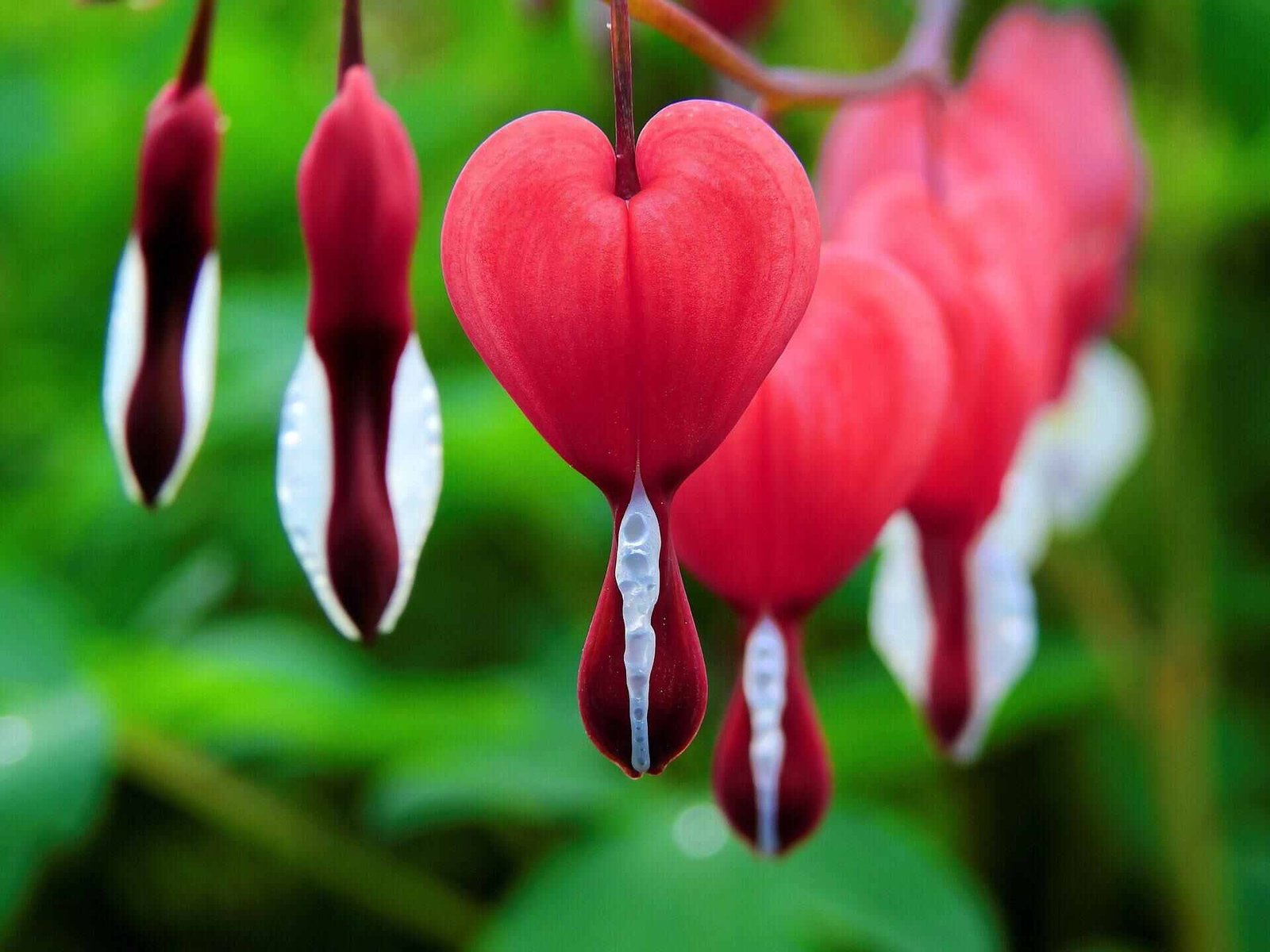
Bleeding hearts (Dicentra spectabilis) contain isoquinoline alkaloids affecting cats’ digestion and nerves. After seeing several cases, I know the plant rarely causes severe issues with small exposures, but even mild reactions can alarm owners.
Most cases involve mild gastrointestinal upset. A few leaves may cause drooling, reduced appetite, or vomiting that resolves without complications. Cats often show symptoms quickly, which can unsettle owners.
The toxicity level is debated among gardeners and pet owners. Some treat bleeding hearts as low-risk, while others avoid planting them near animals entirely. My own view is that it sits in the middle, after seeing enough cases to know that sensitivity varies widely from one cat to another, especially in younger or more curious animals.
There is also the issue of quantity. A small nibble from a single leaf is very different from repeated chewing over time. I once dealt with a boarding situation in which a cat managed to access a decorative pot for nearly an hour before anyone noticed, and that level of exposure made the symptoms more pronounced than in a typical brief encounter.
How Exposure Usually Shows Up in Real Homes
Symptoms of exposure are not always immediate. Key takeaway: Monitor for vomiting, lethargy, or behavior changes for several hours, since delayed symptoms are common. Both the quantity eaten and the cat’s sensitivity matter.
In some cases, people only realize something is wrong after noticing unusual behavior, such as hiding or excessive grooming of the mouth area. I remember a small apartment case where a cat began acting restless after exploring a balcony garden filled with ornamental plants. That situation led me to recommend checking local veterinary advice resources, like whether bleeding hearts are poisonous to cats, because quick guidance can help distinguish mild irritation from something more serious. Having access to reliable information at the right moment can calm the situation before it escalates unnecessarily.
Common signs I watch for after exposure are drooling, vomiting within hours, mild lethargy or hiding, and a drop in appetite.
Not every cat shows all of these. Some only show one. I have seen cats that act almost normal, except for a slightly reduced appetite, which can be easy to miss if you are not paying close attention. One case involved a 12-pound indoor cat that showed only subtle behavioral changes for half a day before fully recovering without treatment beyond observation.
There is also a seasonal pattern I have noticed. Spring and early summer tend to bring more cases simply because that is when bleeding hearts are in bloom, and people spend more time opening windows and letting pets explore garden spaces. That overlap creates more accidental exposure opportunities than most owners expect.
What I Do When a Cat Is Suspected of Eating Bleeding Hearts
I always try to confirm exposure by identifying the plant, estimating how much was eaten, and when it happened. People sometimes describe their garden or show photos to help.
After estimating exposure, I monitor cats unless symptoms are strong. I keep them calm and away from plants or food that might cause further issues, and avoid treating without the full picture.
If symptoms worsen or do not improve within a few hours, I suggest contacting a veterinary clinic directly. I have had a few cases where that step prevented unnecessary complications, especially when cats were younger or already had sensitive stomachs. Cats under 2 years old sometimes react more dramatically, even to small exposures.
Here is the quick assessment approach I usually rely on:
– Estimated amount eaten
– Time since exposure
– Current behavior changes
– Access to other plants or toxins
This keeps decisions grounded instead of reactive. It also helps owners feel more in control of the situation rather than overwhelmed by uncertainty. A clear structure makes it easier to decide whether home monitoring is sufficient or whether professional care is needed.
Prevention That Actually Works in Real Homes
Most bleeding heart exposure cases I have handled could have been avoided with simple placement choices. I have seen people plant them right along garden edges where indoor cats easily reach through open windows or patio gaps. That kind of setup almost invites nibbling driven by curiosity.
One of my clients last summer had a shaded backyard filled with ornamental plants and several free-roaming cats. After repeated minor incidents, they worked with a local nursery consultant and reorganized their garden layout to move risky plants further from accessible areas. That type of adjustment significantly reduced issues over the following months without requiring the removal of every decorative plant.
Indoor plant management matters just as much. I often recommend keeping potentially irritating plants completely out of reach or choosing safer alternatives for indoor decoration. Bleeding hearts are not commonly indoor plants, but cut arrangements can still end up in vases within a cat’s reach.
Supervision is important since curious cats may investigate new plants. Even homes without issues can see incidents when a new plant arrives.
I do not treat bleeding hearts as a high-risk, fatal toxin in most situations, but I also do not dismiss them as harmless. The reality sits in between those extremes. A cat that avoids the plant entirely will never have an issue, while a curious chewer might end up with a few uncomfortable hours that could have been prevented with simple awareness and placement choices.