
Dogs can vomit for many reasons, and it often worries owners right away. Sometimes it is something minor like eating too fast. Other times, it may point to a bigger issue. Knowing how to react can make a big difference. Quick and calm action helps your dog feel better.
Common Reasons Why Dogs Vomit
Dogs vomit more often than many other pets. Their stomachs can react to small changes. Eating spoiled food or garbage is one of the most common causes. Some dogs also vomit after eating grass or unfamiliar items.
Infections can also trigger vomiting. Viruses and bacteria upset the stomach lining. Parasites are another possible cause, especially in younger dogs. Even stress or sudden changes in routine can lead to an upset stomach.
Food allergies or intolerance may play a role. A dog might react badly to a new diet. Fatty foods are a common trigger. One small mistake can lead to a mess.
Serious conditions exist, too. These include pancreatitis, kidney issues, or digestive tract blockages. Vomiting that happens more than 3 times in one day may signal something deeper. Pay attention to patterns.
Immediate Steps You Should Take
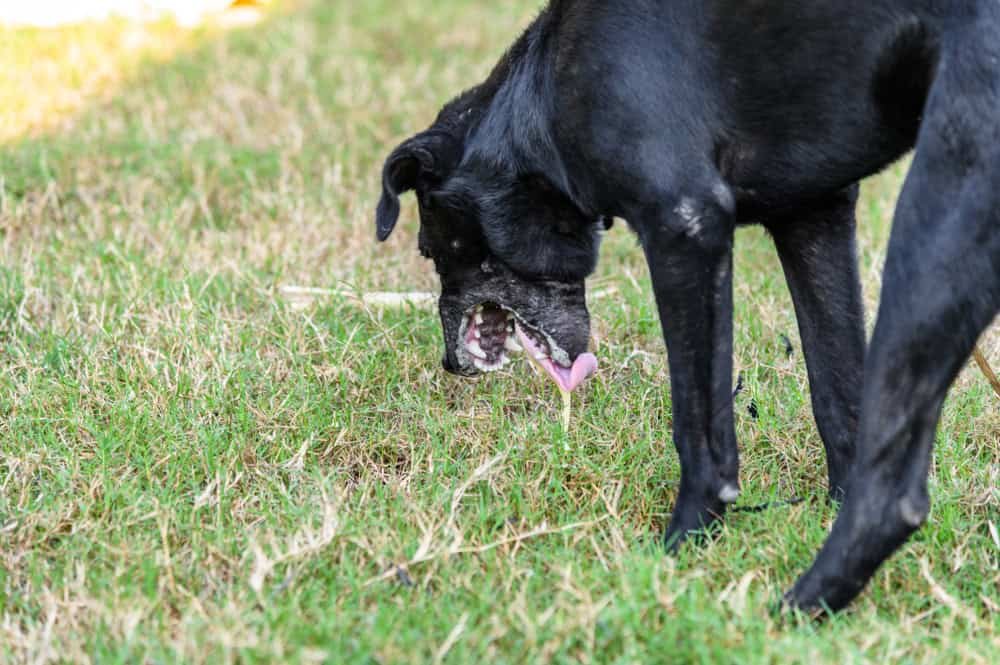
When your dog starts vomiting, stay calm and observe closely. Remove food for about 12 hours in adult dogs to let the stomach rest. Water should still be available, but give small amounts at a time. Too much water can trigger more vomiting.
Many pet owners look for trusted advice online, and helpful guides like what to do if your dog is puking can provide clear direction when you are unsure about the next step.
After the fasting period, introduce bland food slowly. Boiled chicken and plain rice are good options. Start with small portions. Watch how your dog reacts over the next 24 hours.
Keep your dog in a quiet place. Movement and stress can make things worse. Rest is important. Give them time.
Warning Signs That Need Attention
Some symptoms require quick action. Vomiting combined with blood is serious. Bright red or dark material in vomit should not be ignored. It may signal internal bleeding.
Repeated vomiting over several hours is another concern. If your dog cannot keep water down, dehydration becomes a risk. Dry gums and low energy are signs of this problem. It can get worse fast.
Watch for other symptoms. These include fever, diarrhea, or sudden weakness. A dog that refuses to move or eat for more than 24 hours needs help. Do not wait too long.
Young puppies and older dogs are more vulnerable. Their bodies cannot handle stress as well. Even mild vomiting can affect them quickly. Extra care is needed.
Home Care Tips to Support Recovery
Simple at-home care can help many dogs recover. Clean water should always be available. Fresh water helps prevent dehydration. Small sips work best.
Food should be light and easy to digest. Avoid treats or table scraps for a few days. Stick to basic meals. This gives the stomach time to heal.
Here are some helpful tips to follow:
– Feed small portions every 4 hours
– Keep the feeding area calm and quiet
– Avoid sudden diet changes
– Monitor stool and behavior daily
Hygiene matters too. Clean any vomit quickly to prevent your dog from eating it again. Wash food bowls daily. These small steps help prevent further issues.
Recovery takes time. Some dogs bounce back in a day. Others may need 2 or 3 days to feel normal again. Patience helps a lot.
When to Visit the Veterinarian
Some situations require professional help. If vomiting lasts more than 24 hours, a vet visit is wise. Chronic vomiting is never normal. It needs a proper diagnosis.
Blockages are a serious concern. Dogs sometimes swallow toys, bones, or plastic. These objects can block the digestive system. Surgery may be required in severe cases.
Blood tests or scans may be needed. These help identify infections or organ issues. Early treatment improves recovery chances. Delays can make things worse.
Medication may be prescribed. Anti-nausea drugs or fluids can help stabilize your dog. Follow the vet’s advice carefully. Each case is different.
Vomiting in dogs can range from mild to serious, and understanding how to respond quickly while watching for warning signs helps protect your pet and ensures they recover safely without unnecessary complications.