
Many dog owners turn to common medications when their pets show signs of allergies. One such option is Benadryl, a drug often used to relieve itching and swelling. While it is widely available, giving it to dogs requires care. The right dosage depends on weight, health, and the reason for use. Understanding safe limits helps protect your dog from harm.
Understanding Benadryl and How It Affects Dogs
Benadryl contains diphenhydramine, an antihistamine that reduces allergic reactions. It works by blocking histamines in the body. Dogs may take it for insect bites, skin irritation, or seasonal allergies. The effects usually begin within 30 to 60 minutes. Some dogs become calm or sleepy after taking it.
Not every dog reacts the same way. Age, size, and overall health can change how the drug works. A 50 lb dog may tolerate it well, but a smaller or older dog might need a different approach. Always observe your dog after giving any medication. Small changes can signal bigger issues.
Side effects can happen. These may include dry mouth, drowsiness, or mild stomach upset. In rare cases, dogs may become excited instead of calm. That can be surprising. Watching your dog closely helps you respond quickly if something feels off.
Recommended Dosage for a 50 lb Dog
The common guideline for Benadryl in dogs is about 1 milligram per pound of body weight. For a 50 lb dog, this usually means around 50 milligrams per dose. This dose can be given two to three times in 24 hours, depending on the situation. Timing matters a lot.
Many pet owners search for reliable advice and often refer to helpful resources like How Much Benadryl Can I Give My 50 lb Dog? ” to better understand safe usage and avoid common mistakes when giving medication at home.
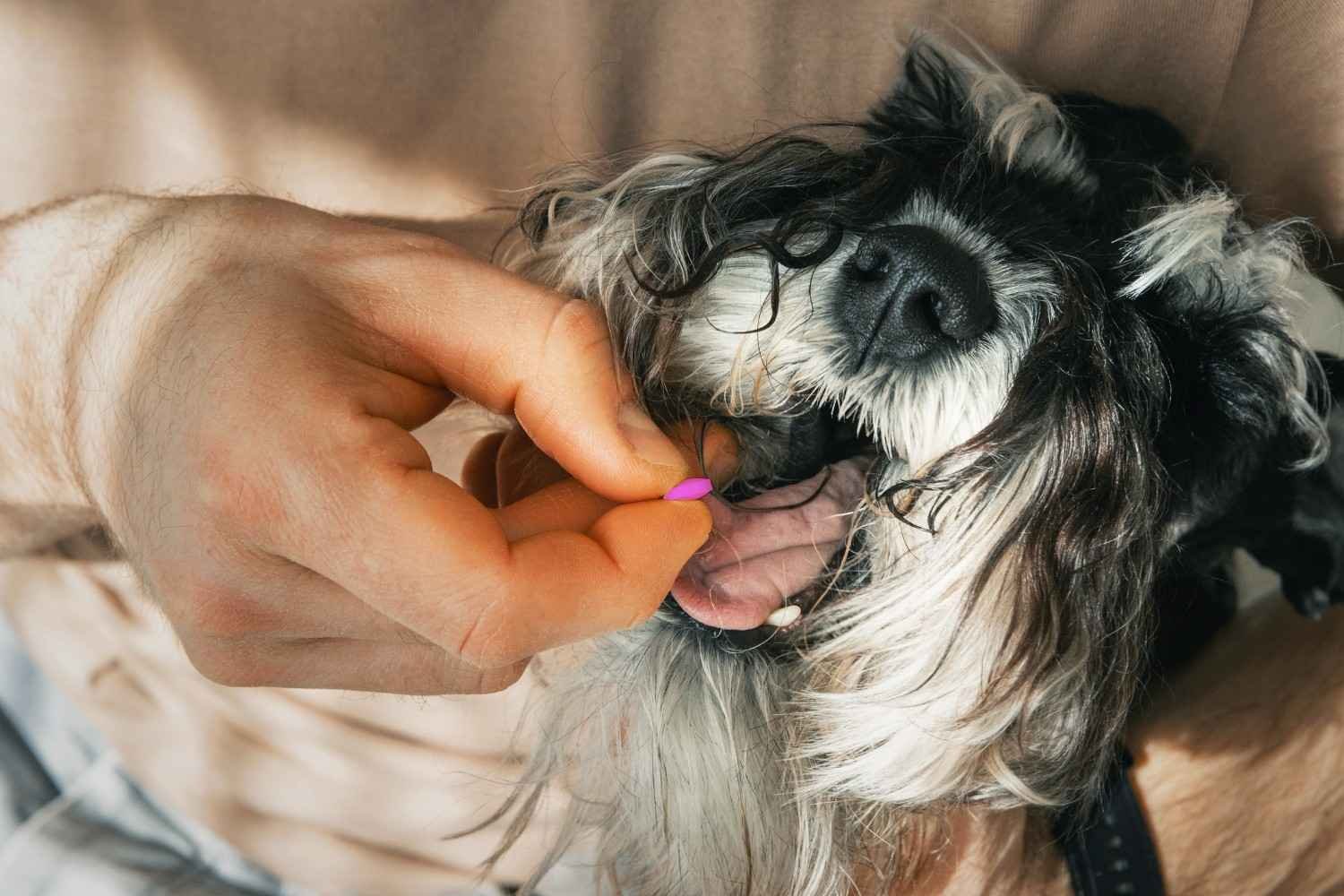
Benadryl tablets often come in 25 mg sizes. This means a 50 lb dog might take two tablets per dose. Liquid forms exist as well, but they must be measured carefully. Some liquids contain alcohol or added ingredients that are not safe for dogs. Always check the label before use.
Consistency is important. Giving too much can lead to serious side effects, while giving too little may not help at all. Stick to a regular schedule if multiple doses are needed. A simple routine helps avoid confusion.
When Benadryl Is Helpful for Dogs
Benadryl is commonly used for mild allergic reactions. Dogs with itchy skin or redness may benefit from it. It can also help reduce swelling from insect stings. Some veterinarians suggest it before vaccinations to reduce mild reactions. It has many uses.
Travel anxiety is another situation where Benadryl may help. Some dogs become nervous in cars or new environments. The calming effect can make travel easier for both the pet and the owner. Not all dogs respond this way, though.
Seasonal allergies affect many dogs. Pollen, dust, and grass can cause discomfort. Giving Benadryl during allergy season may provide relief. Still, long-term use should be discussed with a veterinarian. Short-term use is usually safer.
Benadryl does not treat severe reactions. If a dog shows signs such as difficulty breathing or severe swelling, immediate veterinary care is needed. Quick action can save a life. Do not rely on home treatment in emergencies.
Precautions and Safety Tips
Before giving Benadryl, check your dog’s health history. Dogs with certain conditions may not tolerate it well. These include glaucoma, heart disease, and high blood pressure. A quick vet call can provide guidance.
Some medications interact with Benadryl. Mixing drugs without proper advice can cause harm. Always review any current treatments your dog is receiving. This step is often overlooked.
Watch for unusual reactions. These may include vomiting, diarrhea, or extreme drowsiness. If symptoms appear, stop the medication and seek help. Quick response matters.
Here are a few safety tips to remember:
– Use plain Benadryl without added ingredients
– Measure doses carefully each time
– Keep medication out of reach
– Follow a consistent schedule
Proper storage is also important. Keep tablets in a cool, dry place. Liquid forms should be sealed tightly. This prevents contamination and maintains effectiveness.
When to Talk to a Veterinarian
Even though Benadryl is common, expert advice is still valuable. A veterinarian can confirm the correct dosage based on your dog’s needs. They may adjust the amount slightly depending on the situation. Each case is different.
If your dog has never taken Benadryl before, start with caution. Give a single dose and monitor the response. This helps you understand how your dog reacts. Slow introduction is safer.
Chronic conditions require special care. Dogs with ongoing allergies may need other treatments. Benadryl might only provide temporary relief. Long-term plans should involve professional guidance.
Emergency symptoms should never be ignored. Difficulty breathing, severe swelling, or collapse needs immediate care. Time matters in these cases. Do not wait.
Giving Benadryl to a 50 lb dog can be safe when done correctly, but attention to dosage, timing, and your dog’s individual health makes all the difference in keeping your pet comfortable and protected.