
Almond oil is common in human skincare and hair care. Some pet owners wonder if it is safe for cats. The appeal is its natural origin and soft texture. However, cats have biological systems that differ from those of humans, making safety a key concern.
What Almond Oil Is and Why It Is Used
Almond oil, extracted from almonds, moisturizes skin and contains fatty acids and vitamin E. It is used for dry skin, hair care, and massages. Its mild scent makes it popular in natural care.
There are two main types: sweet almond oil and bitter almond oil. Sweet almond oil is the one commonly used in cosmetics. Bitter almond oil can contain toxic compounds if not processed properly. This difference matters when discussing pets.
Cats are curious animals and may lick anything applied to their fur. This is one reason owners must be careful with topical products. Even natural substances can become harmful if ingested repeatedly. Their livers process compounds differently from human livers.
Skin absorption is another factor. Oils can enter the skin and may affect internal systems over time. While this is slow, it still matters in the long term. Cats are sensitive creatures.
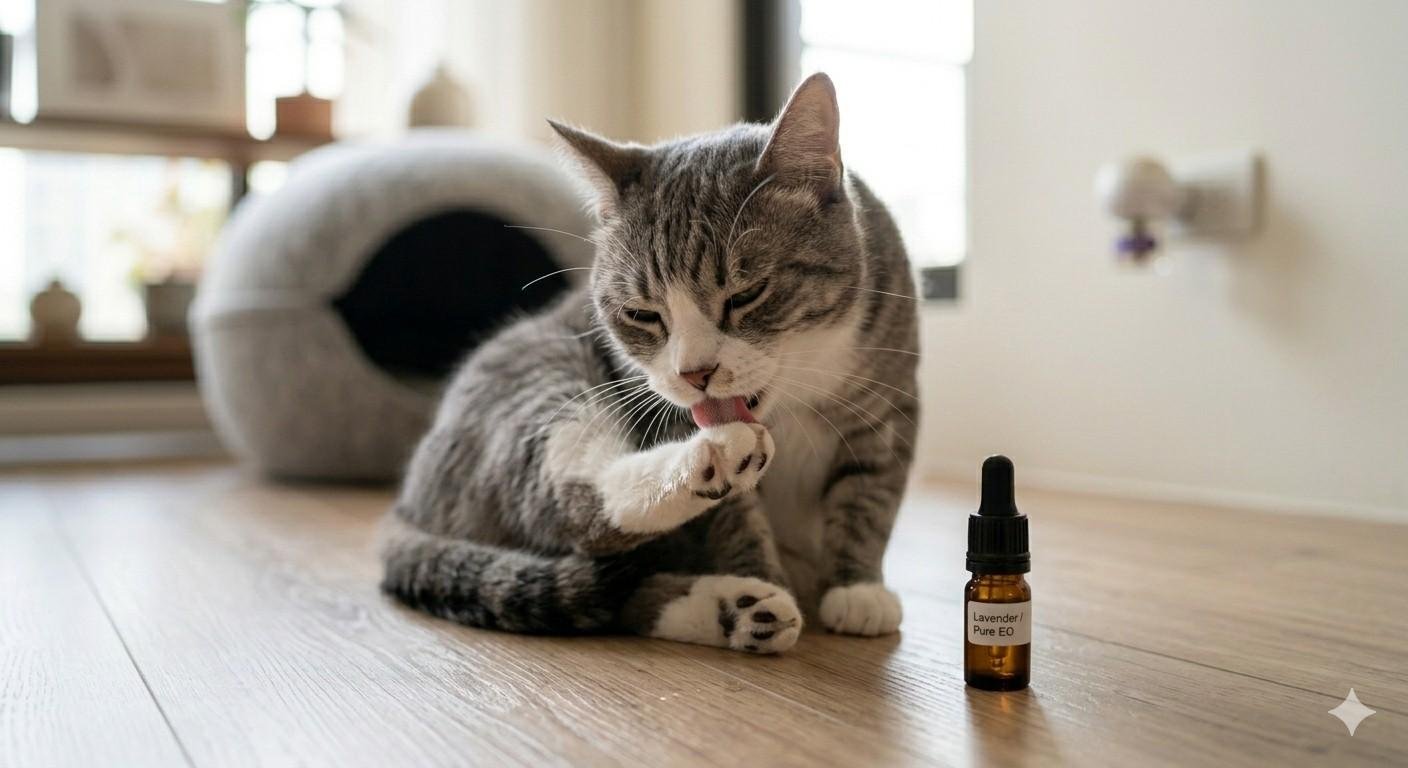
Given these factors, let’s explore the question: Is almond oil safe for cats?
Almond oil is sometimes considered low-risk in small amounts, but ingestion remains a concern, as cats groom themselves and may swallow the oil.
Many pet owners search for trusted guidance, such as “Is almond oil safe for cats?” It is important to carefully check how different oils can affect pets and to follow specific precautions before applying any carrier oil to animals.
Even small amounts of almond oil can cause mild stomach upset in some cats, such as vomiting or loose stool. Sensitivity varies.
Bitter almond oil should never be used on pets due to potential toxic compounds. Sweet almond oil is less harmful but is not recommended for frequent application. The main recommendation is to use caution with all almond oils and prioritize your cat’s safety.
Cats have a limited ability to process certain fats. Their liver enzymes are not designed for some plant-based oils. This makes even natural oils a possible risk if used without guidance. Veterinary advice is always better.
Possible Risks of Using Almond Oil on Cats
The most common risk is digestive upset. Cats lick their fur often, so any oil applied externally can be swallowed. This leads to nausea or vomiting in some cases. Repeated exposure increases the risk.
Another concern is allergic reaction. Some cats may develop skin irritation after contact with almond oil. Redness or itching can appear within hours. This depends on individual sensitivity.
Oily buildup on fur can also attract dirt. This may cause discomfort and affect grooming habits. Cats prefer clean fur and may over-groom to remove residue. This can lead to hair loss in some cases.
In rare cases, prolonged exposure to oils unsuitable for pets may affect liver function. This is not common, but should not be ignored. Cats are small animals, so small changes matter more than they do with larger pets.
Always observe behavior after using any new product. Changes in appetite, energy level, or grooming habits can signal a problem. Early attention prevents complications.
Safer Alternatives for Cat Skin Care
Instead of almond oil, veterinarians often recommend products made specifically for cats. These are tested for safety and formulated to meet feline skin needs. Human oils are not always suitable.
Specialized pet shampoos are a safer choice for dry skin. They are designed to clean without causing irritation. Some also include soothing ingredients approved for animals. This reduces risk significantly.
Omega-3 supplements from fish oil are sometimes used under veterinary guidance. These support skin and coat health from the inside. They are more suitable than topical oils in many cases. Proper dosage is important.
Simple grooming also helps. Regular brushing removes dirt and spreads natural oils on the skin. This keeps the coat healthy without extra products. Clean habits matter.
Fresh water and a balanced diet also improve skin condition. Nutrition plays a bigger role than external oils. Healthy food leads to healthier fur. This is often overlooked.
When to Ask a Veterinarian
If you are unsure about using almond oil, consult a veterinarian first. The recommended action is to seek professional advice before trying new products. Cats can react differently to the same substance.
If your cat shows symptoms after exposure, seek help quickly. Vomiting, diarrhea, or skin irritation should not be ignored. Early treatment prevents complications. Quick action is important.
Veterinarians can suggest safer skincare options based on your cat’s condition. Each cat has unique needs. Age, health, and lifestyle all matter. Personalized care works best.
Never rely only on online advice for medical decisions. Every cat is different. What works for one may harm another. Professional evaluation ensures safety.
Almond oil may seem natural and harmless, but cats have sensitive systems that can react differently to many plant-based oils. Always consult your veterinarian before introducing any new product, as their guidance is essential to ensure your cat’s safety.