
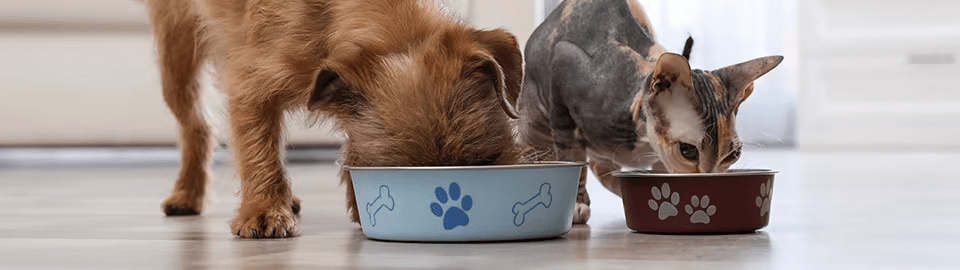
Many households have both cats and dogs, leading to one recurring issue: dogs are drawn to cat food and often eat dry kibble left in bowls. This situation prompts an important question for pet owners: Is dry cat food safe for dogs? Answering this clearly will help you protect your dog’s health and avoid long-term problems.
Why Dogs Are Attracted to Cat Food
Dogs are naturally curious eaters, and they tend to explore anything that smells strong or different. Cat food usually has a richer scent because it contains higher levels of protein and fat. This makes it more appealing to dogs compared to their regular food. Smell drives behavior.
Another reason is taste. Cat food is designed for carnivores, so it often includes more meat-based ingredients. Dogs enjoy this flavor, which can make them ignore their own food. Even a well-fed dog may try to sneak cat food when given the chance.
Feeding habits also play a role. If cat food is left out all day, dogs may see it as an easy snack. This can quickly become a habit, especially in multi-pet homes where supervision is limited.
Is Dry Cat Food Safe for Dogs?
Dogs can eat dry cat food occasionally without immediate harm, but it is not suitable for regular feeding. Cat food contains higher levels of protein and fat, which can upset a dog’s digestive system if consumed in large amounts. Small bites may not cause issues, yet repeated intake can lead to health problems.
Many pet owners look for reliable information from sources like “Can my dog eat dry cat food?” to better understand the risks and nutritional differences. These guides explain why cat food is not balanced for dogs. Dogs need a different nutrient mix to stay healthy. Their bodies work differently.
Feeding cat food regularly may lead to weight gain, digestive upset, or even pancreatitis. This condition can be serious and may require veterinary treatment. Moderation is key.
Nutritional Differences Between Dog and Cat Food
Dog food and cat food are formulated for different species with unique dietary needs. Cats require more protein because they are obligate carnivores. Dogs, on the other hand, are omnivores and need a balanced diet that includes proteins, carbohydrates, and fats.
Cat food often contains around 30 to 40 percent protein, while dog food usually contains about 18 to 25 percent. This difference may not seem large, but it affects how the body processes nutrients over time. High protein intake can strain a dog’s system if it becomes a regular habit.
Fat content is another concern. Cat food tends to be higher in fat, which increases calorie intake. Over time, this can lead to obesity, especially in less active dogs. Balance matters.
Possible Health Risks of Eating Cat Food
Eating cat food once or twice is unlikely to harm your dog, but repeated exposure can cause issues. Digestive problems are among the most common, including diarrhea or vomiting. These symptoms may appear within a few hours after eating.
More serious risks develop over time. A diet too high in fat can lead to pancreatitis, a painful condition that affects digestion. Dogs with sensitive stomachs or existing health issues are at higher risk. Even healthy dogs can develop problems if the habit continues.
Weight gain is another concern. Cat food is calorie-dense, meaning small portions contain a lot of energy. If your dog eats it regularly, it may consume more calories than needed, leading to gradual weight gain over weeks or months.
How to Prevent Dogs from Eating Cat Food
Preventing access to cat food is the best way to avoid problems. Start by placing the cat’s food bowl in a location your dog cannot reach. Elevated surfaces or separate rooms can help keep feeding areas apart. Simple changes work.
Here are a few practical tips to manage feeding time:
– Feed pets in separate areas
– Remove leftover cat food after meals
– Use baby gates to block access
– Train your dog with basic commands like “leave it.”
– Monitor feeding times closely
Consistency is important. If your dog learns that cat food is off-limits, it will stop trying to access it over time. Training and routine help build better habits.
When to Contact a Veterinarian
If your dog eats a large amount of cat food and shows symptoms like vomiting, diarrhea, or unusual behavior, contact a veterinarian. Early advice can prevent complications. Pay attention to changes.
Dogs with health conditions such as obesity or digestive disorders may react more strongly to cat food. In these cases, even small amounts can cause discomfort. Keep a close eye on your dog’s condition after any accidental intake.
Regular checkups can also help detect issues early. If your dog has been eating cat food frequently, a vet can assess its health and suggest dietary adjustments. Professional guidance makes a difference.
Sharing a home with both cats and dogs can create small challenges, especially during feeding time. While an occasional bite of dry cat food may not harm your dog, regular consumption can lead to health issues. Keeping meals separate and maintaining a proper diet helps your dog stay active, balanced, and healthy.