
Feral cats often struggle to find safe, warm places to sleep. Building a shelter gives them a secure, dry, and insulated space, improving their quality of life and protecting them from predators and harsh weather. Many people want to help these animals but are unsure how to start.
Choosing the Right Location for a Shelter
Location is the first consideration when building a feral cat shelter. It should be in a quiet place, away from busy streets and loud noises. Cats prefer areas where they feel hidden and secure, like near bushes or under porches. Avoid placing the shelter in direct sunlight, as it can become too hot during the summer months. A sheltered corner that blocks wind and rain is ideal.
For more detailed guidance on placement and materials, there are resources available that explain how to build a feral cat shelter effectively. These resources provide step-by-step instructions for choosing the best location, selecting materials, and properly assembling the shelter. They also discuss ways to keep cats safe from other animals and extreme weather conditions.
Proximity to food and water is important. Cats will use the shelter more if it is near where they are regularly fed. At the same time, it should be out of plain sight to prevent disturbances from humans or other animals. Consider accessibility for cleaning the shelter as well.
Think about safety first. Avoid areas with heavy foot traffic or where dogs frequently roam. A secure spot encourages consistent use and protects the cats.
Materials Needed for a Feral Cat Shelter
Durable and weather-resistant materials are essential for a long-lasting shelter. Common options include plastic storage bins, Styrofoam coolers, wood, or large cardboard boxes for temporary solutions. Insulation is key to keeping cats warm during winter. Straw is recommended because it resists moisture and provides excellent warmth. Avoid using blankets or towels as they can absorb moisture and freeze.
Creating a small entrance helps retain heat. A tunnel-like entry can block wind while allowing the cat to enter and exit easily. Make sure the entrance is just large enough for the cat to fit comfortably. Adding a flap or door can further improve insulation. Use materials that are easy to clean and can be replaced if necessary.
Add a raised floor inside the shelter, using wooden pallets, foam boards, or other non-porous materials. This prevents cats from lying on a cold, wet surface and provides a dry, insulated resting area.
Step-by-Step Shelter Construction
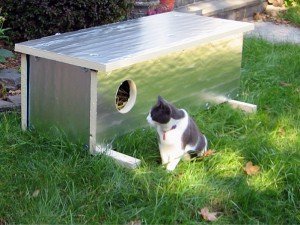
Begin by choosing the main structure, such as a plastic bin or wooden crate. Cut an entrance hole just large enough for a cat. Make sure edges are smooth to avoid injuries. Adding a small vestibule or tunnel can help keep wind and rain out. Ensure the shelter is stable and will not tip over easily.
Insulate the inside with straw or foam. Avoid materials that retain moisture. Straw provides warmth and remains dry even if the exterior gets wet. Line the floor with about 3 to 4 inches of straw. Check regularly and replace when it becomes dirty or flattened.
Cover the shelter to protect it from rain and snow. A small overhang or slanted roof can prevent water from entering. Weatherproof tape or waterproof paint can also add protection. Make sure ventilation is still possible to prevent overheating. A good shelter balances protection with airflow.
Place the shelter at your chosen location and observe its use. Cats may take time to explore a new shelter. Avoid forcing them inside. Leave food nearby to encourage them to use it. Frequent visits may stress them out, so patience is important.
Maintaining and Monitoring the Shelter
Regular maintenance keeps the shelter clean and inviting. Replace straw at least once a month during cold seasons or when it becomes wet. Check for signs of wear or damage. Small repairs can prevent the need for a full replacement. Hygiene is essential to prevent illness among the cats.
Monitor usage to understand the needs of your local feral cats. Note how many cats use it and if it is sufficient for their number. You may need to build additional shelters if the area has many cats. Observing behavior helps in providing better support. Always respect their space.
In summary, check on the shelter during extreme conditions to add insulation or move it if needed. Make sure food and water are always accessible and provide regular care to maintain safety and comfort for the cats.
Keep a record of your observations. This can help in planning additional shelters or feeding areas. Being organized improves your efforts and benefits the cats.
Additional Tips for Supporting Feral Cats
Building a shelter is just one way to help. Providing consistent food and water nearby increases the chances that cats will use it. Avoid sudden changes to feeding schedules, as it can stress the cats. Observe from a distance to minimize interference.
Trap-Neuter-Return (TNR) programs are highly recommended for feral cat populations. Sterilized cats are healthier and reduce overpopulation. A TNR program combined with shelters helps create a stable and safe environment. Community involvement can enhance these efforts.
Keep the area safe from predators and hazards. Remove toxic plants, chemicals, and other hazardous items from around the shelter. A safe environment encourages consistent use. Consider natural barriers or fencing to protect the cats. Safety improves their overall well-being.
Documenting your work can inspire others. Sharing experiences on social media or community boards encourages more people to help feral cats. Knowledge spreads quickly and can improve conditions in your neighborhood.
In conclusion, to best support feral cats, focus on thoughtful planning, patient setup, and ongoing maintenance. Small improvements in shelter design and care significantly benefit these animals and make a lasting positive impact in your community.