
A Veterinarian’s Honest Take
I’ve lost count of how many times a client has asked me this while holding a half-eaten packet of cheese crackers and a hopeful-looking dog at their feet. As a practicing small-animal veterinarian for over a decade, I understand the instinct. You’re snacking, your dog is staring, and sharing feels harmless.
But cheese crackers fall into that gray area I talk about a lot in clinic—technically not toxic, but far from a good idea.
What’s Actually in Cheese Crackers?
Most people think of the “cheese” part and assume it’s the main concern. In reality, the bigger issue is everything else packed into those crackers.
From what I’ve seen reviewing ingredient labels with concerned pet owners, cheese crackers typically contain:
- High levels of salt
- Processed fats and oils
- Artificial flavorings and preservatives
- Refined flour and additives
Dogs don’t process these ingredients the way we do. Their bodies aren’t built for regular exposure to highly processed human snacks, especially ones designed for long shelf life rather than nutrition.
What Happens When Dogs Eat Them?
In small amounts, most dogs won’t have an immediate serious reaction. I’ve seen plenty of cases where a dog sneaks a few crackers and is perfectly fine. But that doesn’t mean it’s safe as a habit.
One case that sticks with me involved a middle-aged Labrador who had been getting “just a few” cheese crackers every evening. The owner didn’t think much of it—it was part of their routine. Over time, that dog developed noticeable weight gain and mild digestive upset. Nothing dramatic at first, just softer stools and less energy. When we traced the diet, we found that those crackers were contributing more than anyone realized.
Another situation involved a small breed dog that got into an entire box. That one ended with vomiting and diarrhea within hours. The dog recovered, but the owner had a stressful night, and it was completely avoidable.
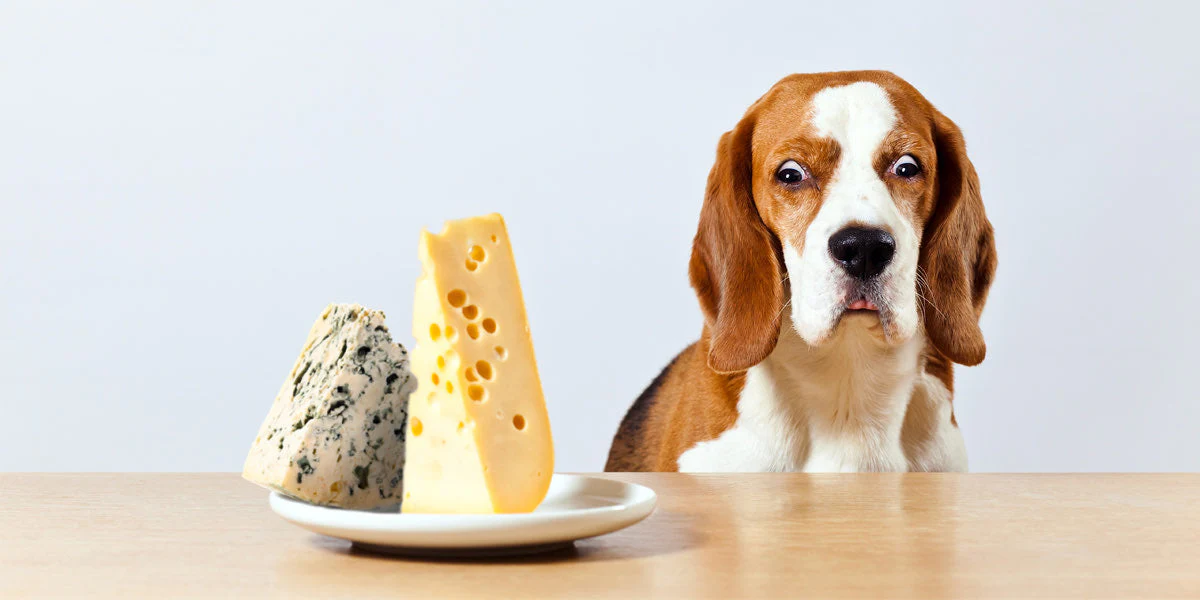
The Cheese Factor: Not Always Friendly
Some dogs tolerate dairy well. Others don’t.
I’ve had patients who develop gas, bloating, or loose stools after even small amounts of cheese. Cheese crackers don’t just contain dairy—they contain processed cheese powders, which can be harder to digest and often come with added sodium.
If your dog is even mildly lactose intolerant, those crackers can quickly turn into a gastrointestinal issue.
The Sodium Problem Most People Overlook
This is the part I emphasize most during consultations.
Cheese crackers are surprisingly high in salt. Dogs need sodium, but in controlled amounts. Regularly consuming salty snacks can contribute to dehydration and, over time, strain organs—especially in older dogs or those with underlying conditions.
I remember a senior dog with early kidney issues whose owner proudly told me they had switched to “just giving small snacks like crackers instead of fatty treats.” They meant well, but the sodium content was working against everything we were trying to manage medically.
So, Can Dogs Eat Cheese Crackers?
If we’re being precise, a small piece once in a while is unlikely to harm a healthy dog.
But from a professional standpoint, I don’t recommend it.
Not because it’s immediately dangerous, but because it creates a pattern. Dogs learn quickly. Once they associate your snack time with sharing, it becomes a habit that’s hard to break—and those small amounts add up faster than most people realize.
Better Alternatives I Actually Suggest
When clients ask me what they can share, I steer them toward simpler, cleaner options. Not trendy, not fancy—just safer.
Plain, unseasoned foods like small pieces of cooked chicken or a bit of carrot are far easier on a dog’s system. Even a tiny cube of plain cheese (without additives) is a better choice than a processed cracker.
I’ve seen dogs thrive simply by removing processed human snacks from their routine. Energy improves, digestion stabilizes, and weight becomes easier to manage.
A Practical Way to Think About It
Here’s how I usually explain it in the exam room:
If a food comes in a crinkly packet, has a long ingredient list, and is designed to sit on a shelf for months, it probably doesn’t belong in your dog’s daily diet.
Cheese crackers check all three boxes.
And while sharing food is part of the bond we have with our dogs, it doesn’t have to come at the cost of their health. In my experience, the dogs that do best long-term are those whose diets remain simple, consistent, and species-appropriate.