
In my twelve years as a licensed veterinarian here in Texas, I’ve spent a fair amount of time explaining to confused pet owners that their indoor cat, who never leaves the living room, somehow has a tapeworm. It’s a conversation that usually starts with a look of disbelief. People often assume that internal parasites are a “dirt and outdoors” problem, but the reality is much more interconnected.
The short answer is yes—cats get tapeworms from fleas, and it is actually the most common way they contract them.
The Mechanics of Infection
I often see owners who are diligent about flea prevention but miss a month during a mild winter. That’s all it takes. The process isn’t about the flea biting the cat; it’s about the cat biting the flea.
When a flea is in its larval stage, it consumes tapeworm eggs found in the environment. As that flea matures into an adult, the tapeworm develops inside it. Cats, being the fastidious groomers they are, will inevitably swallow a flea while licking their fur. Once that flea hits the stomach acid and is digested, the tapeworm larvae are released. They then latch onto the lining of the small intestine and start growing.
I remember a specific case last summer with a client who was adamant her cat couldn’t have worms because she “didn’t see any fleas.” We combed the cat and found exactly one flea—just one. But that’s the thing: it only takes one infected flea to start the cycle. By the time you see the “grains of rice” (which are actually proglottids, or segments of the worm) on your cat’s bedding or near their tail, the worm is already well-established.
Why Typical Dewormers Often Fail
A common mistake I see is owners heading to the grocery store or a big-box pet shop to buy a generic over-the-counter dewormer. Most of those “roundworm and hookworm” medications do absolutely nothing for tapeworms.
Tapeworms require a specific active ingredient, usually praziquantel, to actually dissolve the parasite. I’ve had several frustrated owners come into my clinic after spending fifty dollars on various retail dewormers, wondering why they still see segments moving on their cat’s fur. You have to match the medication to the specific parasite, and in the case of flea-borne worms, the standard stuff usually misses the mark.
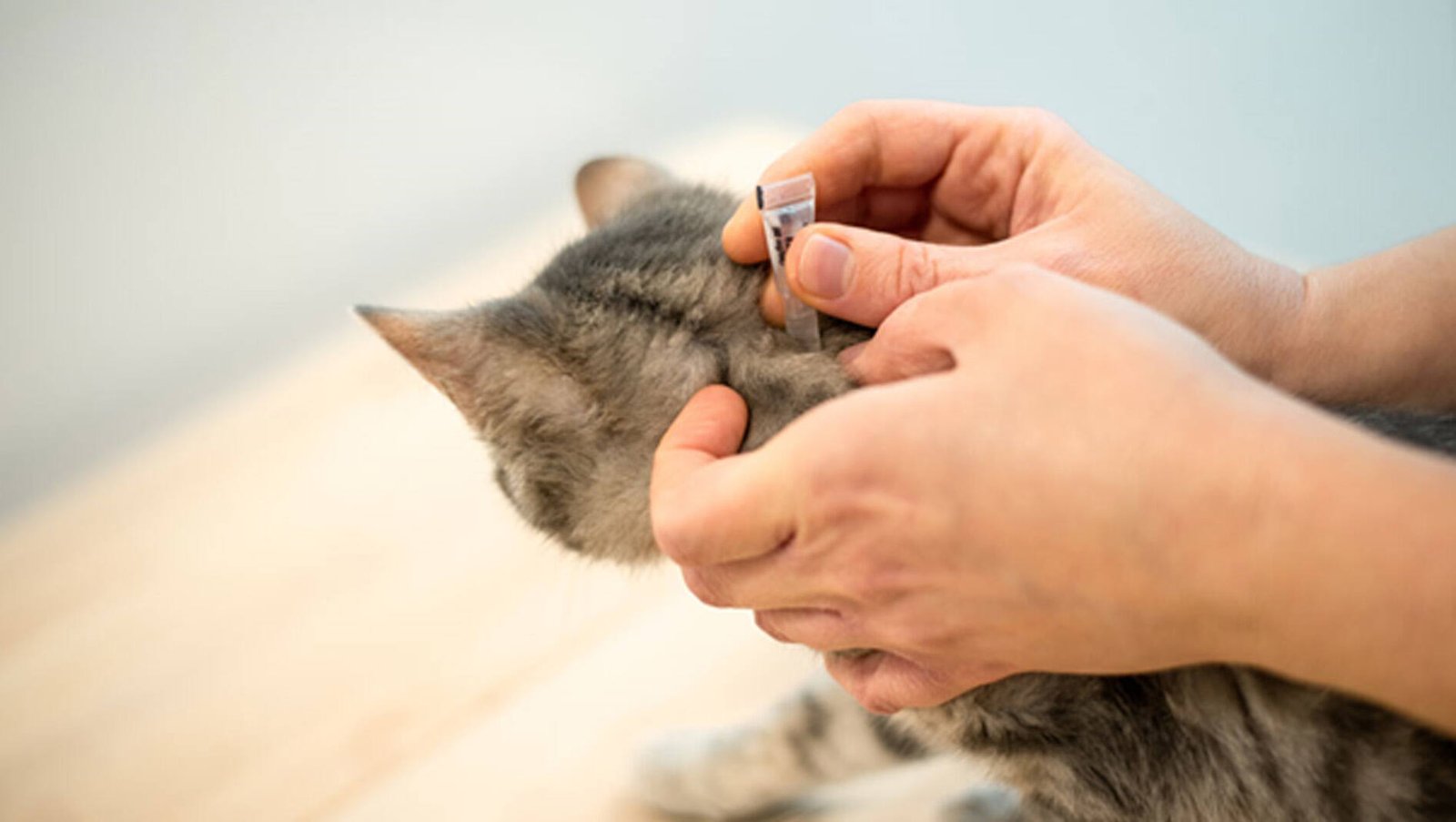
The Problem with Spotty Prevention
If you find tapeworms, you have a flea problem, even if you don’t see them jumping around. In the humid Texas climate, fleas thrive year-round. I once worked with a family who had a massive recurring tapeworm issue with their senior Siamese. They were treating the cat for worms every three months, but they weren’t treating their carpet or their backyard.
The cat was essentially a vacuum cleaner for the flea larvae living in the rug. We finally broke the cycle by getting the cat on a prescription-strength, long-acting flea preventive and by focusing on environmental control.
You cannot treat the worms successfully without aggressively eliminating the fleas. If you kill the worm but the cat swallows another flea the next afternoon, you’re back to square one in three weeks.
Signs You Should Look For
While some cats show no symptoms other than the visible segments, I’ve noticed that heavy infestations can cause a few subtle changes:
- Increased appetite without weight gain: The worm is quite literally stealing nutrients.
- Scooting: While more common in dogs, cats will sometimes drag their hindquarters across the floor if the segments are causing irritation.
- Coat quality: A dull, “staring” coat can sometimes be a byproduct of the nutritional drain.
In my professional opinion, the best approach is a dual-action strategy. If I see a tapeworm in the exam room, I’m going to prescribe a praziquantel-based tablet or injection, but I’m also going to insist on a high-quality, veterinary-grade flea preventative.
I generally advise against the cheap flea collars found in supermarkets; in my experience, they lack the efficacy needed to stop the cycle once an infestation has started.
Getting rid of the worms is the easy part—the medication works remarkably fast. Keeping them away is the real test of a pet owner’s persistence in managing the flea population in the home.