
Insights from a Veterinarian
As a licensed veterinarian practicing in Texas for over a decade, I’ve treated countless cats with intestinal worms. One question I hear frequently from pet owners is, “Will these worms go away on their own?”
In my experience, the short answer is almost always no—without intervention, worms rarely resolve on their own, and leaving them untreated can lead to serious health issues for your cat.
Understanding the Worms That Affect Cats
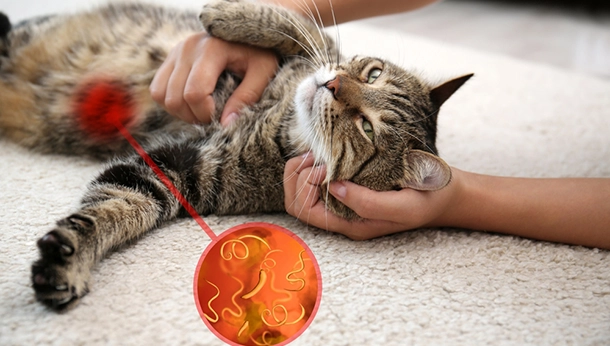
Cats can host several types of worms, including roundworms, tapeworms, hookworms, and occasionally heartworms. Each behaves differently in the body. For example, roundworms are common in kittens and are often transmitted from the mother, while tapeworms are typically acquired through fleas.
I remember a customer last spring whose outdoor cat returned home with what looked like tiny grains of rice around its rear end. A quick stool check confirmed tapeworm infection, and without treatment, those worms would not have disappeared on their own.
The key issue is that these parasites feed off the cat and reproduce continuously. Even if symptoms seem mild, the worms are silently sapping nutrients and compromising the cat’s health. In my clinic, I’ve seen adult cats maintain a relatively normal appearance while harboring heavy worm infestations—one particularly robust tomcat had lost very little weight, but his blood work revealed mild anemia and vitamin deficiencies caused by hookworms. This highlights that worms can persist quietly, sometimes without obvious signs.
Why Cats Can’t Usually Fight Worms Alone
Cats have immune systems capable of managing many infections, but worms are different. They attach to the intestinal wall or live in other organs where the immune system has limited reach.
I’ve observed several cases where owners tried natural remedies—like pumpkin seeds or certain herbs—hoping to expel worms naturally. While these approaches sometimes reduce the worm load slightly, none eliminated the parasites completely.
In one memorable case, a family opted to delay treatment for their kitten after spotting a few worms in the stool. A week later, the kitten returned, weak and with diarrhea and vomiting. Lab tests confirmed a significant roundworm burden. Treating the kitten promptly with veterinary-grade dewormer resolved the issue quickly, demonstrating that even small infestations can escalate if untreated.
Signs That Indicate Intervention Is Needed
Even if a cat seems fine, certain indicators suggest that worms are present and unlikely to vanish naturally:
- Visible worms in feces or around the anus
- Vomiting that contains worms
- Diarrhea or soft stools
- Weight loss or poor coat condition
- Lethargy or decreased appetite
I once had a cat patient whose owner noticed intermittent scooting across the carpet. While this might seem minor, stool testing revealed tapeworm segments. Treating the cat not only resolved the discomfort but also prevented the spread of fleas that were facilitating the worm lifecycle.
The Role of Veterinary Treatment
The most reliable way to clear worms is with targeted deworming medication. Dosage and frequency depend on the worm type and the cat’s age and weight. For instance, kittens often require repeated rounds because roundworms can hatch from eggs still present in the intestines after the initial treatment.
In adult cats, a single dose may suffice for tapeworms, but I’ve often recommended follow-up stool exams to ensure all parasites are cleared.
I advise against skipping veterinary guidance. Over-the-counter products can be inconsistent, and incorrect dosing may leave worms behind or harm your cat. In my experience, owners who follow a proper deworming schedule see faster recovery, better nutrient absorption, and improved overall health for their cats.
Preventing Future Worm Infestations
Even after successful treatment, worms can recur. Regular flea control, keeping cats indoors, and periodic veterinary stool checks are crucial. I had a cat whose owner was diligent with deworming but didn’t address a flea infestation.
The cat developed another tapeworm infection within weeks. Once the flea problem was controlled, the recurring infestations stopped.
Conclusion
From my years of veterinary practice, I’ve learned that worms rarely resolve on their own in cats. Attempting to wait them out or relying solely on natural remedies can allow infections to worsen, potentially threatening your cat’s health.
Timely intervention with proper deworming, combined with preventive care, is the safest and most effective approach. Cats may appear healthy on the surface, but parasites are persistent, and addressing them promptly is essential for long-term well-being.