
From a Vet’s Exam Room)
I’ve been working as a small-animal veterinarian for over a decade, and yeast infections are among the issues I see almost daily. They’re not always obvious at first glance, and many dog owners mistake them for allergies, fleas, or simple dirt buildup.
But once you know what to look for, the signs become hard to miss.
The First Clue Most Owners Overlook: The Smell
The easiest way I often identify a yeast infection doesn’t even involve looking—it’s the smell.
Owners will bring in their dog, saying, “He just smells bad no matter how much I bathe him.” And when I lean in, there’s that unmistakable odor—slightly sweet, musty, almost like old bread or corn chips gone wrong.
I remember a case not long ago: a Labrador whose owner had been bathing him twice a week for months. She thought it was hygiene. It wasn’t. His skin was actually overproducing yeast, and the extra moisture from frequent baths made it worse.
If your dog smells persistently unpleasant, especially in the ears, paws, or skin folds, yeast is high on my list of suspects.
Constant Scratching, Licking, and Chewing
Most dogs with yeast infections are incredibly itchy. But unlike flea bites, the itching tends to be more focused.
I usually see dogs:
- Licking their paws obsessively
- Chewing at their skin, especially around the belly or groin
- Scratching their ears or shaking their head frequently
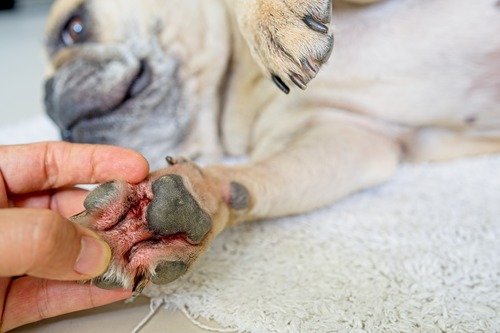
One bulldog I treated last spring had licked his paws so much that they turned a rusty reddish-brown. That discoloration isn’t dirt—it’s saliva staining from chronic irritation, often linked to yeast.
If your dog seems fixated on one area, don’t ignore it. Yeast thrives in those moist, irritated spots.
Changes in the Skin You Can See and Feel
Over time, yeast infections start to change the skin’s appearance and texture.
In my clinic, I often run my fingers along a dog’s skin and feel thickened, slightly greasy patches. Owners sometimes describe it as “waxy” or “sticky.”
Visually, you might notice:
- Red or inflamed skin
- Darkened areas (especially in chronic cases)
- Flaky or scaly patches
- Greasy residue on the coat
I once had a spaniel whose underarms had turned almost black over time. The owner thought it was just pigmentation, but it was actually long-term yeast overgrowth.
These skin changes don’t happen overnight. They’re a sign that the problem has been brewing for a while.
Ear Issues That Keep Coming Back
Recurring ear infections are one of the biggest red flags.
If you’re cleaning your dog’s ears regularly and still noticing:
- Brown or yellow discharge
- A strong odor
- Redness inside the ear
- Head shaking or sensitivity.
There’s a good chance yeast is involved.
I’ve seen many cases where owners treat ear infections repeatedly without realizing the underlying cause is yeast. One German Shepherd I treated had been on and off ear drops for months. Once we addressed the yeast properly, the cycle finally stopped.
Paw Problems That Seem Never-Ending
Paws are a hotspot for yeast, especially in dogs that walk on damp grass or have allergies.
Look closely between your dog’s toes. If you see redness, swelling, or that same brownish staining I mentioned earlier, yeast is often the culprit.
A retriever I treated during the rainy season had inflamed paws that looked almost raw. His owner assumed it was mud irritation. It wasn’t—the moisture had created the perfect environment for yeast to grow.
Behavioral Changes You Might Not Expect
This is something people don’t always connect.
Dogs with chronic yeast infections can become irritable or restless. Imagine dealing with constant itching or burning—it wears them down.
I’ve had calm, easygoing dogs become snappy simply because they were uncomfortable. Once the infection cleared, their temperament shifted right back.
Where Yeast Infections Usually Show Up
In my experience, yeast rarely affects just one random spot. It tends to favor specific areas:
- Ears
- Paws
- Skin folds (like in bulldogs or pugs)
- Armpits and groin
- Around the tail base
If you notice symptoms clustered in these areas, it’s not a coincidence.
Common Mistakes I See Owners Make
Over the years, I’ve noticed a few patterns that tend to delay proper treatment.
One is over-bathing. It sounds logical—clean the dog more—but too much bathing can strip the skin and worsen yeast growth.
Another is assuming it’s always allergies. While allergies and yeast often go hand in hand, treating only the allergy won’t eliminate the yeast.
And then there’s the use of random home remedies. I’ve seen everything from vinegar sprays to coconut oil applications. Some might offer mild relief, but they rarely solve the underlying problem—and sometimes make it worse.
When I Tell Owners It’s Time to Act
If your dog has had symptoms for more than a few days, especially with odor or visible skin changes, I don’t recommend waiting it out.
Yeast infections don’t usually resolve on their own. They tend to spread or become chronic, which makes treatment longer and more frustrating.
In my clinic, I typically confirm it with a quick skin or ear swab under the microscope. It’s simple, and it removes the guesswork.
My Honest Take After Years in Practice
Yeast infections are common, but they’re also very manageable once properly identified. The key is recognizing the early signs and not brushing them off as minor issues.
If your dog smells unusual, won’t stop licking, or has recurring ear or skin problems, there’s a good chance yeast is involved.
I’ve seen dogs go from miserable to completely comfortable within a couple of weeks of proper treatment. But I’ve also seen cases drag on for months simply because the signs were missed or misunderstood.
Pay attention to the small changes. They usually tell the real story.