
From Vet Perspective
I’ve spent over a decade dealing with backyard wildlife issues—everything from burrowing damage to animals raiding pet feeding stations. One question that comes up more often than people expect is whether groundhogs will eat cat food. The short answer is yes, they will. But the real story is a bit more nuanced, and understanding it can save you a lot of frustration.
Why Groundhogs Go After Cat Food
Groundhogs are primarily herbivores. In their natural diet, they stick to grasses, clover, garden vegetables, and the occasional fruit. But in residential areas, I’ve repeatedly seen them behave opportunistically.
A bowl of cat food—especially the dry kind left outside—becomes an easy, high-calorie meal. It doesn’t require digging, chewing tough stems, or prolonged exposure. For a groundhog trying to bulk up before winter or recover after hibernation, that’s a very attractive option.
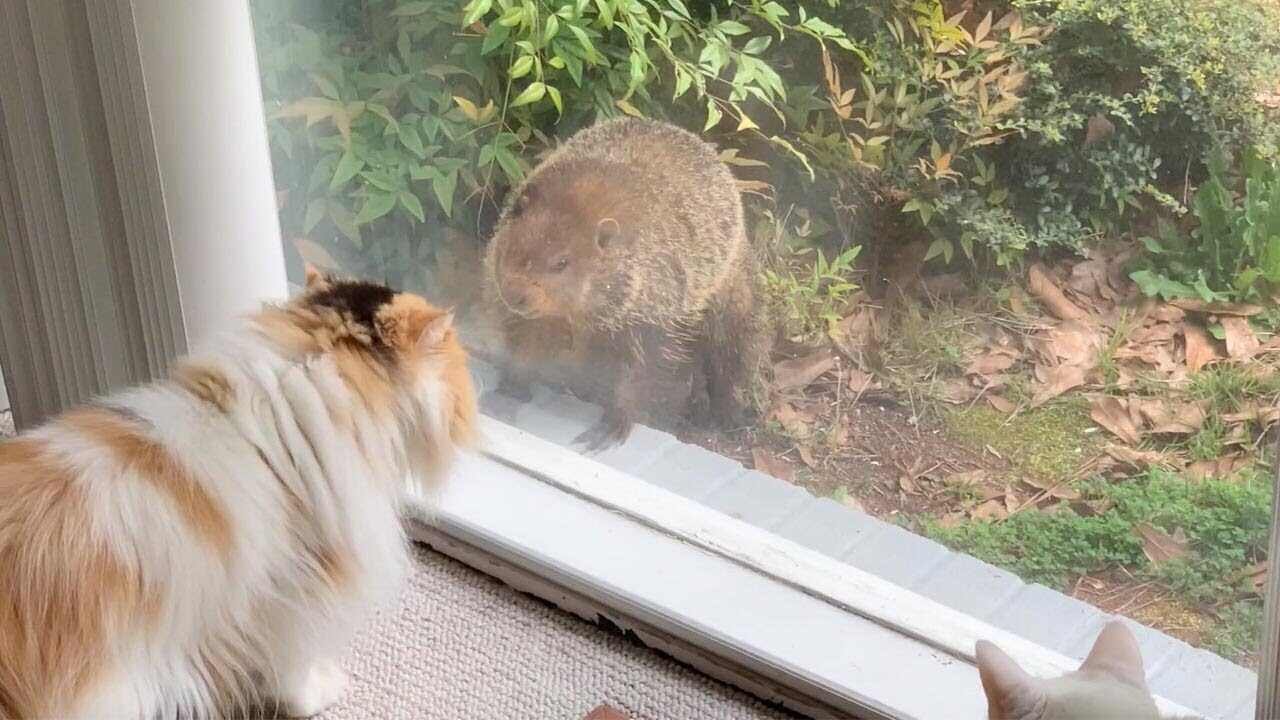
One homeowner I worked with last spring couldn’t figure out why their outdoor cat’s food kept disappearing during the day. They blamed stray cats at first. After setting up a simple motion camera, we found a large groundhog casually walking up in broad daylight and emptying the bowl.
What Happens When They Get Used to It
This is where things start to go wrong.
In my experience, once a groundhog discovers a reliable food source like cat food, it tends to return daily. And unlike a passing raccoon or bird, groundhogs often establish territory nearby.
I remember a case where a client fed their cat on the back patio every morning. Within a few weeks, not only was a groundhog eating the food, but it had dug a burrow just under the shed about 15 feet away. That’s not a coincidence—it’s pattern behavior.
When food is predictable, groundhogs reduce their natural caution. They linger longer, explore more, and eventually start causing additional problems like:
- Digging under decks, sheds, or foundations
- Feeding on nearby garden plants
- Creating multiple entrance holes
Is Cat Food Harmful to Groundhogs?
From a biological standpoint, cat food isn’t ideal for them. Groundhogs aren’t built to process high-protein, meat-based diets regularly. But here’s the thing: in the short term, it doesn’t stop them.
I’ve seen groundhogs eat dry kibble for weeks without obvious signs of illness. The bigger concern isn’t their health—it’s the behavior it encourages.
Feeding wildlife, even unintentionally, almost always leads to dependency and property damage.
A Mistake I See All the Time
One of the most common patterns I’ve encountered is people trying to be kind to outdoor animals without realizing the ripple effect.
They leave food out for a cat, maybe even at the same time each day. At first, it’s just the cat. Then birds show up. Then squirrels. And eventually, something larger—like a groundhog—joins in.
By the time the homeowner notices, the animal is already comfortable and often living nearby.
In one case, a customer tried switching their cat’s feeding to only at night, thinking it would solve the issue. It reduced daytime visits, but the groundhog had already established a burrow and started eating their vegetable garden instead. The feeding had already done its damage.
What I Recommend Based on Experience
If you’re dealing with this situation, small changes make a big difference.
I usually advise clients to stop leaving food out unattended. Feed your cat, give it time to eat, and remove the bowl. It’s simple, but it breaks the pattern that attracts wildlife.
If a groundhog has already been visiting regularly, expect it to check back for a while even after the food is gone. They’re persistent, but they do move on when the reward disappears.
Also, take a quick look around your property. If there’s already a burrow nearby, removing the food source is only part of the solution—you may need to address the den site as well.
The Bottom Line
Yes, groundhogs will eat cat food, and they’ll do it happily if given the chance. But the real issue isn’t the food itself—it’s what it invites.
From what I’ve seen over the years, a simple bowl of pet food can unintentionally turn a passing animal into a long-term resident. And once that happens, you’re no longer just feeding a cat—you’re managing wildlife.