
As a licensed veterinarian practicing in Texas for over a decade, I’ve had countless cat owners come to me puzzled by the sudden, gentle bites their feline companions deliver.
At first, it can feel confusing or even hurtful, but over time, I’ve learned that these little nips are rarely a sign of aggression—they’re a form of communication that cats rely on to express their moods, boundaries, or even affection.
Overstimulation: A Gentle Warning
I remember a case last spring with a client whose 3-year-old domestic shorthair, Luna, would occasionally give her owner a soft bite while they were petting her. The owner was worried, thinking Luna was upset.
But after observing her behavior, I noticed Luna’s tail flicking and ears slightly back—classic signs of overstimulation. In cats, a gentle bite often acts as a warning: “I’ve had enough petting for now.” These bites aren’t meant to harm; they’re a way for cats to set limits without resorting to scratching or more aggressive behavior.
Playfulness and Exploration
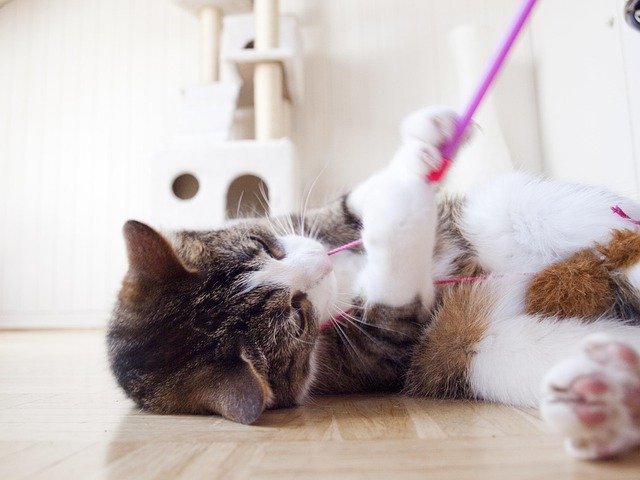
In my experience, another common reason cats bite gently is playfulness. Kittens and young adult cats, in particular, use their mouths to explore the world. I once treated a lively 6-month-old cat named Jasper, whose owners were concerned when he would lightly nip during cuddle sessions.
Observing him, I noticed he had the same playful style as when he interacted with his toys—biting was his way of inviting interaction, much like a gentle pat. Understanding this helped his owners redirect his energy to appropriate toys instead of their hands.
Affection and “Love Bites”
Interestingly, I’ve also seen gentle biting tied to affection. Cats exhibit a behavior called “love bites,” in which a soft nibble accompanies purring or head bunting.
One memorable example was a senior cat named Marbles, who would gently nibble his owner’s fingers while resting on her lap. There was no agitation or warning signals—just a calm, reassuring gesture that said, “I’m comfortable and connected with you.”
I encourage owners to observe body language carefully; the difference between a warning bite and a love bite is subtle but usually obvious once you know what to look for.
Common Patterns to Recognize
From my hands-on experience, there are a few patterns worth noting:
Overstimulation: The cat’s body is tense, tail flicking, ears back. The bite is a polite warning to stop interaction.
Playfulness: Quick, light nips often paired with pawing or pouncing motions. Usually seen in younger cats.
Affection: Gentle nibbling during relaxed interactions, often paired with purring or rubbing.
How Owners Should Respond
Owners often make the mistake of reacting harshly to these bites. I’ve found that gently withdrawing attention or redirecting with toys works far better than scolding, which can cause confusion or even anxiety.
In one case, a client who used loud “no” commands saw her cat start hiding during cuddle sessions. By switching to calm, nonverbal cues—like slowly retracting her hand—the gentle biting stopped, and the bond grew stronger.
Conclusion
Understanding why your cat bites you gently takes observation and patience. Each cat has its own style of communication, and these little nips are usually a sign that your feline is expressing comfort, boundaries, or playfulness.
By paying attention to body language and context, you can respond appropriately, strengthen trust, and enjoy the unique quirks that make cats such fascinating companions.