
By the time someone notices their cat’s eyes are red, something has usually been irritating that eye for a while. I’m a small-animal veterinarian and have been working in companion animal clinics for more than a decade. Red eyes are one of the most common cat concerns owners bring to me. Sometimes it’s a minor irritation that clears up quickly. Other times, it’s the first sign of a more serious eye condition.
The tricky part is that cats hide discomfort incredibly well. A cat with painful eyes may still eat, play, and act mostly normally. That’s why eye redness often catches owners off guard.
Over the years, I’ve seen a wide range of causes, from simple dust irritation to infections that threaten vision. If you’re noticing redness, discharge, or squinting, there are a few common reasons worth understanding.
Irritation From Dust, Allergens, or Debris
The simplest cause I see in the clinic is mild irritation. Cats explore with their faces. Their eyes are constantly exposed to litter dust, household particles, and outdoor debris.
I remember a client bringing in her young indoor cat one spring. The cat had slightly red eyes and watery discharge, but was otherwise acting normal. During the exam, I noticed very fine litter dust around the eyelids. The owner had recently switched to a heavily scented, dusty litter.
Once they changed to a low-dust formula and gently cleaned the eye area for a few days, the redness disappeared.
Cats can react to:
- Dusty cat litter
- Household cleaning sprays
- Smoke or strong fragrances
- Pollen or seasonal allergens
In these cases, the eye often appears pink or mildly red, not severely swollen. The cat may blink more than usual or have clear tearing.
Conjunctivitis: The Most Common Reason I Diagnose
If I had to pick one diagnosis I see most often in cats with red eyes, it would be conjunctivitis. This is inflammation of the conjunctiva — the pink tissue lining the eyelids and covering the white of the eye.
When it’s inflamed, that tissue becomes very noticeable. Owners often describe it as “the pink part of the eye looks angry.”
In practice, conjunctivitis often shows up alongside other symptoms:
- Thick or yellow discharge
- Squinting or blinking frequently
- Swelling around the eyelids
- A third eyelid is becoming visible.
A few years ago, a young rescue kitten came into my clinic with both eyes bright red and nearly glued shut from discharge. The kitten had been adopted just days earlier from a shelter environment where respiratory infections spread easily.
Lab tests confirmed a viral infection that triggered severe conjunctivitis. With proper eye medication and supportive care, the kitten recovered well.
This kind of infection is extremely common among cats from shelters, rescues, or multi-cat homes.
Viral Infections Cats Carry for Life
Many cat eye infections are caused by viruses, particularly feline herpesvirus. I explain this to owners almost weekly.
Cats typically catch the virus when they’re kittens. After the initial illness, the virus stays dormant in the body and can reactivate later in life during stress or illness.
In my experience, stress triggers are often surprisingly small:
- Moving to a new home
- Introducing a new pet
- Boarding or travel
- Illness or surgery
I once treated a calm, middle-aged indoor cat that suddenly developed red eyes and squinting shortly after the family adopted a playful puppy. The cat was otherwise healthy, but the stress likely triggered a herpesvirus flare-up.
Eye medications helped control the inflammation, but I also advised the owners to give the cat more quiet space away from the puppy. Within a couple of weeks, the eyes cleared.
Eye Injuries and Scratches
Another cause I watch carefully for is injury. Cats have sharp claws, and rough play between cats can easily lead to eye scratches.
Sometimes the injury is obvious. Other times, the redness is the only clue.
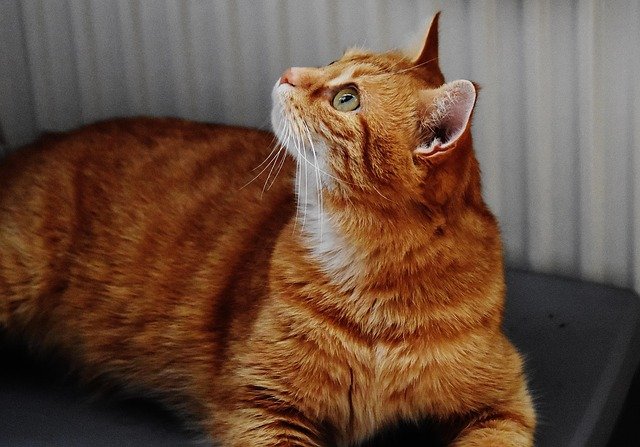
One memorable case involved a friendly orange tabby who came in with one eye tightly squinted and extremely red. The owner assumed it was an infection, but a quick fluorescein stain test revealed a small corneal ulcer — essentially a scratch on the surface of the eye.
Eye ulcers are painful and need prompt treatment. Fortunately, most heal well with medication if caught early.
Signs that make me suspect injury include:
- Sudden squinting in one eye.
- Excess tearing
- Light sensitivity
- Pawing at the eye
These cases should always be examined quickly because untreated ulcers can worsen.
Allergies in Cats
Allergies aren’t the first thing many owners think about, but they can absolutely cause red eyes.
Cats can react to environmental triggers such as pollen, dust mites, mold, and certain household products. Unlike dogs, cats often show allergy symptoms in their skin and face.
The eyes may appear:
- Pink or red
- Slightly swollen
- Watery rather than thick discharge
Often, I’ll also see itchy ears or excessive grooming along with the eye irritation.
In these situations, treatment focuses on reducing the allergic reaction rather than just treating the eyes themselves.
Glaucoma and Other Serious Eye Conditions
Although less common, some causes of red eyes are medical emergencies. One of those is glaucoma, which involves dangerously high pressure inside the eye.
Cats with glaucoma often show:
- Severe redness
- Cloudy eye appearance
- Enlarged eye
- Pain or lethargy
Thankfully, I see glaucoma less frequently than infections or irritation, but it’s something veterinarians always check for.
Early treatment can sometimes preserve vision. Waiting too long can lead to permanent blindness.
A Mistake I See Cat Owners Make
One thing I strongly advise against is using leftover eye drops meant for humans or other pets.
This happens more often than people realize. Owners assume eye redness is the same across species, but some medications can actually worsen certain feline eye problems.
I remember a client using human allergy drops on her cat for several days before coming in. Unfortunately, the cat actually had an ulcer, and the drops irritated the eye further.
If a cat’s eyes remain red longer than a day or two, or if there’s discharge or squinting, it’s safer to have a vet examine them.
When Red Eyes Mean a Vet Visit
Mild redness from irritation may improve within a day. But there are certain signs that always concern me during triage calls.
A veterinary exam is wise if you notice:
- Thick yellow or green discharge
- Squinting or eye closure
- Swelling around the eye
- A cloudy surface
- Sudden redness in only one eye
- Behavior changes like hiding or loss of appetite
Eyes are delicate structures. Small issues can escalate quickly without treatment.
What I Tell Cat Owners During Exams
Most eye problems in cats are treatable once the cause is identified. The key is not waiting too long.
In my clinic, many cases improve within a week or two with proper medication. But I’ve also seen situations where owners waited several weeks, and by then the eye damage was much harder to reverse.
Cats rarely complain loudly about pain, especially eye pain. Redness is often the body’s early warning sign that something is wrong.
Paying attention to those small changes makes a big difference in protecting a cat’s comfort—and sometimes its vision.