
What I See in My Veterinary Practice
As a licensed veterinarian practicing in Texas for over a decade, I’ve had countless conversations that start the same way: “Doctor, my cat is acting strange since we brought her home.”
Sometimes that homecoming follows a routine boarding stay. Other times it’s after surgery, a move to a new house, or even just a weekend away with a pet sitter. The details vary, but the concern remains the same. Owners expect relief and familiarity. Instead, they’re met with hiding, hissing, clinginess, or complete indifference.
In my experience, most post-return behavior changes are normal. But understanding why they happen — and when they aren’t normal — makes all the difference.
Why Cats Act Differently After Coming Home
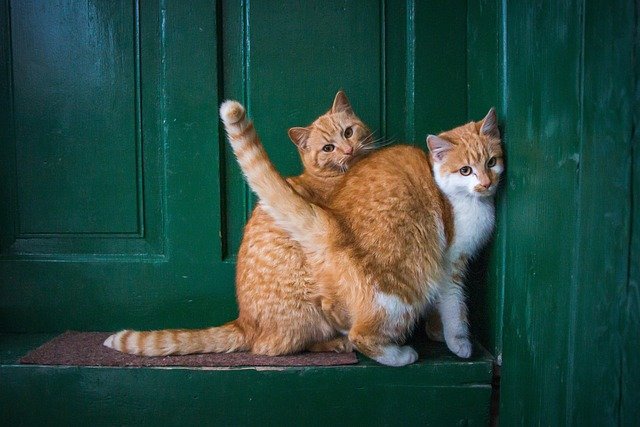
Cats are deeply territorial animals. Unlike dogs, whose sense of stability often revolves around people, cats anchor themselves to place. Their home is not just a shelter; it’s a carefully mapped territory defined by scent, routine, and predictability.
When a cat leaves that space — whether for boarding, hospitalization, or travel — her internal map gets disrupted. Even when she returns, things don’t immediately “snap back.”
I’ve found that cats often need time to re-establish their scent profile in the home. They rub against furniture, door frames, and their owners more than usual. This isn’t random affection. It’s scent-marking. They’re reclaiming their space.
And sometimes, they’re reacting to subtle changes you don’t even notice.
One family I worked with last spring brought their cat home after a four-day boarding stay. Within an hour, she was hissing at their other cat — a companion she had lived peacefully with for years. The owners were shocked. What had happened?
The answer was scent. The returning cat smelled like the boarding facility. To the resident cat, she was an intruder. It took about a week of gradual reintroduction and scent swapping before harmony returned.
Hiding After Returning Home
Hiding is one of the most common behaviors I see.
After surgery — especially spays, neuters, or dental procedures — cats often retreat under beds or into closets. Many owners worry they’re depressed or traumatized.
In reality, anesthesia and pain medication can linger in subtle ways. Even if a cat seems alert, she may feel slightly disoriented. Add to that the stress of a hospital environment with unfamiliar smells and sounds, and retreating makes sense.
I remember a young male cat who had undergone a routine dental cleaning. His owner called in a panic because he hadn’t come out from under the couch for nearly a full day. She was certain something had gone wrong.
When I examined him the next morning, his vitals were perfect. He emerged cautiously but greeted me normally. By the following evening, he was back to chasing toys. He simply needed a quiet, low-stimulation environment to reset.
That said, hiding combined with other signs — refusal to eat, labored breathing, signs of pain when touched — is not something to ignore. A cat that hides and won’t eat for more than 24 hours deserves a phone call to your veterinarian.
Clinginess or Increased Vocalization
On the opposite end of the spectrum, some cats become unusually attached after returning home.
They follow their owners from room to room. They vocalize more. They may even sleep pressed against you if they normally prefer independence.
I see this most often in cats returning from boarding facilities. They’ve experienced days of unfamiliar routines and sounds. Once home, they seek reassurance.
A middle-aged indoor cat I treated had stayed at a reputable boarding kennel while her owners traveled internationally. Upon returning home, she meowed persistently at night for nearly a week. The owners were exhausted and worried she had developed separation anxiety.
In my opinion, it wasn’t true anxiety. It was decompression. Her internal rhythm had been disrupted. Within ten days, with no intervention beyond patience and consistent routine, her nighttime vocalizing stopped.
My advice in these cases is simple: respond calmly but don’t reinforce frantic behavior. Offer normal affection. Stick to predictable feeding and play times. Cats regain confidence through consistency.
Aggression Toward Other Pets
One of the more distressing scenarios involves redirected or unfamiliar aggression between household pets.
As I mentioned earlier, scent is often the culprit. When a cat returns from the veterinary clinic or boarding, she carries foreign odors — disinfectants, other animals, and medications. To another pet, she may seem like a stranger.
I once worked with a household of three cats who had coexisted peacefully for years. After one of them underwent a minor surgical procedure, the other two began cornering and swatting at her. The owner was devastated and assumed permanent behavioral damage.
What resolved it wasn’t medication. It was management. We temporarily separated the cats, rotated bedding to exchange scents, and reintroduced them gradually over several days. Within two weeks, the dynamic returned to normal.
I strongly advise against forcing interactions in these moments. Let scent equalization happen naturally and slowly.
Changes in Appetite or Litter Box Habits
Temporary changes in appetite are common after travel or medical procedures. Mild constipation after anesthesia is something I see regularly. So is a slight decrease in appetite for a day or two.
What concerns me is duration and severity.
A cat that skips one meal after boarding may simply be recalibrating. A cat that refuses food for more than 24 hours, especially if overweight, is at risk for hepatic lipidosis — a serious liver condition I’ve treated more times than I’d like.
Similarly, stress can trigger inappropriate urination. I’ve seen cats return home and urinate outside the litter box once or twice during their re-adjustment period. Owners often assume defiance. In truth, it’s stress physiology.
However, I never dismiss urinary changes without evaluation. In male cats, urinary obstruction can look deceptively mild at first. If your cat is straining, visiting the box repeatedly, or producing only small amounts of urine, that’s urgent.
Behavior After a Move to a New Home
Moving houses adds another layer entirely.
From a cat’s perspective, every landmark has vanished. The familiar scent signatures are gone. Even outdoor sounds change.
I’ve moved with my own cats, and despite all my professional knowledge, I underestimated how disruptive it would be. One of them hid behind a washer for nearly two days, emerging only at night.
In these cases, I recommend confining the cat initially to one quiet room with familiar bedding, toys, and litter. Expanding access gradually helps prevent overwhelm.
What I advise against is giving full-house access immediately in an attempt to “let them explore.” For many cats, that increases anxiety rather than easing it.
Common Mistakes I See
Over the years, certain patterns repeat:
Owners bathe their cat immediately after boarding to remove “kennel smell.” Unfortunately, this strips their scent entirely and can increase stress.
They introduce a new pet right after returning from a trip, which adds unnecessary stress.
They punish hissing or hiding, misinterpreting it as misbehavior rather than as a form of stress communication.
In my professional opinion, most of these issues resolve with time, structure, and restraint. Cats are remarkably resilient when given space to recalibrate.
When to Be Concerned
Most behavior changes after returning home settle within a few days to a week.
I become concerned when I see:
- Persistent refusal to eat
- Signs of pain (hunched posture, reluctance to move, growling when touched)
- Vomiting or diarrhea lasting more than a day.
- Respiratory distress
- Escalating aggression that does not gradually improve
Trust your instincts. Owners who know their cats well often sense when something feels different beyond simple stress.
Final Thoughts From My Exam Room
Bringing a cat home should feel comforting, but for the cat, it can be a sensory reset that takes time to process.
In my practice, I’ve learned that patience solves more post-return behavior concerns than medication ever does. Maintain routine. Provide a quiet space. Avoid forcing interaction. Let scent and familiarity rebuild gradually.
Most cats find their footing again sooner than their owners expect.