
A Veterinarian’s Real-World Take
I’ve been practicing as a small-animal veterinarian for over a decade, and if there’s one thing I’ve learned, it’s that cats have a way of getting into exactly what they shouldn’t. Houseplants are a common culprit, and one question I hear every spring—right when gardens start blooming—is about hydrangeas.
The short answer: yes, hydrangeas are toxic to cats. But the long answer is what actually matters if you’re living with a curious feline.
What Makes Hydrangeas Dangerous?
Hydrangeas contain compounds called cyanogenic glycosides. In simple terms, when parts of the plant are chewed or digested, these compounds can release cyanide in small amounts. That sounds alarming—and it is—but in most real-life cases I’ve seen, the toxicity tends to be mild to moderate rather than life-threatening.
Still, “mild” doesn’t mean harmless.
I once treated a young indoor cat who had chewed on a few fallen hydrangea petals brought inside in a decorative vase. Within a couple of hours, she started vomiting and drooling excessively.
The owner initially thought it was a hairball, which is a very common assumption. By the time they came in, the cat was clearly uncomfortable but stable. With supportive care—fluids and anti-nausea medication—she recovered fully within a day.
That’s the typical pattern. But not always.
Symptoms I’ve Personally Seen
In my experience, cats that ingest hydrangeas usually show gastrointestinal signs first. You might notice:
- Vomiting that seems more frequent than a typical hairball episode
- Drooling or foaming at the mouth
- Lethargy or hiding behavior
- Loss of appetite
In more concerning cases—though less common—I’ve seen mild coordination issues or increased breathing rate. These tend to happen when a larger amount is consumed.
One case that stuck with me involved a cat that had access to a backyard garden. The owner didn’t realize the cat had been chewing on hydrangea leaves over several days. By the time symptoms showed up, the cat was unusually weak and dehydrated. That situation required more aggressive treatment and observation.
Where Owners Usually Go Wrong
The biggest mistake I see isn’t panic—it’s delay.
People often wait it out because the symptoms seem minor. Cats vomit occasionally. They act strangely sometimes. But plant toxicity doesn’t always escalate in a predictable way, and early intervention makes a big difference.
Another common issue is assuming that outdoor plants are “safe” because they’re natural. I’ve had several conversations with owners who were careful about indoor houseplants but didn’t think twice about what was growing in their yard.
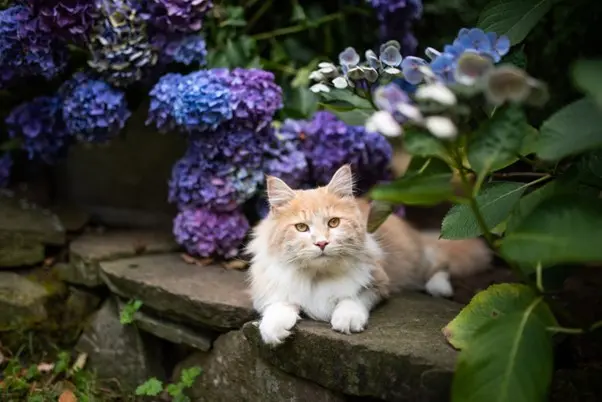
Hydrangeas are especially tricky because they’re so popular. They show up in bouquets, landscaping, and even wedding decorations. I’ve had more than one client unknowingly bring them into a home with a cat.
My Professional Advice
I don’t recommend keeping hydrangeas in a home where cats have access to them. That includes both indoor arrangements and outdoor gardens if your cat roams freely.
If you really love the look of hydrangeas, I usually suggest keeping them completely out of reach—though with cats, “out of reach” is often wishful thinking. They climb, jump, and investigate with persistence that’s honestly impressive.
From a risk standpoint, it’s just easier to choose pet-safe plants instead.
What to Do If Your Cat Eats Hydrangea
If you suspect your cat has chewed on hydrangea, don’t wait for symptoms to escalate. Even if they seem fine initially, I always advise calling a veterinarian.
In mild cases, we may recommend home monitoring with clear instructions. But if symptoms are already present—especially repeated vomiting or lethargy—it’s better to bring your cat in sooner rather than later.
I’ve seen cases resolve quickly with early care, and others become unnecessarily complicated because help came too late.
A Final Thought From Experience
Cats don’t read plant labels, and they don’t avoid things just because they’re toxic. They explore with their mouths, especially when they’re bored or curious.
Hydrangeas aren’t the most dangerous plant I deal with, but they’re far from harmless. And in my experience, the trouble they cause is almost always preventable.
If you share your home with a cat, it’s worth taking a closer look at what’s growing in your space—and what might end up between their teeth.