
From a Veterinarian’s Exam Room
I’ve been practicing as a small-animal veterinarian for over a decade, and I can tell you this: bruises on dogs rarely look the way people expect. Most owners come in looking for the classic purple-blue mark they’d see on their own skin. On dogs, especially those with thick fur or darker pigmentation, it’s often much more subtle—and easier to miss.
The first thing I look for
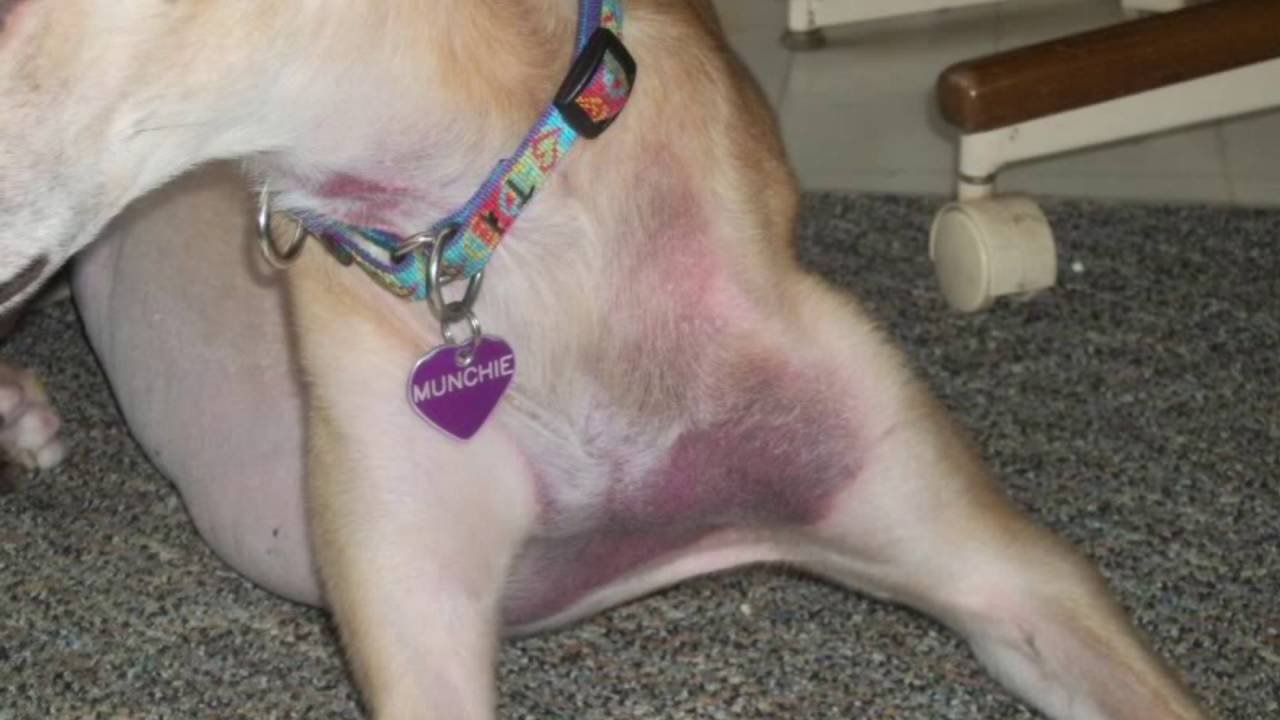
Medically, a bruise is called an Ecchymosis. It’s bleeding under the skin, usually from minor trauma, but the appearance depends heavily on your dog’s coat, skin color, and even body condition.
In light-skinned or short-haired dogs, a bruise can appear as:
- A faint purple, red, or bluish patch
- Slight swelling or puffiness under the skin
- A warm area that feels different from the surrounding tissue
But in darker-skinned dogs or those with thick coats, you often won’t see color changes at all. Instead, I rely more on touch—feeling for soft swelling or areas where the dog reacts when I press gently.
I remember a Labrador I saw not long ago. The owner was convinced there was no bruise because she couldn’t see anything. But when I parted the fur near his ribcage, there was a faint yellow-green discoloration just starting to form. He had likely bumped into something days earlier, and the bruise was already healing.
Bruises don’t stay the same color.
One thing that throws people off is how bruises change over time. Just like in humans, a dog’s bruise evolves:
- Early stage: red or purplish
- A few days later: blue or dark purple
- Healing phase: greenish, then yellow
That yellow stage is something I often point out during follow-ups. It reassures owners that the body is breaking down the blood under the skin.
A client last spring brought in a senior dog with what she thought was a “strange yellow stain” on the belly. She was worried about infection. In reality, it was an older bruise nearing the end of its healing cycle.
When it’s not just a bruise
Here’s where experience really matters. Not every swelling or discoloration is a simple bruise.
Sometimes, what looks like a bruise is actually a Hematoma—a pocket of blood that collects under the skin. These feel more like soft, fluid-filled lumps rather than flat discoloration.
I once treated a dog who came in after what seemed like mild play at the park. The owner thought it was just a bruise on the ear flap. By the time I examined him, it had developed into a full ear hematoma—swollen like a pillow. That required drainage and ongoing care.
There are also more serious possibilities I always keep in mind:
- Clotting disorders
- Internal bleeding issues
- Side effects of certain medications
If I see multiple bruises or bruises appearing without any clear cause, I don’t assume it’s minor. That’s when I recommend immediate blood work.
Where bruises commonly show up
In my day-to-day practice, bruises tend to appear in a few predictable spots:
- The belly (especially in thin-coated dogs)
- Inner thighs
- Around the ribcage
- Ears (particularly after shaking or scratching)
The belly is a big one. It’s one of the few places where you can actually see skin clearly, so it often reveals what’s happening elsewhere.
I had a young mixed-breed dog come in after rough play with another dog. The owner didn’t notice anything unusual until the dog rolled over for a belly rub. That’s when the faint purple patches became obvious.
Subtle signs owners miss
In my experience, the biggest mistake people make is focusing only on visual signs.
Dogs hide discomfort well. Sometimes the bruise shows up more in behavior than appearance:
- Reluctance to jump or climb
- Flinching when touched
- Lying differently than usual
- Reduced activity
I’ve had cases where the bruise itself was barely visible, but the dog’s behavior told the whole story. One older shepherd I treated wouldn’t lie on his usual side. That small change led us to a deeper exam—and sure enough, there was a bruise along his flank.
My professional advice
If you suspect a bruise, here’s how I approach it—and what I usually recommend to owners.
If it’s a single, mild bruise and your dog is acting normal, I’m generally comfortable monitoring it at home. Most resolve on their own within a week or two.
But I advise coming in if:
- The bruise appears suddenly without any known injury.
- There are multiple bruises.
- Your dog seems lethargic or in pain.
- The swelling increases instead of improving.
I tend to be cautious with unexplained bruising. In my years of practice, I’ve learned that early investigation often prevents bigger problems later.
A final thought from the exam table
Bruises on dogs are easy to overlook, especially if you’re expecting something obvious. More often, they’re quiet—subtle changes in color, texture, or behavior that only stand out when you know what to look for.
If there’s one habit I encourage, it’s this: spend a moment each week running your hands over your dog’s body. Not just petting, but actually feeling. That simple routine has helped many of my clients catch issues early—including bruises that would have otherwise gone unnoticed.
And in veterinary medicine, catching something early almost always makes things easier—for both the dog and the owner.