
A Veterinarian’s Honest Take
I’ve been practicing as a small animal veterinarian for over a decade, and questions about human foods come up almost daily. One that surprises many dog owners is oranges. People assume that because oranges are healthy for us, they must be equally good—or at least harmless—for dogs. The truth is a bit more nuanced.
The Short Answer
Oranges don’t typically hurt dogs, but they’re not always a good idea either. In my experience, they fall into that gray area: safe in small amounts for some dogs, problematic for others.
What I’ve Seen in Real Cases
I remember a case not too long ago where a client brought in her Labrador after he’d eaten several orange slices left on the kitchen counter. She was worried because he seemed restless and had loose stools. After examining him, it was clear the issue wasn’t toxicity—it was irritation. The acidity and sugar in the oranges had upset his stomach.
He recovered within a day, but it was a good reminder: even “safe” foods can cause discomfort.
Another time, a smaller breed dog—a picky eater—was given oranges regularly as a treat because the owner thought it would boost vitamin intake. Over time, the dog started refusing regular food and developed mild digestive issues. Once we removed the oranges and reset the diet, things improved quickly.
Then there was a working dog I saw whose owner occasionally used orange segments during training. Interestingly, that dog tolerated them perfectly. No digestive upset, no fuss. That’s something I’ve learned repeatedly—dogs respond very differently to the same food.
Why Oranges Can Be a Problem
From a medical standpoint, oranges themselves aren’t toxic. The concern lies in how a dog’s body handles them.
The first issue is acidity. Citrus fruits are naturally acidic, and that can irritate a dog’s digestive system. I’ve seen dogs develop vomiting or diarrhea after eating even small amounts, especially if they’re not used to it.
The second concern is sugar. Oranges contain natural sugars, which may not sound alarming, but for dogs—especially those prone to weight gain or diabetes—it adds up quickly. I’ve had to advise several clients to cut out fruit treats entirely because their dogs were gaining weight without an obvious reason.
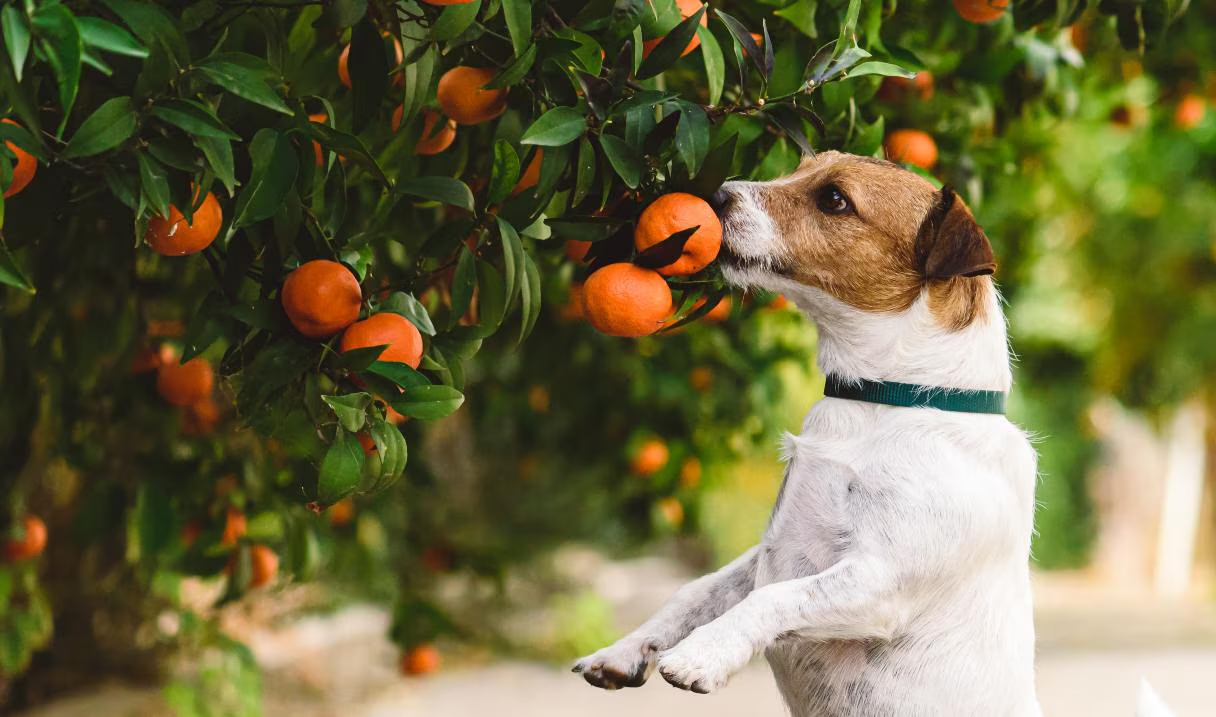
Then there’s the peel and seeds. This is where things can get more serious. I once treated a dog that had eaten an entire orange, including the peel. The peel caused a mild intestinal blockage, leading to discomfort and loss of appetite. Thankfully, we caught it early and avoided surgery, but it could have gone the other way.
When Oranges Are Actually Okay
In my practice, I don’t completely discourage oranges. I just recommend being selective.
If a dog is healthy, not prone to digestive issues, and enjoys the taste, a small piece of peeled orange every now and then is usually fine. I’ve seen plenty of dogs handle it without any trouble.
The keyword here is small. A slice or two—not a whole fruit.
I also advise owners to introduce it slowly. I’ve seen too many cases where a dog is given a large portion right away, and that’s when problems start.
Common Mistakes I See
Over the years, a few patterns keep showing up:
One is assuming all fruits are equal. Owners often lump oranges together with apples or bananas, which are generally easier on a dog’s system. Oranges are different because of their acidity.
Another mistake is feeding the peel. People don’t realize how tough and fibrous it is. Dogs don’t digest it well, and it can lead to blockages or irritation.
Portion control is another issue. I’ve had clients tell me, “He loves them, so I gave him more.” Dogs loving something doesn’t mean their bodies agree with it.
My Professional Recommendation
If you ask me directly whether you should feed your dog oranges, my answer is cautious.
I don’t actively recommend them, simply because there are better, safer treatment options available. At home, I don’t use oranges as treats for my dogs. I prefer foods that are less likely to upset my stomach.
That said, if your dog has already eaten a small amount and seems fine, there’s no reason to panic. Just keep an eye out for signs like vomiting, diarrhea, or unusual behavior.
Signs to Watch After Feeding Oranges
Based on what I’ve observed in clinic visits, these are the most common reactions:
- Loose stools or diarrhea
- Mild vomiting
- Reduced appetite
- Restlessness or discomfort
If these symptoms are mild, they usually pass on their own. But if they persist or worsen, it’s worth getting your dog checked.
Final Thoughts
Oranges sit in that middle ground—not dangerous in most cases, but not particularly beneficial either. I’ve seen dogs handle them well, and I’ve seen them react poorly even to small amounts.
That variability is what makes me cautious. As a veterinarian, I tend to favor consistency and predictability in a dog’s diet. Oranges don’t always offer that.
If you’re ever unsure about a specific food, I always tell my clients the same thing: simple is better. Dogs do best on steady, balanced diets free of unnecessary surprises.