
Dogs are curious and sometimes swallow things they shouldn’t, which can lead to serious health issues. One of the most dangerous is an intestinal blockage. Recognizing warning signs quickly helps protect your dog’s life.
What Is an Intestinal Blockage in Dogs
An intestinal blockage happens when something stops food or liquid from passing through the digestive system. This can be caused by objects like toys, bones, or even socks. Some dogs swallow items without properly chewing them. That increases the risk.
The blockage may be partial or complete. A partial blockage may allow some movement, but it can worsen. A complete blockage is more serious and can be life-threatening within 24 to 72 hours. Quick action is needed.
Puppies and younger dogs are at higher risk due to their tendency to mouth objects. Chew-prone breeds are also more susceptible. Small items can get stuck in narrow intestines, causing pain.
Common Symptoms You Should Watch For
Dogs with intestinal blockages often vomit, sometimes multiple times daily. They may also lose interest in food, and these changes can occur suddenly.
If you want to learn more about how to know if a dog has intestinal blockage, many pet care resources explain the symptoms and warning signs in detail. These guides often help owners understand when to seek urgent help. Reliable information can save time.
Abdominal pain is another sign. Dogs may whine, rest in unusual positions, or avoid touch. Their stomach may feel hard or swollen. Even a gentle touch can cause discomfort.
Other symptoms include constipation or difficulty passing stool. Some dogs may strain without success, while others pass small amounts of diarrhea. This depends on the severity of the blockage.
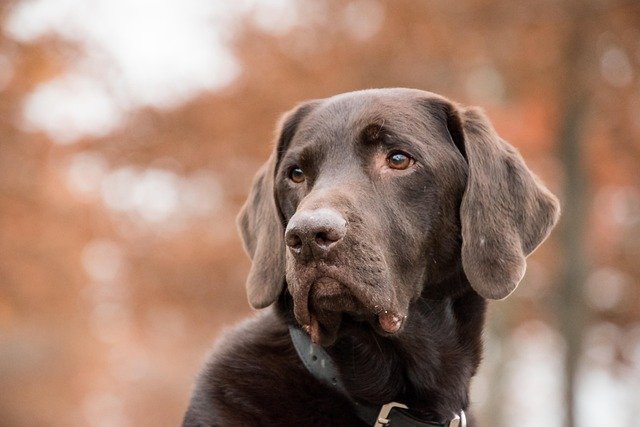
Behavioral Changes That Signal Trouble
Behavior may change before physical signs. An active dog may become withdrawn or sleep more, often signaling a problem.
Restlessness can also occur. Dogs may walk around without settling down or keep changing positions. This happens because they feel discomfort in their body. It is not always easy to spot at first.
A lack of energy is also common. Short walks may tire your dog, and some may avoid play or interaction. Any change in behavior should be noted.
Watch closely. Small changes matter. Early detection makes treatment easier and less risky.
What Causes Intestinal Blockages
Dogs can swallow many things that cause blockages. Common items include socks, plastic pieces, and small toys. Food items like corn cobs or large bones can also get stuck. These objects do not break down easily.
Here are a few typical causes you should know:
– Swallowing household items like socks or cloth pieces
– Eating large chunks of bones that do not digest well
– Chewing and swallowing parts of toys
– Consuming non-food items due to boredom or anxiety
– Eating spoiled or hard food that clumps inside the gut
Some medical conditions can also lead to blockages. Tumors or growths inside the intestines can block the passage. Parasites may cause severe buildup in rare cases. These problems are less common but still possible.
Dogs left alone for long periods may develop bad chewing habits. Boredom plays a big role here. A dog that lacks stimulation is more likely to swallow unsafe items. That can lead to serious trouble.
When to Visit the Veterinarian
Timing is critical when dealing with a possible blockage. If your dog vomits more than twice in a day, it is a warning sign. Loss of appetite for over 24 hours should also be taken seriously. Do not wait too long.
A veterinarian may use X-rays or an ultrasound to check for blockages. These tests help locate the object and decide the next step. In some cases, surgery is needed to remove the blockage. This procedure can take 1 to 2 hours, depending on the situation.
Delaying treatment can lead to severe complications. The intestine may tear or become infected. This can cause life-threatening conditions. Quick medical care improves the chances of recovery.
Trust your instincts. If something feels wrong, get help. Early care can save your dog’s life.
How to Prevent Future Problems
Prevention starts with controlling your dog’s environment. Keep small objects out of reach. Shoes, socks, and toys should be stored properly. A clean space reduces risk.
Provide safe chew toys that match your dog’s size and strength. Strong rubber toys are often a good choice. Replace damaged toys quickly. Broken pieces can be dangerous.
Regular exercise also helps. A dog that gets at least 30 minutes of activity each day is less likely to develop destructive habits. Mental stimulation is just as important. Puzzle toys and training games keep dogs engaged.
Training plays a key role. Teach commands like “leave it” and “drop it” early. These commands can stop your dog from swallowing harmful items. Practice them often for the best results.
Intestinal blockages are serious, but early awareness makes a difference. Paying attention to symptoms and acting quickly can protect your dog from harm. Simple habits at home can reduce risks and keep your pet safe, healthy, and active for years to come.