
The Boxer Dog Experience
As a licensed veterinarian practicing in Texas for over a decade, I’ve spent countless hours examining and treating Boxer dogs. One question I hear regularly from prospective owners and even longtime fans of the breed is, “Do Boxer dogs slobber?” Based on my hands-on experience, the answer is yes—but the reality is a little more nuanced than a simple yes-or-no.
Why Boxers Tend to Drool
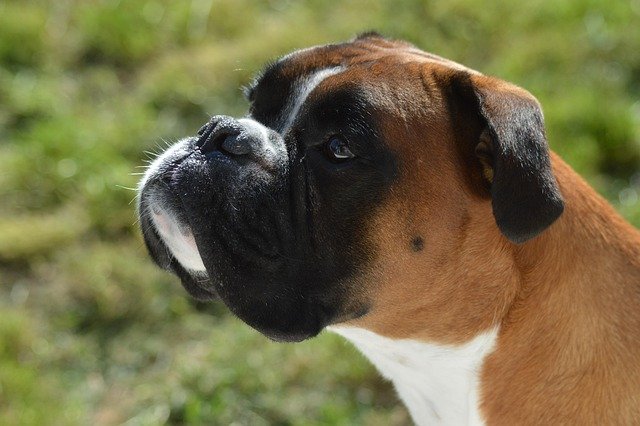
Boxers are brachycephalic dogs, meaning they have short muzzles and compact skull structures. In my experience, this anatomy naturally encourages drooling, though the amount can vary from dog to dog.
I’ve seen Boxers that produce only a modest amount of moisture around their mouths, while others can leave noticeable dribbles after play or a long walk. The tendency to slobber is often more pronounced in younger Boxers, especially during teething or after a vigorous chewing session.
A Real-Life Example: Bruno the Boxer
I recall a case last spring with a Boxer named Bruno. His owners were frustrated that puddles formed on the kitchen floor after every mealtime. When I examined him, his mouth and lip structure were typical for the breed, and there was no underlying health concern.
In situations like this, slobbering is simply a normal physiological trait. I advised his family to keep a clean towel handy and to gently wipe his muzzle after meals—simple, practical solutions that reduce frustration without stressing the dog.
Excitement and Exercise Can Increase Drooling
Another pattern I’ve noticed over the years involves excitement or exercise. Boxers are high-energy dogs, and their enthusiasm often triggers increased saliva production.
I remember attending a local dog show where a young Boxer, after a short sprint across the ring, left a trail of drool. This isn’t abnormal; it’s the combination of their brachycephalic anatomy and active temperament.
In my practice, I often tell owners that a little slobber during play or after running is perfectly natural and not a health concern.
When Excessive Drooling May Be a Problem
There are exceptions worth mentioning. Excessive drooling paired with symptoms like lethargy, vomiting, or oral lesions can indicate a health problem. I once treated a Boxer whose owners noticed unusually heavy drooling alongside gum inflammation.
Upon inspection, he had a minor dental infection. After treating the infection, the drooling returned to normal. This reinforces my advice: observe the context and frequency of slobbering rather than assuming every wet muzzle is a problem.
Tips for Managing Boxer Drool
From a practical perspective, managing a slobbery Boxer is largely about preparation and acceptance. Regular dental care, cleaning their facial folds, and maintaining hydration help keep the drooling manageable. I also recommend that owners choose chew toys and feeding bowls that minimize mess.
I’ve seen families completely change their approach to meal times—using absorbent mats or slightly elevating bowls—which dramatically reduced the cleanup without altering the dog’s natural behavior.
Final Thoughts
In my professional opinion, slobbering is a trait intrinsic to Boxers, but it doesn’t define them negatively. They are affectionate, energetic, and loyal dogs, and their drool is simply part of their charm.
Anyone considering a Boxer should expect some level of slobber, embrace it, and plan accordingly. In my years of veterinary practice, I’ve found that owners who understand this tend to enjoy their Boxers the most, appreciating both the playful energy and the occasional wet nose.
Boxers slobber—yes—but knowing why, when, and how to manage it turns what some see as a mess into just another part of life with this remarkable breed. 🐕