
Understanding Why Dogs Lick Their Paws
As a licensed veterinarian practicing in Texas for over a decade, I’ve seen countless cases of dogs persistently licking their paws. In some situations, this behavior is harmless—maybe your dog stepped in a bit of mud or got an itch from dry skin.
But often, excessive paw licking can signal an underlying issue, such as allergies or minor infections. Over the years, I’ve learned that some home remedies can help, though they work best when paired with careful observation and, at times, professional guidance.
Soothing Rinse with Lukewarm Water
One of the first remedies I usually suggest is a simple soothing rinse with lukewarm water. I remember a golden retriever I treated last spring whose paws were red and irritated after playing on a dusty trail.
By gently rinsing his paws twice a day and thoroughly drying them, the inflammation subsided remarkably quickly. Keeping the paws clean not only soothes the skin but also prevents bacteria from worsening the irritation.
Oatmeal Paste for Itchy or Inflamed Paws
Another approach that has worked well for my clients is using a mild, dog-safe oatmeal paste. I often recommend this for dogs with itchy or inflamed pads. I had a beagle named Max whose constant licking was leaving him with raw spots between his toes.
We made a paste from finely ground oatmeal and water, applied it to the paws for about 10 minutes, and then rinsed it off. Max found immediate relief, and within a week, the redness had decreased significantly.
The key is to use oatmeal meant explicitly for dogs or plain, unflavored oats—not flavored packets that contain additives.
Using Coconut Oil for Dry Paw Pads
Coconut oil is another remedy I frequently mention. It can help moisturize dry, cracked paw pads and has mild antibacterial properties. I had a Labrador client who developed dry pads during a particularly harsh winter.
By applying a small amount of coconut oil daily and preventing the dog from licking it off immediately (I recommend a soft sock or cone in some cases), his paws healed faster than expected. However, I always caution owners that excessive licking of the oil can cause mild stomach upset, so supervision is necessary.
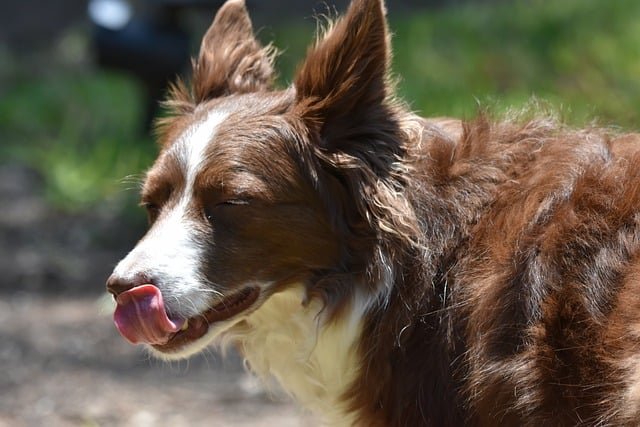
When Paw Licking Signals a Bigger Problem
While these remedies can help, it’s crucial to understand that persistent licking often signals an underlying problem. Allergies—whether to food, grass, or household chemicals—are a common culprit. In my practice, I’ve seen cases where home remedies provided temporary relief, but without addressing the allergy, the paw licking returned within days.
That’s why I always advise a careful evaluation: observe when and where the licking occurs, note any changes in the environment or diet, and consult a vet if the problem persists.
Avoiding Unsafe Products
One mistake I’ve noticed repeatedly among dog owners is applying human creams or essential oils without guidance. I once had a client try a store-bought antiseptic meant for humans on a poodle’s paw.
Within hours, the dog’s paws became red and inflamed, requiring veterinary treatment. Using dog-specific products or safe home remedies avoids this risk.
The Importance of Professional Evaluation
In my experience, a combination of cleaning, soothing, and moisturizing often helps dogs with mild paw licking. But for dogs who lick compulsively or show swelling, bleeding, or foul odor, professional evaluation is essential. A home remedy can soothe symptoms, but it can’t replace proper diagnosis and treatment.
Patience, Observation, and Proper Care
Over the years, I’ve learned that patience and careful observation are just as necessary as any treatment. I’ve seen dogs improve significantly with simple home care, yet others have required allergy testing or targeted medication.
As a pet owner or caregiver, watching your dog’s behavior, trying gentle remedies safely, and knowing when to seek professional help makes the most significant difference.