
Everything You Need To Know
As a licensed veterinarian practicing in Texas, I’ve treated a wide range of pet emergencies over the past decade, and chocolate ingestion in cats is one issue I see more often than many people realize. Many cat owners assume their feline companions can nibble on chocolate like dogs occasionally do, but in my experience, even a small amount can be risky.
Understanding Chocolate Toxicity in Cats
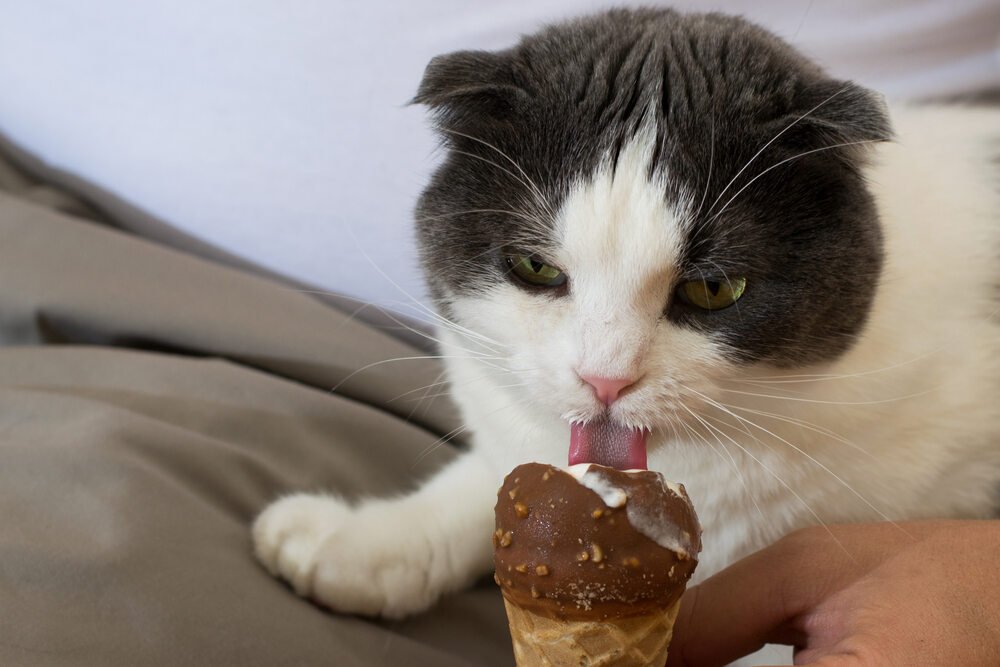
Chocolate contains theobromine and caffeine, both of which are stimulants toxic to cats. Unlike humans, cats metabolize these compounds very slowly, which can lead to serious consequences even with minimal ingestion. Over the years, I’ve seen cases where a cat licked a half-eaten candy bar left on a counter, leading to vomiting, hyperactivity, and a rapid heart rate.
One particular case involved a customer who brought in a 6-pound cat that had consumed a few chocolate chips. The cat was trembling and restless, and we had to induce vomiting and provide IV fluids. That small amount could have escalated into seizures if untreated.
Dark chocolate is far more dangerous than milk chocolate because it contains a higher concentration of theobromine. White chocolate, while lower in toxicity, still isn’t safe due to its fat and sugar content. I once treated a curious cat that had nibbled a white chocolate bar meant for baking.
While the cat didn’t show immediate severe symptoms, it developed diarrhea and mild vomiting, reminding me that even lower-risk chocolate types can trigger discomfort and gastrointestinal upset.
Common Mistakes I’ve Seen
One mistake I encounter frequently is owners assuming that small tastes are harmless. I’ve had a family whose cat casually licked chocolate frosting off a cake. They didn’t think it mattered, but hours later, the cat was pacing, panting, and showing signs of rapid heartbeat. Quick intervention saved the cat, but it reinforced that cats can react to far smaller doses than many anticipate.
Another issue is underestimating hidden chocolate in foods. Cookies, brownies, and hot cocoa mix are all hazardous. A client last spring accidentally left a bag of chocolate-covered nuts in reach of their cat. By the time they noticed, the cat had ingested enough to require hospitalization for monitoring and supportive care. Situations like these highlight how vigilant cat owners need to be, especially during holidays when chocolate is more readily available.
Practical Advice for Cat Owners
From my experience, the safest approach is complete avoidance. Never offer chocolate as a treat, and keep all forms—baking chocolate, candy bars, cookies, and chocolate drinks—well out of reach. Cats are naturally curious and may explore smells or taste unfamiliar foods, so storage in sealed cabinets or containers is essential.
If a cat does ingest chocolate, act quickly. Call your veterinarian immediately, noting the type of chocolate, estimated amount, and your cat’s weight. Early intervention can prevent complications like seizures, arrhythmias, and, in severe cases, death. I’ve seen multiple instances where prompt treatment made all the difference between a minor scare and a life-threatening situation.
In my practice, the rule is simple: chocolate is not safe for cats. Even small exposures can lead to serious health issues, and the risk far outweighs any potential therapeutic value. Through years of seeing the consequences firsthand, I always advise cat owners to treat chocolate as strictly off-limits and focus on cat-safe alternatives for snacks and treats.