
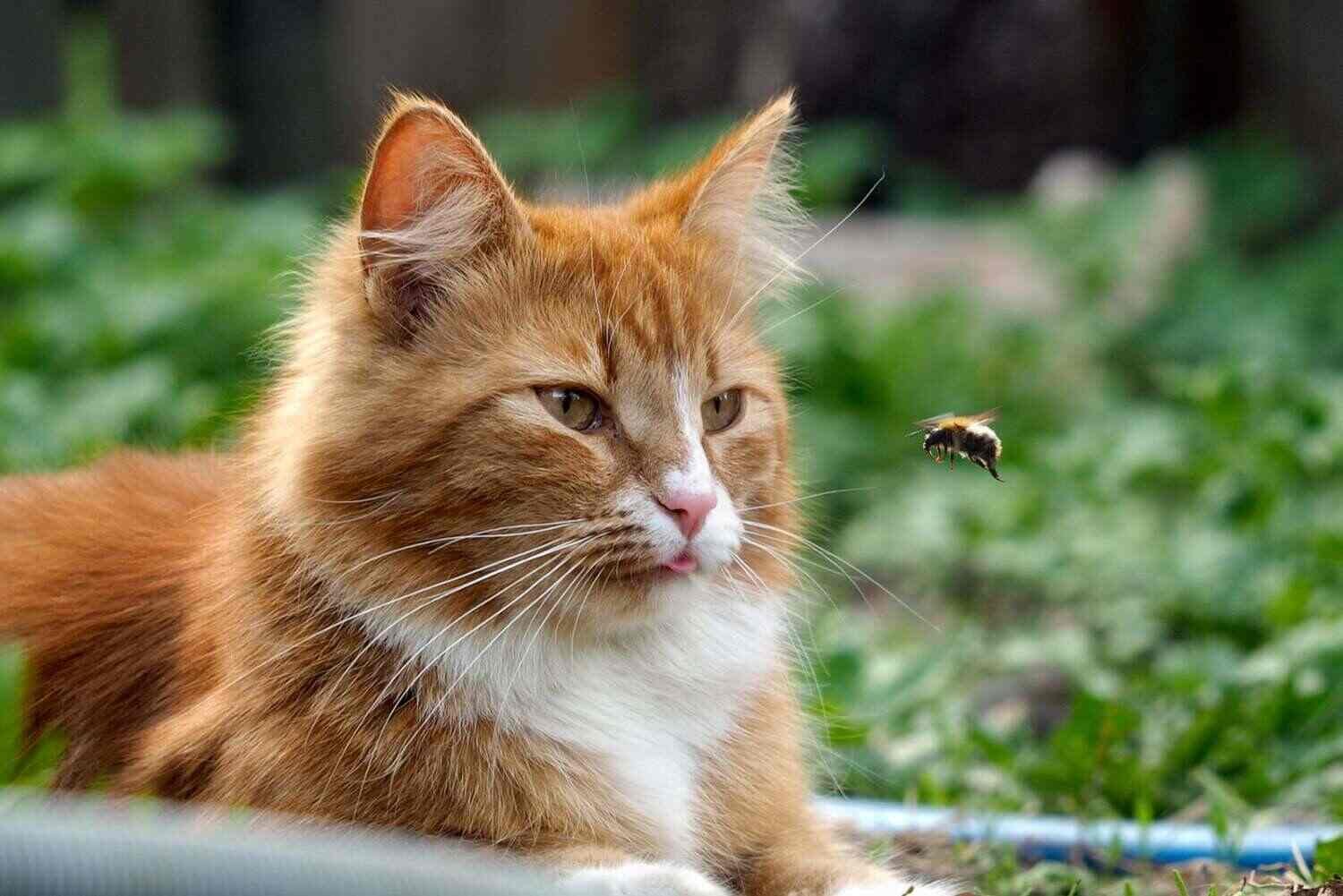
As a licensed veterinarian practicing in Texas, I’ve treated more than a few cats who had the misfortune of a bee sting. While cats are often cautious hunters, they can be curious about buzzing insects, and a single sting can quickly turn a playful encounter into a veterinary visit.
I’ve seen firsthand how reactions can range from mild discomfort to serious allergic responses, and sharing these experiences helps pet owners respond effectively if it happens at home.
How Cats React to Bee Stings
I remember a case last spring where a young indoor-outdoor cat came into the clinic after a neighbor reported seeing him swat at a bee near the garden. Within minutes, the cat’s paw was swollen, and he was limping and licking the area incessantly.
This is a common reaction—localized pain, redness, and swelling at the sting site. Cats may paw at the area, drool, or even vocalize discomfort. In many cases, the reaction is mild and self-limiting, and with careful monitoring and a cold compress, the cat can recover without long-term issues.
However, I’ve also treated cats with more severe reactions. A client brought in her senior cat, who had been stung around the mouth while exploring flowers in the yard. Within an hour, the cat’s face and lips were noticeably swollen, and he had trouble breathing. Bee venom can trigger allergic reactions in cats, just as it can in humans. In severe cases, symptoms can include widespread swelling, vomiting, lethargy, and even anaphylaxis. In these situations, immediate veterinary care is critical, and I often administer antihistamines, steroids, or supportive care to stabilize the cat.
Another incident involved a cat that disturbed a wasp nest in the garage. Multiple stings caused significant swelling on the cat’s ears and neck, accompanied by restlessness and mild respiratory distress. While the cat responded well to treatment in the clinic, the owner was shocked at how quickly a curious encounter escalated. This reinforced what I tell clients: even a brief encounter with stinging insects can be dangerous, particularly for cats with a history of allergies.
What Owners Can Do Safely at Home
From my experience, the first step is to remove the stinger if it’s visible, especially on the paw, lip, or ear. Using a credit card or fingernail to gently scrape it off works best—never pinch it, as this can inject more venom. Applying a cold compress can help reduce swelling and soothe pain.
I’ve also found that monitoring your cat for the next few hours is crucial. Signs of systemic reaction—trouble breathing, excessive drooling, vomiting, lethargy, or swelling beyond the sting site—warrant an immediate veterinary visit. In mild cases, some cats only need observation and supportive care at home, but I always emphasize that the line between mild and severe reactions can be thin.
Cats with known allergies or cats who have been stung before may need an emergency plan in place. I’ve worked with owners to keep antihistamines on hand under veterinary guidance, but I only recommend this after assessing each cat’s health history, weight, and risk factors. Administering medications without professional advice can be dangerous.
Conclusion
In my practice, prevention is often easier than treatment. Supervising outdoor time, keeping cats away from areas where bees and wasps are active, and trimming flowering plants near entrances can reduce encounters. I’ve seen households where small adjustments—like closing garage doors or placing flower pots out of reach—prevented repeat incidents entirely.
Bee stings in cats are usually manageable, but they can escalate quickly. Understanding the signs of a reaction and acting promptly can make a big difference. From my experience, being prepared, staying calm, and seeking veterinary care when needed is the best approach to keep your cat safe and comfortable after a sting.