
As a licensed veterinarian practicing in Texas for over a decade, I’ve seen my fair share of curious cats and the occasional plant-related emergency. Mums, or chrysanthemums, are a common decorative flower in homes, especially during spring and fall, and they often catch the attention of our feline friends.
I’ve treated several cats over the years who couldn’t resist nibbling on them, so I want to share my firsthand experience with the risks they pose and how to keep your cat safe.
Why Mums Are Toxic to Cats
Mums contain substances called pyrethrins and sesquiterpene lactones, which are mildly toxic to cats if ingested. I remember a client last spring whose indoor cat, a playful Siamese, managed to chew on a small bouquet of chrysanthemums sitting on a low coffee table.
Within a few hours, the cat was vomiting and seemed unusually lethargic. While the symptoms were mild in this case, I’ve also seen situations where larger quantities caused diarrhea, drooling, and even coordination issues. The severity often depends on how much of the plant the cat ingests and the individual cat’s sensitivity.
Risks Beyond Ingestion
It’s not just ingestion that can be risky. Cats are notorious for brushing against plants and then licking their fur, unintentionally transferring small amounts of toxins into their system.
A tabby I treated last fall had been rubbing against a pot of mums in a sunroom and later exhibited drooling and a slight lack of appetite. It wasn’t a severe reaction, but it was enough to warrant monitoring and a short visit to my clinic. From these experiences, I’ve learned that even casual contact can trigger mild symptoms in sensitive cats.
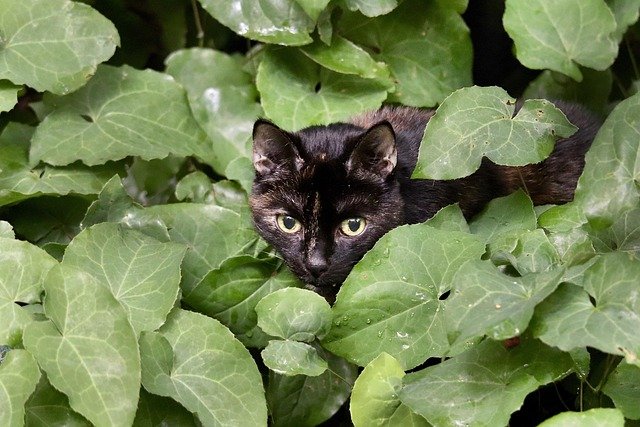
How to Keep Your Cat Safe Around Mums
In my practice, I usually advise pet owners to either avoid having chrysanthemums indoors or place them out of reach, such as on high shelves or in rooms your cat can’t access. Some clients have tried using deterrents like citrus sprays, which can help because cats generally dislike the scent.
I’ve also recommended alternative, non-toxic plants like cat grass or spider plants for homes where a touch of greenery is desired without the risk.
Why Awareness Matters for Cat Owners
I’ve found that awareness is key. Many cat owners assume that a flower in a vase is harmless, but my hands-on experience repeatedly shows that even small amounts can cause problems. One particularly memorable case involved a household with multiple cats.
One curious kitten managed to chew on a few petals from a freshly cut bouquet, and while the older cats showed no interest, that single nibble caused a brief but noticeable upset stomach. Seeing the contrast reinforced for me that each cat can react differently, even in the same environment.
Final Advice from a Veterinarian
Ultimately, my advice as a veterinarian is clear: treat chrysanthemums as a potentially hazardous plant for cats. By observing your cats’ behavior, understanding their curiosity, and taking preventive measures, you can avoid unnecessary trips to the clinic.
I’ve found that most families are relieved to learn that simple changes, like moving the flowers to an inaccessible spot or choosing safer plants, are usually enough to prevent any mishaps.
Conclusion
Mums are beautiful flowers, but in my experience, the small risk they pose to cats isn’t worth it when safer alternatives are available. Keeping your feline companions safe often comes down to anticipating their curiosity and acting before a nibble becomes a medical issue. I’ve seen enough mild cases—and a few more concerning ones—to firmly recommend caution with these popular blooms.