
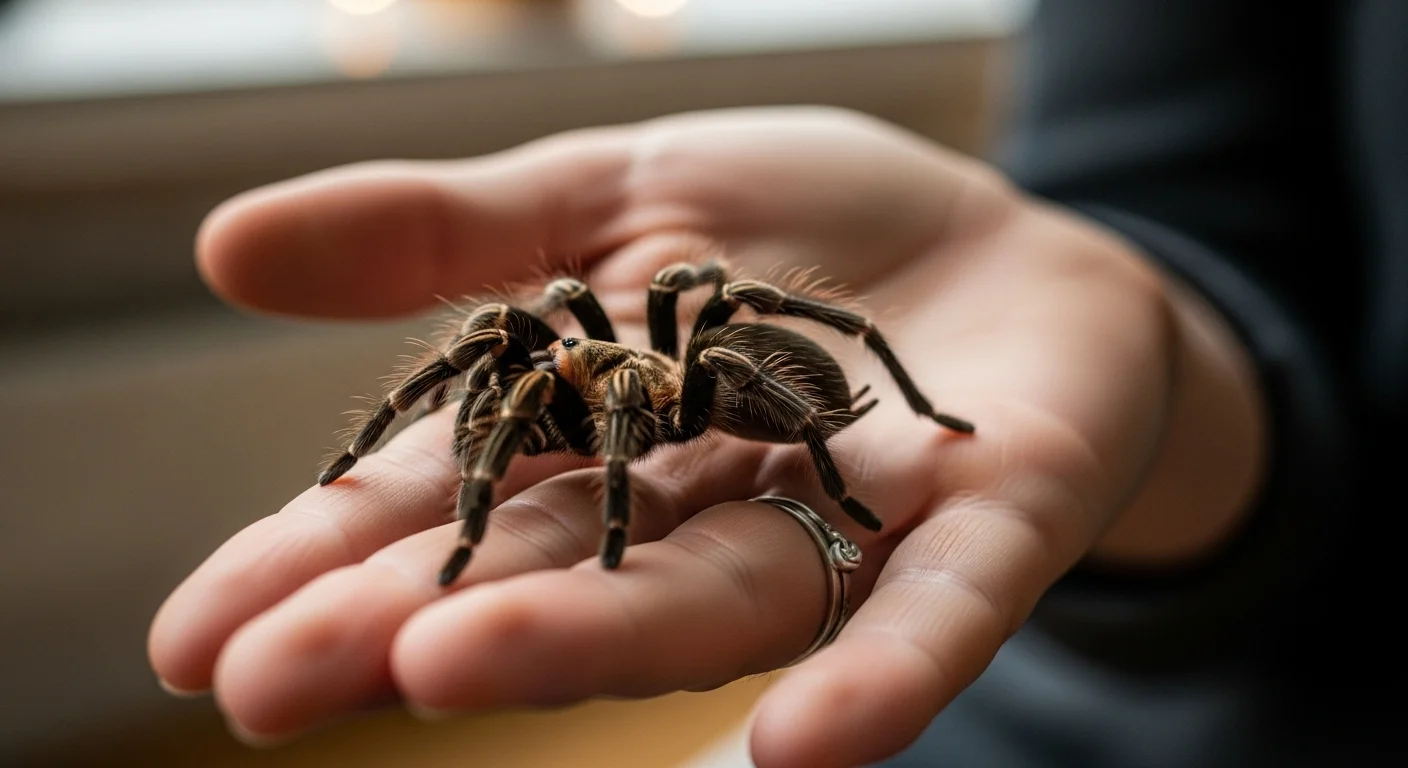
What Is a Jumping Spider?
Jumping spiders belong to the family Salticidae, which includes over 6,000 species worldwide. Unlike most spiders, leaping spiders rely on keen vision rather than webs to hunt. They stalk prey, calculate distance, and soar with surprising precision.
What truly sets them apart is their behavior. Jumping spiders are alert, expressive, and frequently appear curious about their surroundings. Many proprietors report that their spiders watch them, react to movement, or even apprehend feeding routines. Because of those traits, studying a way to hold a leaping spider as a puppy is much less intimidating than maintaining other spiders.
Why Keep a Jumping Spider as a Pet?
There are many reasons human beings choose jumping spiders over more conventional pets or even other arthropods.
- Low Maintenance
Jumping spiders require minimum space, easy feeding, and primary environmental control. This makes them best for apartments, dorms, or busy lifestyles.
- Intelligent and Curious
There are many of the most intelligent spiders, able to solve problems and study patterns.
- No Web Mess
Unlike web-constructing spiders, leaping spiders do not cover their enclosure in webs.
- Great for Beginners
If you’re new to invertebrates, studying how to hold a jumping spider is a great entry point.
- Educational Value
They are terrific pets for studying approximately arachnid behavior, biology, and responsibility.
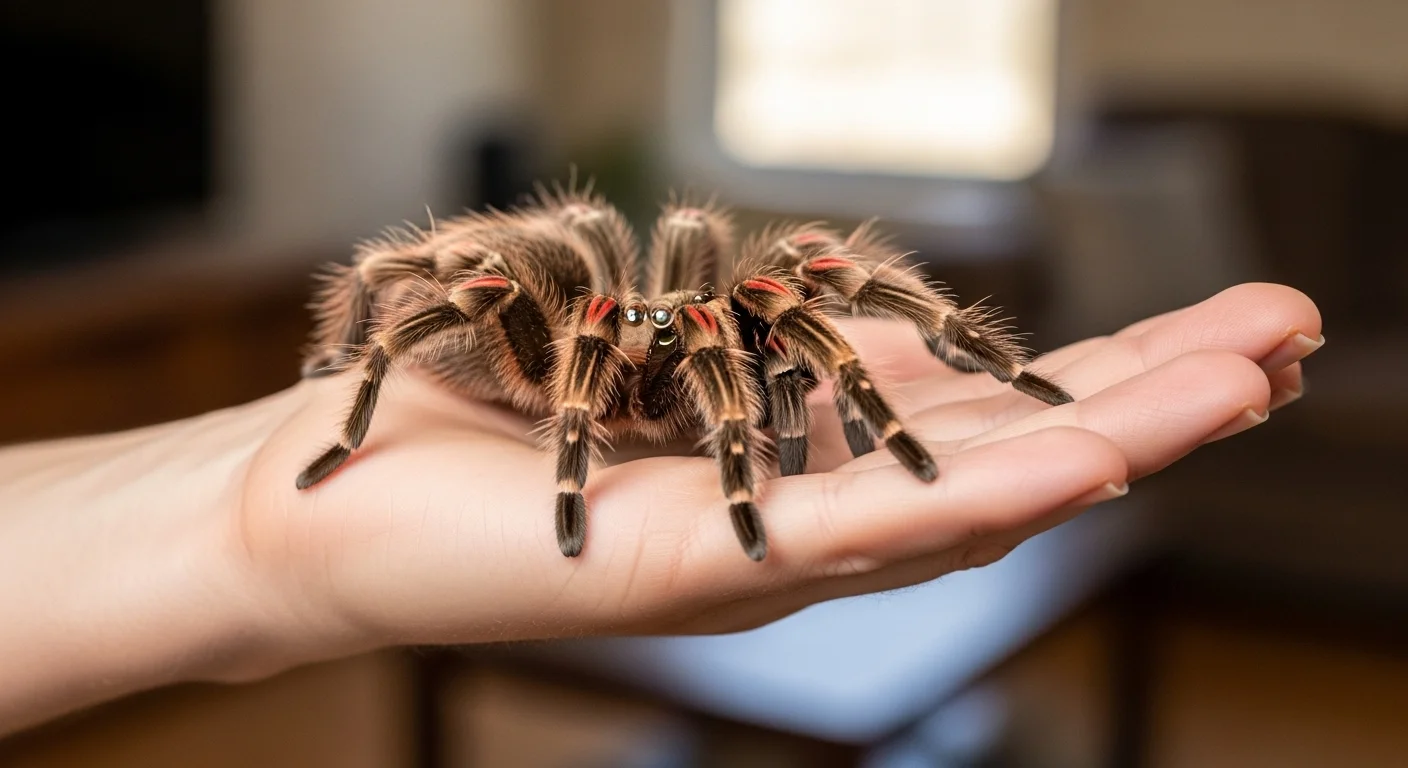
Popular Jumping Spider Species for Pets
Not all leaping spiders are perfect for captivity. Below are some of the most famous pet species.
Regal Jumping Spider
Friendly and bold
Large size
Black and white with colorful chelicerae
Bold Jumping Spider
Hardy and adaptable
Excellent for beginners
Recognizable via white spots on the abdomen
Zebra Jumping Spider
Smaller size
Striking black-and-white pattern
More energetic, however, barely less handleable
Choosing the right species is step one in successfully raising a jumping spider as a pet.
Where to Get a Pet Jumping Spider
You can gather a leaping spider in numerous ways:
Reputable breeders (recommended)
Exotic puppy expos
Online invertebrate sellers
Ethically gathered wild specimens.
Buying from a breeder guarantees a healthy spider accustomed to captivity, which makes it much easier for beginners to raise a jumping spider.
Jumping Spider Lifespan
Jumping spiders usually stay:
Males: 6–12 months
Females: 1.5–three years
Females live longer, and people are more commonly keeping them as pets.
Jumping Spider Enclosure Setup
A proper enclosure is critical when learning how to care for a jumping spider as a pet.
Enclosure Size
Minimum: 4x4x6 inches
Vertical area is crucial for climbing
Best Enclosure Types
Acrylic spider enclosures
Modified plastic containers
Ventilated terrariums
Ventilation
Good airflow prevents mold and maintains humidity stability.
General Options
Substrate enables preserving humidity and cleanliness.
Best options:
Coconut fiber
Sphagnum moss
Paper towel (for beginners)
Avoid soil with fertilizers or chemicals.
Decor and Enrichment
Jumping spiders love hiking and hiding.
Add:
Cork bark
Artificial plants
Twigs and branches
Silk or mesh hides
Enrichment plays a huge role in helping a puppy leaping spider stay mentally stimulated.
Temperature and Humidity Requirements
Temperature
Ideal range: 70–80°F (21–27°C)
Avoid surprising temperature changes
Humidity
50–70% humidity
Light misting each 1–2 days
Never soak the enclosure; over-misting is a common amateur mistake.
Lighting Needs
Jumping spiders’ advantage from mild herbal cycles.
Indirect daylight or room lights
12-hour mild / 12-hour darkish cycle
Avoid direct daylight to save you from overheating
Proper lighting enables them to modify their behavior and feeding habits.
What Do Jumping Spiders Eat?
Feeding is one of the most essential elements of preserving a leaping spider as a puppy.
Best Foods
Fruit flies
Small crickets
House flies
Mealworms (occasionally)
Feeding Schedule
Juveniles: Every 1–2 days
Adults: Every 2–three days
Feed preys no larger than the spider’s body.
Water and Hydration
Jumping spiders no longer drink from bowls.
Hydration methods:
Light misting
Water droplets on enclosure walls
Moist cotton or sponge
Never leave water standing, as spiders can drown in it.
Molting: What to Expect
Jumping spiders molt numerous times as they grow.
Signs of molting:
Refusing food
Staying inside a silk hide
Reduced activity
Do not disturb or feed for the duration of molting. Understanding this system is essential for learning how to keep a leaping spider puppy safely.
Handling a Jumping Spider
One of the most significant factors is their handleability.
Handling Tips
Let the spider stroll onto your hand
Never clutch or pinch
Handle over a smooth surface
Limit dealing with sessions
Not all spiders revel in dealing with human personalities.
Are Jumping Spiders Dangerous?
Jumping spiders aren’t risky to humans.
Venom is mild
Bites are sporadic
Comparable to a mosquito bite
They are a lot more secure than many people assume, which is why hobbyists keep them to grow.
Cleaning and Maintenance
Regular preservation maintains your spider healthy.
Weekly tasks:
Remove uneaten prey
Spot easy waste
Check humidity and ventilation
Monthly tasks:
Replace substrate if needed
Clean enclosure walls
Avoid harsh chemicals; simple water is generally enough.
Common Mistakes to Avoid
When getting to know the way to maintain a puppy leaping spider, keep away from those not unusual place errors:
Overfeeding
Excessive cleaning
Too huge a prey
Direct daylight exposure
Disturbing for the duration of molting
Simple care errors are the principal motive of early spider deaths.
Jumping Spider Behavior Explained
Understanding your puppy’s behavior helps you bond with your puppy.
Common behaviors:
(curiosity)
(communication)
(sleeping)
Jumping in the direction of movement
These behaviors make leaping spiders uniquely captivating pets.
Breeding Jumping Spiders (Advanced)
Breeding isn’t always encouraged for beginners.
Challenges include:
Cannibalism risk
Egg sac care
Feeding loads of spiderlings
Master a way to preserve a leaping spider as a puppy before trying breeding.
Jumping Spider vs Butterfly as a Pet
Some people also look for ways to keep a butterfly as a pet; however, butterflies have specific care needs.
Butterflies
Short lifespan
Limited interaction
Require host plants
Fragile wings
Jumping Spiders
Longer lifespan
Interactive
Minimal space
Hardy
For most humans, jumping spiders are far more realistic and profitable pets.
Is a Jumping Spider the Right Pet for You?
A leaping spider can be ideal in case you:
Want a quiet, small puppy
Enjoy staring at conduct
Have a confined space
Prefer low maintenance
They might not be perfect if you need cuddling, consistent interaction, or lengthy everyday coping sessions.
Legal and Ethical Considerations
Check neighborhood legal guidelines before gathering wild spiders
Never launch captive spiders into the wild
Buy from moral breeders while possible
Responsible possession is part of learning how to care for a jumping spider properly.
Important points to remember:
Why Jumping Spiders Make Unique Pets
Jumping spiders are not like most conventional pets because they show interest and awareness of their surroundings. They frequently turn their heads to track motion and respond to human presence. This conduct makes them feel more interactive than many other small pets. Because of their intelligence, many beginners are drawn to learning how to keep a jumping spider as a pet. Their attractive nature makes them captivating to examine daily.
Space Requirements for a Pet Jumping Spider
One of the most essential benefits of retaining a leaping spider is the minimum area required. A small vertical enclosure provides ample space for hiking and exploration. This makes them perfect for apartments, dorm rooms, or desks. Learning how to hold a leaping spider puppy does not require large tanks or expensive setups. Proper formatting takes precedence over the enclosure size.
Daily Care Routine for Jumping Spiders
Daily care for a jumping spider is easy and stress-free. Owners ought to test humidity, examine conduct, and dispose of uneaten prey. Gently misting every one or two days helps maintain hydration. In some instances, adults require feeding only once a week. This smooth ordinary is why many people choose to learn how to keep a jumping spider as a pet.
Feeding Response and Hunting Behavior
Jumping spiders actively hunt their prey instead of waiting in webs. They visually sing bugs and bounce with precision. Watching this conduct is one of the most exciting aspects of ownership. Feeding on prey continues to inspire and keep them healthy mentally. Understanding this behavior is crucial to properly caring for a leaping spider puppy.