
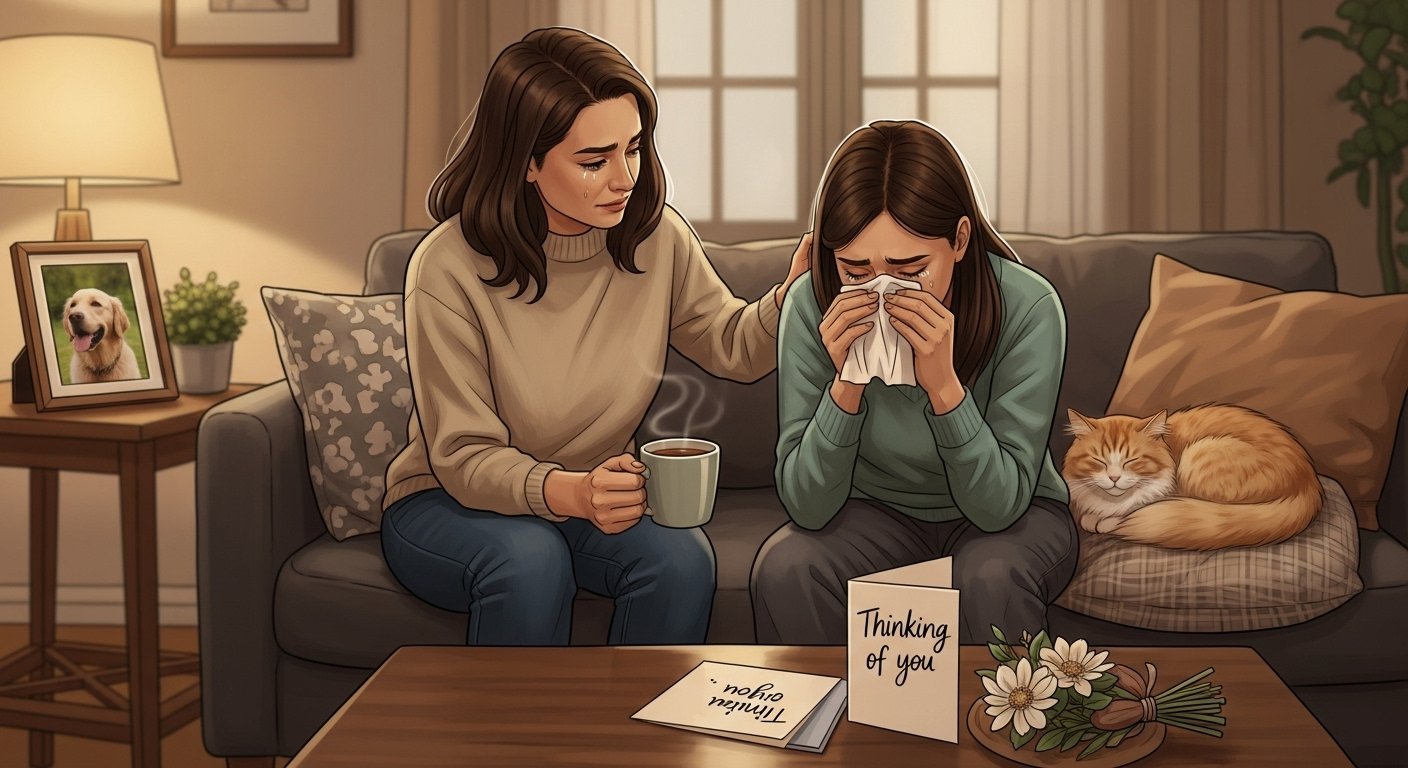
Losing a puppy, giving one away, or preparing to say goodbye at the end of a puppy’s life may be among the most emotionally challenging experiences someone or a family will ever face. Pets are not “simply animals.” They are companions, confidants, protectors, and their own circle of relatives. The grief surrounding pets is real, deep, and frequently misunderstood.
This complete manual explores ways to assist a person who has lost a puppy, a way to assist a toddler cope with giving a puppy away, and a way to assist a puppy move over peacefully. Whether you’re helping a cherished one, guiding a toddler, or dealing with an end-of-life decision yourself, this book offers practical advice, emotional support strategies, and compassionate insight.
Understanding the Emotional Bond Between Humans and Pets
Before assisting a person through puppy loss or separation, it’s vital to understand why it hurts so deeply.
Pets provide:
Unconditional love
Routine and stability
Emotional comfort
A feel of purpose
Companionship without judgment
For many people, pets are gifts at key life events, such as moving, relationship changes, illnesses, and emotional hardships. Losing them can feel like losing part of one’s identity or daily life. Recognizing this bond validates grief rather than disregarding it.
How to Help Someone Who Lost a Pet
Acknowledge Their Grief Without Minimizing It
One of the most vital things you can do is validate their pain. Avoid terms like:
“It became only a puppy.”
“You can get some other one.”
“At least it didn’t stay that long.”
Instead, say:
“I understand how a good deal they intended to you.”
“I’m so sorry for your loss.”
“Your grief makes the entire feel.”
Validation creates protection and permits restoration to begin.
Listen More Than You Speak
Grieving puppy proprietors frequently need to speak about:
How their puppy died
Memories they shared
Regrets or guilt
The silence of their home
You don’t want to repair anything. Listen. Allow pauses. Let them cry. Your presence is greater than advice.
Offer Practical Support
Grief could make ordinary responsibilities overwhelming. Simple acts of kindness can suggest everything:
Bringing meals
Helping smooth puppy property if asked
Offering childcare or errands
Sending a heartfelt message or card
Avoid dashing them to “circulate on.” Healing has no timeline.
Respect Different Grieving Styles
Some human beings cry openly. Others grow to be quiet or withdrawn. Some need to memorialize their puppy, even as others want distance.
There is no “right” manner to grieve. Let the people lead the process.
Encourage Healthy Expression of Grief
Helpful retailers include:
Writing letters to the puppy
Creating a picture graph album or reminiscence box
Planting a tree or flower
Donating to an animal charity in their puppy’s name
These acts help transform grief into remembrance.
Watch for Complicated Grief
If grief becomes overwhelming, interfering with sleep, work, or everyday functioning for months, seek expert support. Pet loss counselors and therapists can assist without judgment.
How to Help a Child Deal with Giving Away a Pet
Giving away a puppy may be particularly perplexing and painful for children. They might also experience grief, guilt, anger, or worry of abandonment.
Be Honest, Age-Appropriate, and Calm
Children want the truth; however, you should shape it to their developmental level.
Avoid lies such as:
“The puppy ran away.”
“We’re simply sending them on vacation.”
Instead, lightly explain:
Why the puppy desires a unique home
That the choice isn’t always the child’s fault
That their emotions are valid
Honesty builds belief and emotional security.
Allow the Child to Grieve the Loss
Even if the puppy isn’t always dying, giving it away remains a loss.
Let children:
Cry
Ask questions
Express anger or sadness
Miss the puppy openly
Avoid statements like:
“Don’t be sad.”
“You’ll overlook soon.”
Grief needs space to be felt.
Reassure Them About Stability and Love
Children may also fear:
Losing different cherished ones
Being “given away” themselves
That love is conditional
Reassure them clearly:
The puppy is being cared for
They are secure and cherished
Families, on occasion, make difficult choices; however, love remains
Repetition is key; kids want reassurance more than once.
Create a Goodbye Ritual
Closure is necessary for kids.
Ideas include:
Drawing snapshots for the puppy
Writing a goodbye letter
Having a small farewell ceremony
Taking pictures together
Rituals concretely assist kids’ procedural feelings.
Keep the Pet’s Memory Alive (If Helpful)
Some kids locate consolation in:
A framed photo
A preferred toy or collar
A storybook about pets and loss
Others may also want more time before revisiting memories. Follow the child’s lead.
Model Healthy Emotional Expression
Children discover ways to grieve with the aid of looking at adults.
Show them:
It’s ok to be sad
Feelings by Skip, however, love remains
Talking helps
This feeling builds emotional resilience in the face of devastating losses.
How to Help a Pet Cross Over Peacefully
Helping a puppy “pass over” refers to supporting them on the stop of life, whether or not via hospice care, herbal passing, or euthanasia. This phase is one of the toughest choices a puppy proprietor can face.
Recognizing When a Pet Is Near the End of Life
Signs may also include:
Chronic ache
Loss of appetite
Difficulty in respiration or moving
Confusion or withdrawal
Loss of pleasure in favorite activities
Veterinarians can assist in objectively assessing the quality of life.
Making the Decision with Compassion, Not Guilt
Many puppy proprietors experience guilt when thinking about euthanasia. It’s essential to remember:
Choosing consolation over struggling is an act of love
Animals stay within the present, not the future
Prolonging pain isn’t kindness
Ask yourself:
Is my puppy nevertheless taking part in existence?
Am I appearing for them or for my very own worry of loss?
Creating a Peaceful Environment
Whether at home or in a clinic, consolation matters.
Ways to assist a puppy move over peacefully:
Stay calm and present
Speak softly
Hold or contact them if they revel in it
Bring acquainted blankets or toys
Your electricity influences your puppy more than your words.
Being Present During the Passing
Many vets inspire proprietors to live throughout euthanasia if they can.
Benefits include:
Reducing the puppy’s anxiety
Providing consolation in their very last moments
Offering closure for the owner
“However, if you cannot live up to it, do not judge yourself. One moment does not measure love.”
Saying Goodbye in Your Own Way
There isn’t any script for the very last goodbye. Speak from the heart:
Thank them
Apologize if needed
Tell them they’re loved
Permit to rest
Animals reply to tone and intention, even supposing they don’t recognize words.
After the Passing: Honoring the Bond
Options include:
Burial or cremation
Memorial services
Keepsakes like paw prints or urns
Journaling memories
Grief after euthanasia may be complex. Relief, sadness, guilt, and peace regularly coexist.
Supporting Yourself After Helping a Pet Cross Over
Caregivers frequently neglect their own needs.
Be mild with yourself:
Rest
Cry without shame
Talk approximately your puppy
Avoid self-blame
Grieving deeply the way you cherished deeply.
Common Myths About Pet Loss and Letting Go
“Time Heals Everything”
Time helps; however, energetic processing heals. Ignored grief can resurface later.
“You Should Be Over It by Now”
There isn’t anyt any expiration date on love or grief.
“Getting Another Pet Replaces the Old One”
New pets create new bonds. They no longer update the misplaced ones.
When to Seek Professional Support
Consider expert assistance if:
Grief feels insufferable for months
You enjoy despair or anxiety
Guilt will become obsessive
Daily lifestyles feel impossible
Pet loss counselors exist because this pain is real.
Teaching Compassion Through Pet Loss
Though painful, puppy loss can teach:
Empathy
Responsibility
Emotional literacy
Respect for lifestyles
Handled with care, it could emerge as a significant lifestyle lesson, especially for children.
Important points to remember:
Acknowledge the Pain of Losing a Pet
Losing a puppy causes real, deep emotional pain that owners cannot simply minimize.
Pets are part of a circle of relatives members, not just animals, and their absence leaves a deep void.
Listening without judgment helps the grieving man or woman feel understood.
Avoid rushed recommendations or comparisons to human loss.
Simple empathy can deliver more consolation than words.
Offer Emotional and Practical Support
Grieving puppy owners may also struggle with everyday routines.
Offering meals, help, or type messages suggests proper care.
Being gift subjects, rather than seeking to restore the pain.
Allow them to share reminiscences as regularly as they need.
Support needs to be retained even after the initial days.
Allow Children to Express Their Feelings
Children may also feel sadness, anger, or confusion when giving a puppy.
Let them cry, talk, or ask repeated questions without dismissal.
Their feelings are legitimate and need to be respected.
Suppressing emotions can lead to long-term emotional issues.
Open expression facilitates kids heal in a wholesome way.