
Real-Life Tips from a Professional Trainer
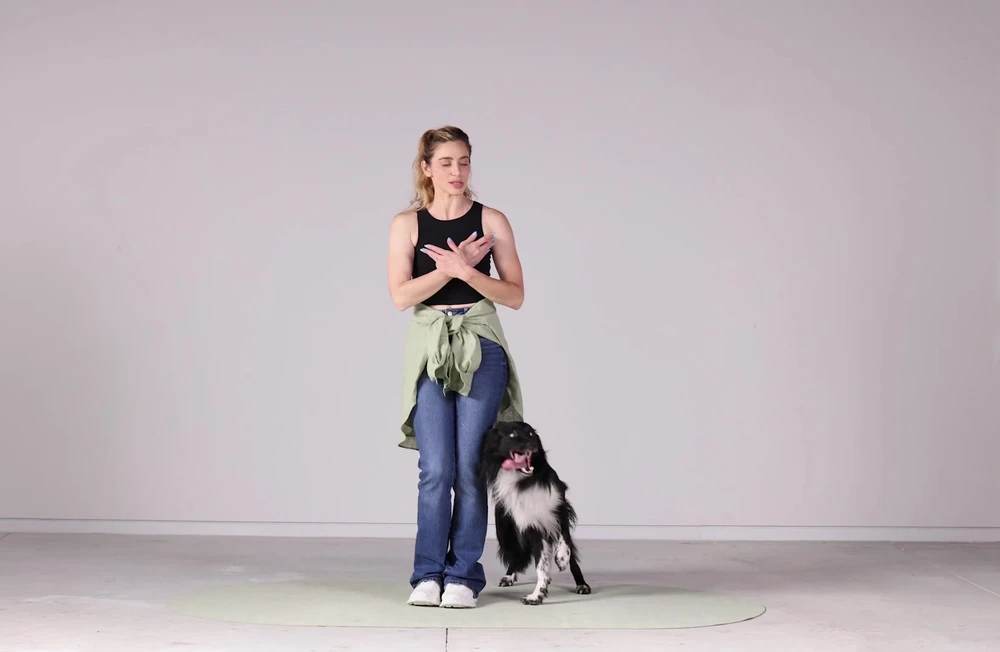
I’ve been training dogs for over a decade, and one of the most fun—and surprisingly achievable—tricks I’ve taught clients’ dogs is dancing. By dancing, I don’t mean your dog will be performing a full choreography on Dancing with the Stars, but rather standing on their hind legs, spinning, or moving in rhythm with cues.
I’ve worked with dogs of all sizes, from energetic Jack Russells to gentle Newfoundlands, and I’ve found a few practical strategies that really help.
Assess Your Dog’s Physical Readiness
The first thing I do with any dog is assess their comfort level on their hind legs. In my early years, I had a client with a young Labrador who kept tipping over whenever we tried a “stand-and-spin” trick.
I realized I had pushed too fast—he wasn’t ready physically. From that experience, I started teaching dogs to shift weight gradually. We’d start with the dog standing on hind legs for just a second, rewarding immediately with a treat, then build up to longer holds. Small increments make a huge difference, and dogs respond better when the training feels achievable rather than forced.
Use Body Language Alongside Treats
Another key is using your body, not just treats, as guidance. With a border collie I trained last spring, I noticed she learned faster when I used hand motions along with verbal cues.
A raised hand meant “up,” a gentle spin of my palm meant “turn.” She was an eager learner, and the combination of visual cues and positive reinforcement accelerated her progress. I’ve found this works especially well with dogs who are highly intelligent or visually oriented—they start anticipating your next move and connect it with the motion you want them to perform.
Keep Training Short and Consistent
Consistency matters more than duration. I’ve seen many dog owners get frustrated after a single 20-minute session, thinking their dog “doesn’t get it.”
Dogs, like humans, learn through repetition and positive reinforcement. For one client, we kept training sessions to five minutes a couple of times a day. Their dachshund was spinning and standing on its hind legs within a few weeks. Short, consistent practice keeps dogs enthusiastic rather than stressed.
Prioritize Safety and Comfort
Safety is a real concern I never skip. Not every dog is physically suited for dancing on its hind legs, particularly larger breeds or dogs with joint issues. I had a golden retriever with sensitive hips; we focused on low-impact movements, like circling or a gentle two-step sway, rather than full spins. Watching their comfort and adjusting accordingly ensures training is rewarding rather than risky.
Be Patient and Celebrate Small Wins
Finally, patience and celebration go a long way. I remember a tiny terrier I worked with who refused to lift his paws at first. We spent days on tiny victories—just tapping his front paws up, then touching them to my hands, before finally spinning.
When he finally “danced,” the joy on his face was worth every bit of slow progress. Dogs respond to our excitement and encouragement as much as to the treats or toys we use.
Building Trust Through Training
Teaching a dog to dance isn’t just about the trick—it’s about building communication and trust. If you approach it step by step, honor your dog’s limits, and keep the process fun, you’ll be surprised at what your furry friend can do. In my experience, the shared laughter, pride, and playful connection are just as valuable as the trick itself.