
I write this as a small-animal veterinarian who has spent well over a decade seeing everything from mild eye irritation to emergencies that needed surgery. Eye problems in dogs worry people fast, and honestly, they should.
Eyes don’t give you much time before a minor issue can become a big one. That said, I also understand that not every owner can get to a clinic immediately, and many cases start with simple irritation rather than severe infection.
So I’ll share what I personally recommend as safe home care for minor eye problems, along with situations where home remedies are the wrong choice.
I’ll also be honest: I’ve seen well-meaning owners make infections worse by trying things they found online. My perspective was shaped by both science and cleaning up after bad advice.
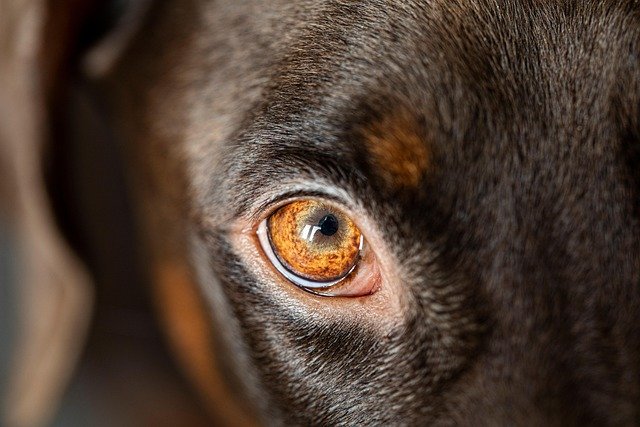
First, what does an “eye infection” usually look like
Most owners come in saying “infection” long before I use that word. They usually notice redness, watering, pawing at the eye, or yellow-green discharge. Sometimes the dog squints or keeps its eye closed. In my experience, what owners call infection often turns out to be:
- irritation from dust or pollen
- scratched cornea from rough play
- clogged tear ducts
- allergies
- actual bacterial infection
- something stuck under the eyelid
I mention this because not every red eye benefits from the same care. That’s also why I’m cautious recommending anything harsh at home.
What I do recommend as home remedies for mild irritation or very early discharge
The one thing I trust owners to do safely at home is gentle cleaning and flushing.
I’ve sent many clients home with the same advice I’d give my own family members and their dogs:
Start with sterile saline, the same plain saline sold for human eye irrigation. Not contact lens cleaners with additives — just sterile eye wash. I’ve used this countless times in exam rooms to flush dust, plant bits, or dried discharge off the eye. At home, a steady stream works better than eye drops. Let the saline roll across the surface and out of the corner of the eye. Please don’t press the bottle tip directly onto the eye.
Several springs ago, a client brought in a spaniel after a long day in tall grass. The dog’s eyes were red and watery, and they were convinced infection was setting in. After a simple flush, half the redness disappeared right on the table. No prescription was needed — just cleaning out debris and using saline at home for two more days.
After flushing, I tell owners to gently wipe away softened discharge with clean gauze or a damp cotton pad—one pad per eye. I’ve seen plenty of infections spread from one eye to the other because someone used the same rag across both.
Another thing I recommend at home is warm compresses. A warm (not hot) cloth held over the closed eye for a minute or two can loosen discharge and ease mild swelling. I learned this trick early in my career from an older vet who treated countless farm dogs long before fancy products existed. It’s still one of the simplest things that works.
If there’s mild itchiness without colored discharge, environmental allergies are often the culprit. I’ve had many dogs each spring who looked “infected” but had clear, watery eyes and red rims—flushing and wiping helped more than any medication in those cases.
Things I routinely see go wrong with “home cures.”
I’ve lost count of how many dogs I’ve seen after owners tried internet remedies like herbal teas, breast milk, or essential oils in the eye. I’ve also had to treat ulcers caused by people using old antibiotic drops from another pet.
A situation that stays with me involved a middle-aged Labrador. The owner put undiluted apple cider vinegar near the eyelids because they’d read it “kills bacteria.” By the next day, the dog had a deep corneal ulcer and was in severe pain. We saved the eye, but it took weeks.
If I could stop just three things from ever being used in dog eyes at home, they would be:
- essential oils
- vinegar or lemon juice mixtures
- human redness-relief drops
Those aren’t harmless experiments; I’ve seen the outcomes firsthand.
Honey and herbal suggestions — my honest opinion
People often ask me about manuka honey or chamomile. I understand why: they sound natural and gentle.
Here’s my position shaped by time in the exam room:
- Honey absolutely has antibacterial properties, and I do use medical-grade sterile honey in wound care. But kitchen honey is not sterile. I would not put it in a dog’s eye.
- Chamomile tea compresses around the eye can be soothing, but tea bags directly touching the eye or liquid dripped into it can introduce contaminants.
So my advice is simple: around the eye is one thing; in the eye is another. When you aren’t sure, please don’t put it inside the eye.
When a “home remedy” is the wrong path entirely
There are situations where I tell owners, very directly, to stop trying home care and come in.
Seek veterinary care urgently if you see:
- squinting or keeping the eye shut
- blue, gray, or cloudy surface
- obvious injury or scratch
- thick yellow or green discharge
- swelling of the eye itself
- vision changes or bumping into things
- a bulging eye
One of the earliest cases in my career involved a bulldog whose owner waited several days because warm compresses “seemed to help.” What they thought was a mild infection turned out to be glaucoma—waiting cost the dog vision in that eye. Since then, I’ve been very clear with people: painful or rapidly worsening eye problems are not home-treatment conditions.

What you can safely do while you arrange a vet visit
If you’re watching your dog squint and searching for answers late at night, here’s what I actually tell my own clients to do easily and safely:
Keep the eye clean with saline.
Prevent rubbing by trimming long hair around the eye and using an Elizabethan collar if needed.
Avoid dust, smoke, or windy rides with their head out the car window.
Do not use leftover prescription drops or “something that helped last year.”
Those small steps often prevent a minor irritation from becoming an actual infection.
My bottom line after years in practice
Yes, there are helpful home remedies — but they are supportive care, not cures for true eye infections. Flushing, wiping discharge, and warm compresses can make a big difference, especially when you catch irritation early.
But real infections, ulcers, and injuries require medication selected after a thorough examination of the eye surface. I’ve spent too many exams treating dogs whose eyes were damaged by well-intentioned but misguided advice to say otherwise.
If your dog’s eye looks mildly irritated, gentle cleaning and brief observation make sense. If your gut tells you your dog is in pain, trust that instinct. Eyes don’t give second chances.