
Many garden plants look beautiful but can pose serious risks to pets. Foxgloves are one such plant that often grows in gardens due to their tall, colorful flowers. Cats, being curious animals, may sniff or chew on these plants. Understanding the risks linked to foxgloves can help protect your pet from harm.
What Are Foxgloves and Why Are Cats Drawn to Them
Foxgloves are flowering plants known for their tall spikes and bell-shaped blooms. They can grow to 2-5 feet tall and come in colors such as purple, pink, and white. These flowers are commonly found in gardens and parks. Their shape and movement can attract a cat’s attention.
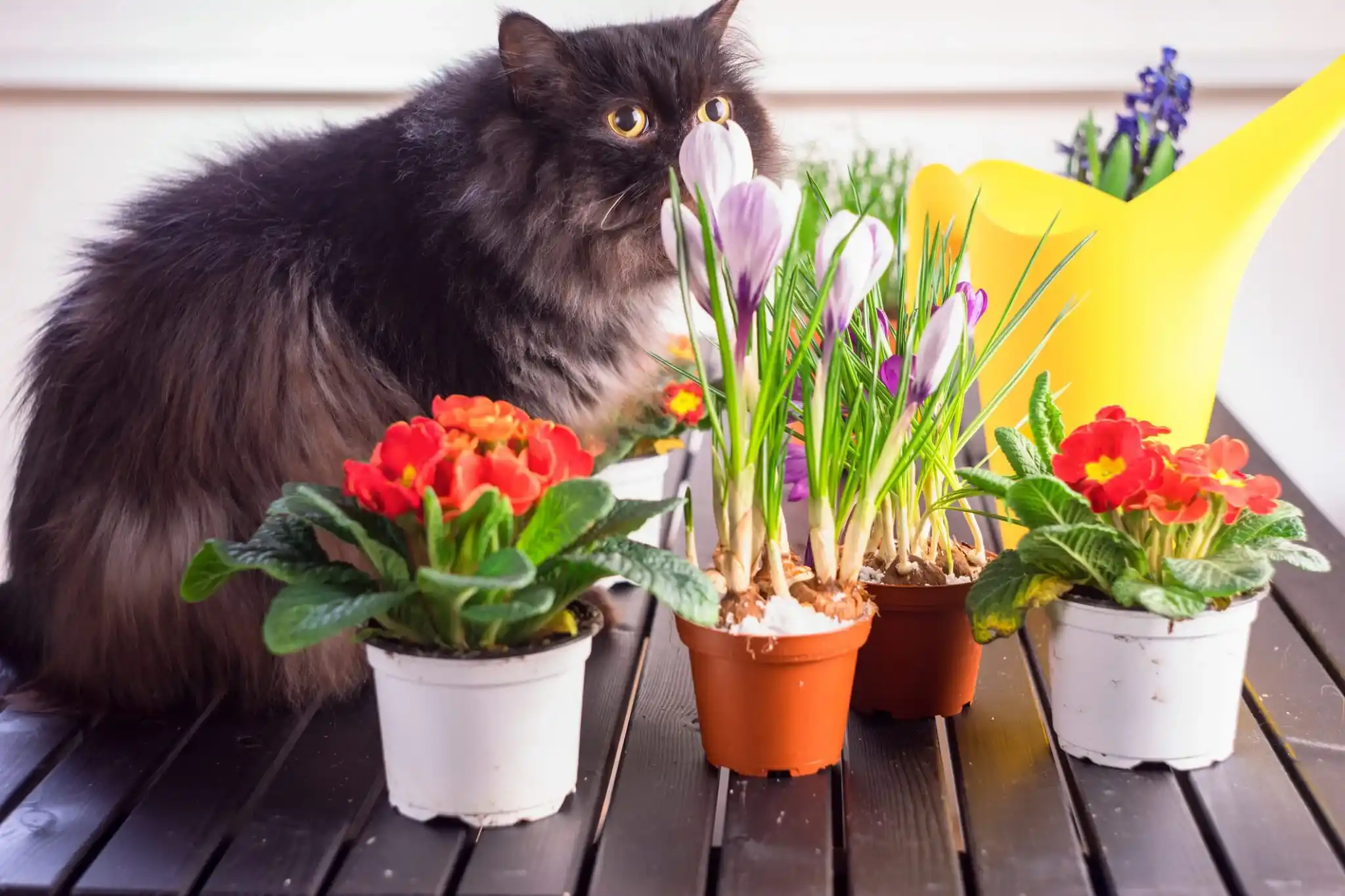
Cats often explore their surroundings using their mouths. Leaves, stems, and flowers may seem like toys to them. Younger cats, especially those under 12 months old, are more likely to chew on plants out of curiosity. This behavior increases the risk of exposure.
Even indoor cats are at risk if foxgloves are kept as decorative plants. A single bite can cause problems. That is why plant selection matters for pet owners.
Are Foxgloves Dangerous for Cats
Many veterinary sources clearly state that foxgloves are toxic to cats and highly poisonous. Foxgloves contain cardiac glycosides, which affect the heart. Even a small amount can lead to serious health issues.
Foxglove toxins interfere with heart function, causing irregular heartbeats and other dangerous symptoms, even with small exposure.
All parts of the plant are toxic, including leaves, flowers, and seeds. Dried parts are also dangerous. This makes foxgloves a high-risk plant for homes with cats.
Symptoms of Foxglove Poisoning in Cats
Signs of poisoning may appear within a few hours. Vomiting is often one of the first symptoms. Cats may also show drooling or loss of appetite. These early signs should not be ignored.
More serious symptoms include irregular heartbeat, weakness, and confusion. A cat may appear unsteady or struggle to move normally. In severe cases, seizures can occur, which require urgent medical attention and can become life-threatening if not treated quickly.
Heart-related symptoms are especially dangerous. Slow or rapid heart rates can lead to collapse. This condition can worsen quickly. Immediate care is critical.
What to Do If Your Cat Eats Foxglove
Act quickly. Remove any plant material from your cat’s mouth if possible. Keep your cat calm and prevent further exposure. Quick action can help reduce symptom severity.
Contact a veterinarian immediately. Do not wait for symptoms to appear, as early treatment can improve the chances of recovery and reduce complications that may affect the heart or other organs. Time matters a lot.
Do not try home remedies without advice. Professional care is necessary in most cases of foxglove exposure. Treatment may include medication and monitoring of heart function. Follow instructions carefully.
Here are a few important steps to remember:
- Remove access to the plant right away.
- Call a veterinarian without delay.
- Observe your cat for any symptoms.
- Avoid giving food or medicine without guidance.
How to Prevent Plant Poisoning in Cats
Prevention starts with awareness. Avoid planting foxgloves in areas where your cat can roam freely. If you already have them, consider removing them or fencing off the area. Small changes can reduce risk.
Choose pet-safe plants for your home and garden. There are many non-toxic options that still provide beauty. Research before buying any new plant. This step can save trouble later.
Supervision also helps. Keep an eye on your cat when they are outdoors or near new plants. Training and safe deterrents can reduce plant chewing behavior. Consistency is important.
Foxgloves are highly toxic plants that can cause serious harm to cats even in small amounts. Taking steps to remove or avoid these plants and staying alert to symptoms can protect your pet’s health and prevent dangerous situations in your home or garden.