
Many people instinctively reach out to pat a dog on the head as a sign of affection. It seems natural and friendly from a human perspective. Yet dogs do not always react the way we expect. Some enjoy it, while others may feel uncomfortable or even stressed by this action.
How Dogs Interpret Human Touch
Dogs experience the world differently from humans. Touch plays a big role in how they communicate and understand others. While humans use hands to show affection, dogs rely more on body language and scent. This difference can lead to mixed signals.
When a hand comes from above, it may feel threatening to some dogs. In the wild, a dominant animal might place pressure on another’s head or neck. This instinct can still influence how dogs react today. Not all dogs feel relaxed during head pats.
Friendly touch is still important. Dogs enjoy physical contact, but the type and location matter a lot. Areas like the chest, shoulders, and sides are often preferred. These spots feel safer.
Each dog has its own comfort level. A dog raised in a calm environment may accept head pats more easily. Another dog with less social experience may pull away. It depends on the individual.
Why Some Dogs Avoid Head Pats
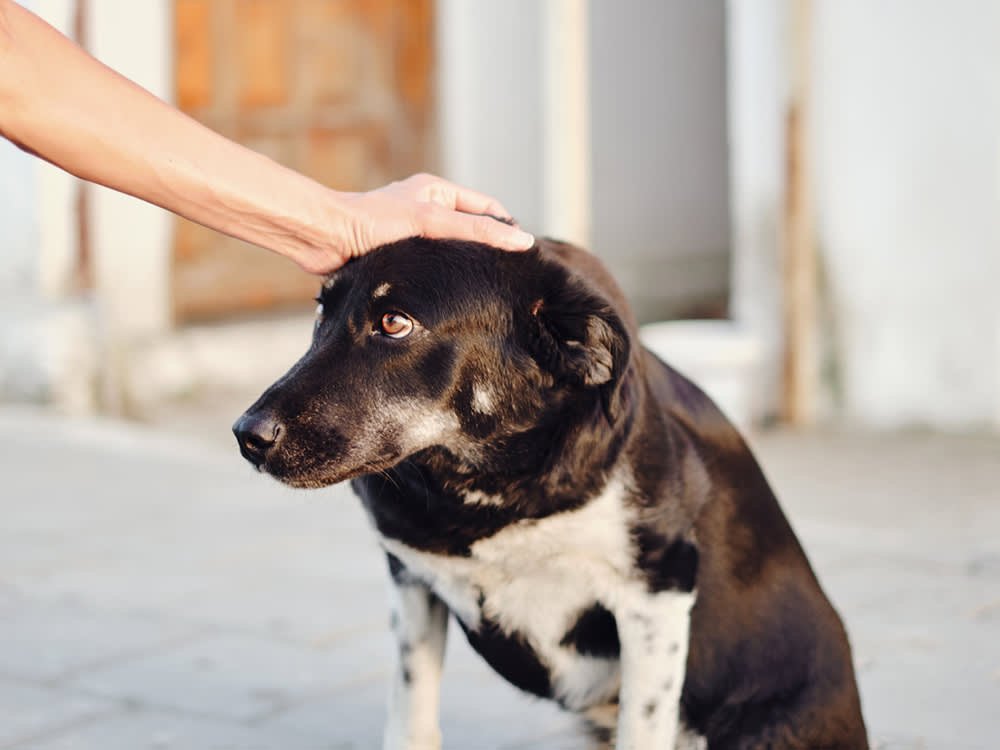
Not all dogs dislike head pats, but many show subtle signs of discomfort. They may lower their head, step back, or turn away. These are gentle signals that the dog is not enjoying the interaction. Owners should pay attention.
If you want to understand these reactions better, this guide on do dogs like head pats explains why some dogs duck or move away when someone reaches for their head.
Fear is a common reason. Dogs that have had negative experiences may associate overhead movements with punishment or danger. This memory can stay with them for a long time. Trust builds slowly.
Size and height also play a role. When a person stands over a small dog and reaches down, it can feel overwhelming. The dog may feel trapped or unsure of what will happen next. This creates tension.
Even friendly dogs can have off days. A dog that usually enjoys touch may avoid it when tired or stressed. Mood matters. Respect their space.
Signs That a Dog Enjoys or Dislikes It
Understanding body language helps you know how your dog feels about head pats. Dogs communicate clearly if you watch closely. Small signals can reveal a lot about their comfort level. Observation is key.
A dog that enjoys head pats may lean into your hand. Their body will appear relaxed, and their tail may wag gently. Some dogs even close their eyes. This shows trust and comfort.
On the other hand, a dog that dislikes it may freeze or stiffen. They might lick their lips or yawn suddenly. These are signs of stress, not tiredness. Recognizing them early helps prevent problems.
Here are a few common signals to watch for:
– Leaning in and staying close.
– Relaxed ears and soft eyes.
– Tail wagging slowly.
– Pulling away or stepping back.
– Turning the head away quickly.
Short reactions matter. A quick flinch can tell you a lot.
Better Ways to Show Affection
If a dog does not enjoy head pats, there are many other ways to show affection. Gentle strokes along the side of the body are often more comfortable. Many dogs prefer this approach. It feels less threatening.
Scratching under the chin or on the chest is another good option. These areas are easier for the dog to see, which makes the interaction feel safer. Visibility builds trust.
Timing also matters. Approach a dog when it is calm and relaxed, not when it is eating or sleeping. Interrupting these moments can cause discomfort. Choose the right time.
Let the dog come to you first. When a dog approaches and seeks contact, it is more likely to enjoy the interaction. This creates a positive experience. It feels natural.
Respecting boundaries is important. A dog that feels safe and understood will form a stronger bond with its owner over time, and that bond grows through consistent, gentle interactions.
Training Dogs to Accept Head Pats
Some dogs can learn to accept head pats through gradual training. Start by building trust with other types of touch. Use areas where the dog already feels comfortable. This creates a positive base.
Introduce head contact slowly. Begin by placing your hand near the head without touching it. Reward calm behavior with treats or praise. Progress step by step.
Keep sessions short, around 5 to 10 minutes. Long sessions can overwhelm the dog. Patience is essential. Rushing the process can cause setbacks.
Use a calm voice and gentle movements. Sudden actions can scare the dog. Smooth, predictable behavior helps them feel secure. Consistency matters here.
Not every dog will fully enjoy head pats, even with training. That is okay. Respecting their preference is part of responsible pet care. Comfort should always come first.
To summarize, understand your dog’s body language when giving head pats. Offer affection in ways and areas they find comfortable. Let your dog set the pace for touch. Always respect their space and preferences. This leads to a happier relationship and stronger bond.