
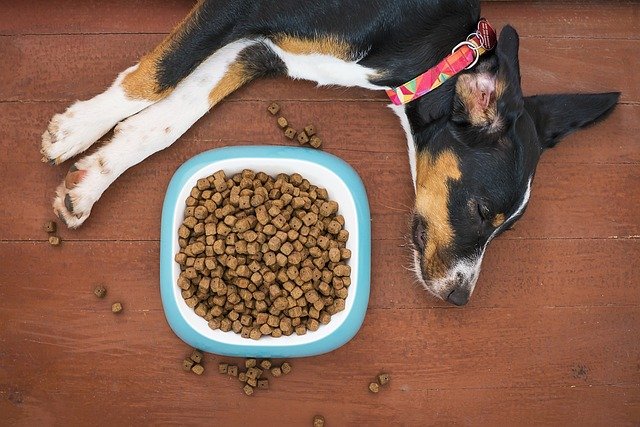
Feeding a dog is more than filling a bowl. The right portion affects health and longevity, while imbalanced feeding can lead to problems. Knowing what influences a dog’s needs allows for safe, informed decisions.
Factors That Influence Food Requirements
A dog’s nutritional needs vary widely based on several interrelated factors:
- Size and Weight: Larger breeds need more calories than smaller breeds. However, they burn calories more slowly, so they do not always need much more food. Overfeeding a small dog can cause obesity. Underfeeding a large dog can lead to nutrient deficiencies.
- Age: Puppies and young dogs need more energy for growth. Adult dogs need calories to maintain their weight. Senior dogs do best with fewer calories and food that is easier to digest.
- Activity Level: Active dogs burn more calories. Less active dogs need less food. Match energy needs to prevent weight gain or fatigue.
- Health Status: Dogs with medical conditions such as diabetes, kidney disease, or gastrointestinal sensitivities may require specialized diets and precise portion control.
- Food Type: Kibble, wet food, raw, or home-cooked meals have different calorie levels. Measuring only by volume can mislead; check calories per serving as a better guide.
Risks of Overfeeding and Underfeeding
Feeding too much or too little food carries clear health risks:
- Overfeeding: This can cause obesity. Obesity increases joint problems, heart disease, and diabetes, and lowers lifespan. Even a few extra calories each day add up over time.
- Underfeeding: This can lead to nutrient deficiencies and poor growth in puppies. It may lower energy and weaken immunity. Hungry dogs may develop behavior problems.
Body condition shows better health than portion size. A healthy dog should have a visible waist from above. You should be able to feel the ribs without thick fat over them.
Common Misunderstandings
Some frequent misconceptions can lead to inappropriate feeding:
- “More is better”: Extra food will not improve energy or coat health. It usually causes obesity.
- “Dogs should clean their bowl.” Finishing a meal is not a sign that a dog needs more. Portion sizes should be based on nutritional requirements, not appetite.
- “Free-feeding works for all dogs”: Leaving food out all day can cause overeating. This is risky for breeds prone to obesity. Measured meals are safer and easier to track.
Safe Feeding Practices
Owners can ensure proper nutrition by focusing on structure, measurement, and observation:
- Use feeding guidelines to start. Dog food labels suggest amounts by weight and age. Adjust slowly based on your dog’s condition.
- Monitor body condition regularly: Weekly checks of weight, waistline, and rib coverage help identify whether portions need adjustment.
- Divide meals: Splitting food into two or three daily servings can improve digestion and prevent hunger-driven behaviors.
- Track changes in exercise or health. More activity or sickness may mean you need to change portions or calories.
Conclusion
To determine how much food a dog needs, consider its size, age, activity level, health, and the type of food. Avoid overfeeding and underfeeding to protect long-term health.
Monitor food intake closely to meet energy needs without excess. Use body condition to guide consistent, measured feeding and help owners make responsible choices.